
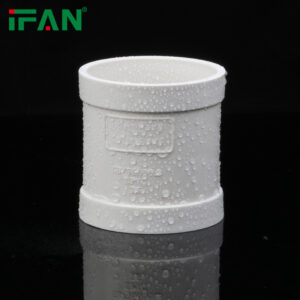
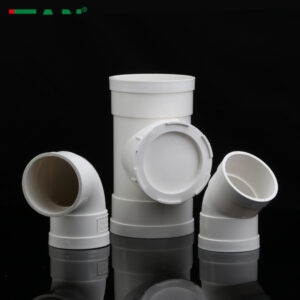
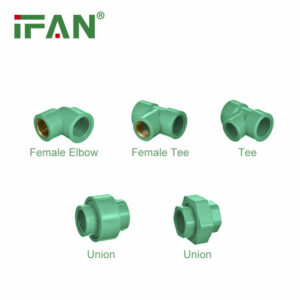
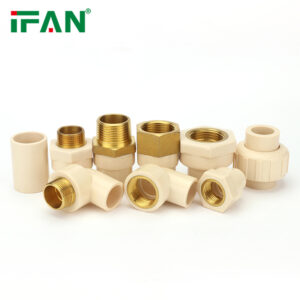





IFAN CPVC threaded fittings ASTM2846
Description
Understanding CPVC Pipe Fittings: Benefits and Applications
CPVC pipe fittings have become an essential part of modern plumbing systems, particularly for handling hot water, chemicals, and high-pressure applications. Known for their durability and reliability, CPVC (Chlorinated Polyvinyl Chloride) pipe fittings offer significant advantages over other materials, such as PVC or metal fittings. In this article, we will dive into the benefits, applications, and practical considerations for using CPVC pipe fittings in various systems.
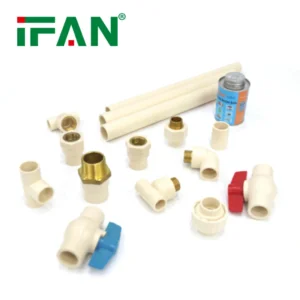
What Are CPVC Pipe Fittings?
CPVC pipe fittings are made from a type of thermoplastic polymer that is created by chlorinating PVC resin. This modification enhances the properties of standard PVC, allowing it to tolerate higher temperatures and increased chemical resistance. CPVC fittings are widely used in residential, commercial, and industrial plumbing systems, offering superior performance compared to other materials such as copper, iron, or standard PVC.
Key Benefits of CPVC Pipe Fittings
1. Excellent Heat Resistance
One of the standout features of CPVC pipe fittings is their ability to withstand higher temperatures than traditional PVC. CPVC is rated to handle hot water temperatures up to 200°F (93°C), making it a perfect choice for hot water distribution systems. In comparison, standard PVC can only handle temperatures up to 140°F (60°C). This heat resistance makes CPVC an ideal material for both residential and commercial plumbing systems that require hot water.
2. Superior Corrosion Resistance
CPVC fittings are highly resistant to corrosion, which is a common problem with metal pipes, especially in areas with hard water or aggressive chemicals. Unlike metals, CPVC will not rust, scale, or corrode, ensuring a longer lifespan for the plumbing system. This resistance to corrosion makes CPVC an excellent choice for applications involving chemicals, acids, or alkalis.
3. Durability and Longevity
CPVC pipe fittings are known for their durability. They are less prone to cracking or breaking under pressure compared to materials like PVC or copper. CPVC is also resistant to UV damage, making it suitable for both indoor and outdoor applications, though UV protection may still be required for extended outdoor exposure.
4. Ease of Installation
One of the primary advantages of CPVC pipe fittings is their ease of installation. Unlike metal piping systems that require welding or threading, CPVC pipes and fittings can be easily joined using solvent cement. This quick and simple installation method reduces labor costs and installation time. CPVC is also lightweight, making it easier to handle and transport, which further reduces installation complexity.
5. Cost-Effectiveness
While CPVC may be more expensive than traditional PVC pipe fittings, it is more affordable than metal options like copper. Additionally, the long-term benefits of CPVC, including its durability, low maintenance, and resistance to corrosion, make it a cost-effective solution over the lifespan of the system. Reduced maintenance and repair costs also contribute to its overall affordability.
Applications of CPVC Pipe Fittings
1. Residential Plumbing
In residential plumbing systems, CPVC pipe fittings are often used for hot and cold water distribution. The ability to handle high temperatures makes CPVC ideal for residential hot water systems, ensuring a consistent supply of hot water without the risk of material degradation. CPVC is also used for cold water lines, providing a reliable and durable solution for all types of residential plumbing needs.
2. Commercial and Industrial Plumbing
CPVC pipe fittings are widely used in commercial and industrial plumbing applications, especially for systems that transport hot water or chemicals. In industries such as food processing, pharmaceuticals, and chemical manufacturing, CPVC offers exceptional resistance to the corrosive effects of harsh chemicals, acids, and alkalis. Its high-temperature tolerance also makes it suitable for industrial boilers and steam systems.
3. Chemical Processing Systems
CPVC’s resistance to chemicals makes it an ideal material for use in chemical processing systems. Whether transporting acids, bases, or other aggressive chemicals, CPVC pipe fittings can withstand the harsh conditions that would cause other materials to degrade. This ability to resist corrosion and chemical attack extends the life of the system and ensures safe operation.
4. Fire Sprinkler Systems
In both residential and commercial buildings, CPVC pipe fittings are used in fire sprinkler systems. CPVC is rated for high-temperature environments, making it a safe and reliable option for fire protection systems. Additionally, CPVC fittings are lightweight and easy to install, which helps to reduce both installation time and costs in fire sprinkler systems.
5. Water Treatment Systems
CPVC pipe fittings are also used in water treatment facilities where high-pressure and chemical resistance are essential. Whether transporting potable or non-potable water, CPVC offers a reliable and durable solution that ensures the system operates smoothly without risk of failure due to corrosion or heat damage.
Conclusion
CPVC pipe fittings are a versatile, durable, and cost-effective solution for a wide range of plumbing applications. From residential plumbing to industrial chemical processing systems, CPVC offers significant advantages in terms of heat resistance, corrosion resistance, and long-term durability. Its ease of installation and low maintenance make it a preferred choice for both new installations and repairs.
Choosing CPVC pipe fittings for your plumbing needs ensures reliable performance under demanding conditions. With their wide range of applications, CPVC pipe fittings provide peace of mind and long-lasting functionality.
FAQs
- What is the difference between CPVC and PVC pipe fittings?
CPVC pipe fittings can withstand higher temperatures and pressures than PVC. CPVC is suitable for hot water systems, whereas PVC is generally used for cold water applications. - Are CPVC pipe fittings safe for drinking water?
Yes, CPVC pipe fittings are NSF (National Sanitation Foundation) certified for use in potable water systems. They are safe for drinking water applications. - Can CPVC pipe fittings be used outdoors?
While CPVC is UV-resistant, prolonged exposure to direct sunlight can cause it to degrade over time. It is recommended to bury CPVC pipes or use UV-resistant coatings for outdoor applications. - How long do CPVC pipe fittings last?
CPVC pipe fittings have a long lifespan, typically lasting 25-50 years or more with proper installation and maintenance. - How do you install CPVC pipe fittings?
CPVC pipe fittings are installed by applying solvent cement to both the pipe and the fitting, then joining them together. This creates a strong, watertight bond that holds under pressure.
- What is the difference between CPVC and PVC pipe fittings?
Connect
IFAN factory started in 1993. And IFAN has workshop 120000 square meter with 610 staff. IFAN can design and produce all plumbing pipe and fitting include PPR,PVC,CPVC PPSU HDPE PEXA PEXB PERT pipe and fitting ,brass fitting, brass ball valve ,heating system , gas system , sanitary faucets and hose, In the past 30 Years, IFAN has never forgotten his mission-To protect health and safety. And IFAN factory use best materials to produce high quality pipe and fittings with automatic production line and high tech quality control machines. The most important,IFAN can guarantee that all pipes and fittings manufactured by IFAN are qualified. More information pls feel free contact us Whatsapp.
Related products
 CPVC SCH80
PVC Drain Water Fitting Socket
- CPVC ASTM2846
IFAN CPVC Fittings