HDPE Ball Valves: Structure, Working Principle & Key Features
Introduction
HDPE ball valves are widely used in various industries, particularly in chemical transport, water supply systems, and industrial applications. These valves are known for their durability, corrosion resistance, and leak-proof functionality, ensuring smooth operation and long-term reliability. As a result, industries prefer them for efficient and cost-effective solutions in fluid control systems.
This article explores the structure, working principle, and key features of HDPE ball valves, explaining why these valves excel in demanding systems.
1. Structure of HDPE Ball Valves
The structure of an HDPE ball valve is simple yet highly efficient, designed for easy operation and superior durability in harsh environments.
Main Components:
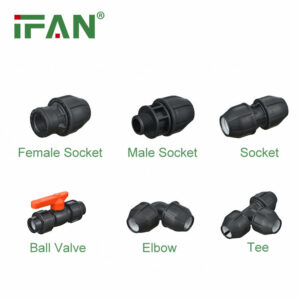
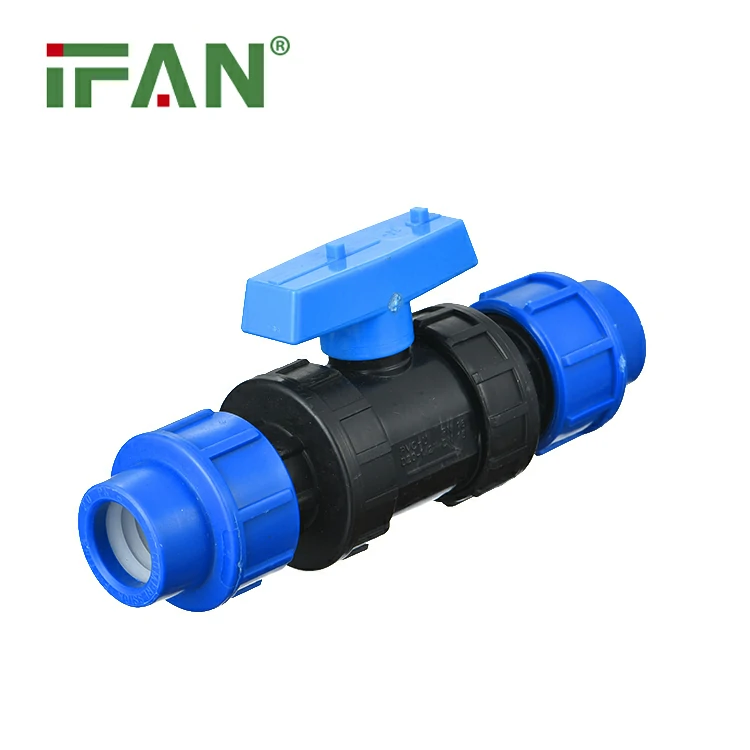
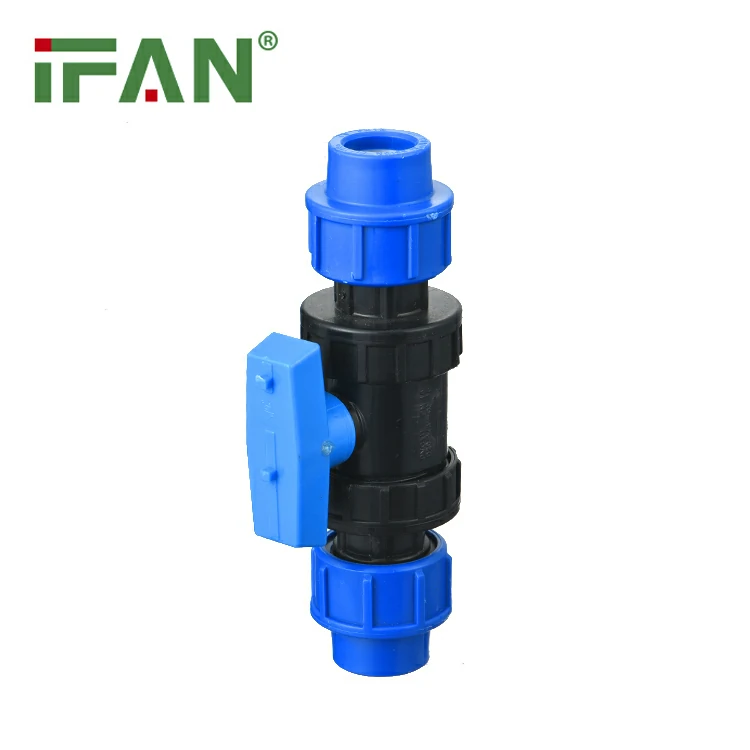
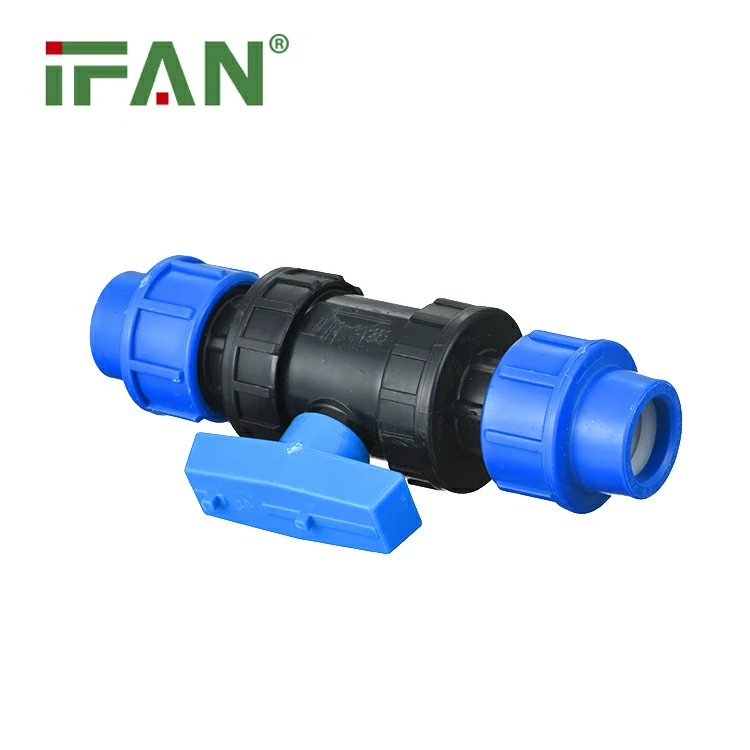
1️⃣ Body: The body is made from high-density polyethylene (HDPE), providing corrosion resistance, lightweight properties, and excellent durability.
2️⃣ Ball: The hollow, spherical ball controls the fluid flow through the valve.
3️⃣ Stem: The stem connects the ball to the valve handle or actuator. It rotates the ball to open or close the valve.
4️⃣ Seals: O-rings or sealing gaskets prevent leaks around the valve.
5️⃣ Handle or Actuator: The manual handle allows for easy valve operation, while actuators are used in automated systems.
Overall, the design of HDPE ball valves makes them highly effective under high-pressure and high-temperature conditions, offering leak-proof performance.
2. Working Principle of HDPE Ball Valves
The working principle of an HDPE ball valve relies on the rotation of a hollow ball inside the valve body. The ball has a hole or port that aligns with the pipeline when the valve is open and perpendicular to the flow path when the valve is closed.
Valve Operation:
1️⃣ Opening the Valve: When you rotate the handle, the stem moves the ball, aligning the hole with the pipeline to allow fluid to pass through the valve.
2️⃣ Closing the Valve: Rotating the handle in the opposite direction moves the ball perpendicular to the flow, blocking the fluid from passing.
3️⃣ Partial Opening: For partial flow control, you can position the valve at an intermediate angle, allowing fluid to flow through partially, which is especially useful for regulating fluid flow.
In conclusion, this simple mechanism allows HDPE ball valves to provide on/off control and flow regulation efficiently.
3. Key Features of HDPE Ball Valves
1. Corrosion Resistance
HDPE material naturally resists corrosion, enabling the valve to perform excellently in chemical transport systems, water supply, and other environments where rust is a concern.
Benefit: Ideal for handling aggressive fluids, such as acids, solvents, and bases, making it the preferred choice for chemical processing.
2. Leak-Proof Design
HDPE ball valves feature high-quality seals that prevent leaks. The tight ball seal ensures that the valve remains secure even under high-pressure conditions.
Benefit: Zero leakage ensures safety and efficiency in critical applications.
3. Lightweight and Easy to Install
Unlike metal valves, HDPE ball valves are lightweight, making them easy to handle, transport, and install.
Benefit: They reduce installation costs and simplify manual handling.
4. High Durability
HDPE valves withstand mechanical stress and abrasive fluids, offering long service life even in harsh environments.
Benefit: Reduced downtime and maintenance costs.
5. Temperature and Pressure Resistance
HDPE ball valves are suitable for high-pressure and moderate-temperature applications, withstanding temperatures from -40°C to 90°C and pressures up to 10 bar.
Benefit: Reliable performance in a variety of industrial applications.
6. UV Resistance
HDPE material is UV-stabilized, so you can use these valves outdoors where they may be exposed to sunlight for long periods.
Benefit: Longer lifespan in outdoor conditions.
7. Cost-Effective Solution
Compared to metal valves, HDPE ball valves provide a more economical solution without sacrificing performance or reliability.
Benefit: Lower overall project costs and excellent value for money.
4. Applications of HDPE Ball Valves
HDPE ball valves excel in various applications due to their versatility and durability. Some common uses include:
1️⃣ Water Treatment Systems: For regulating water flow in municipal and industrial plants.
2️⃣ Chemical Transport: Essential for controlling the flow of chemicals in piping systems.
3️⃣ Agricultural Irrigation: Used to manage water flow in irrigation systems.
4️⃣ Mining and Oil: Perfect for regulating fluids in mining or oil extraction systems.
5️⃣ Food and Beverage: Suitable for food-grade piping systems that require high sanitary standards.
Conclusion
HDPE ball valves are versatile, durable, and cost-effective, making them a top choice for chemical transport systems, water supply, and more. Their simple design, corrosion resistance, and leak-proof performance guarantee long-lasting reliability.
Their lightweight construction and ability to withstand high pressure and moderate temperatures ensure excellent performance in a variety of industrial applications. Whether you need a solution for water treatment, chemical handling, or irrigation, HDPE ball valves offer a reliable and efficient choice for your needs.
IFAN factory started in 1993. And IFAN has workshop 120000 square meter with 610 staff. IFAN can design and produce all plumbing pipe and fitting include PPR,PVC,CPVC PPSU HDPE PEXA PEXB PERT pipe and fitting ,brass fitting, brass ball valve ,heating system , gas system , sanitary faucets and hose, In the past 30 Years, IFAN has never forgotten his mission-To protect health and safety. And IFAN factory use best materials to produce high quality pipe and fittings with automatic production line and high tech quality control machines. The most important,IFAN can guarantee that all pipes and fittings manufactured by IFAN are qualified. More information pls feel free contact us Whatsapp.
Related products
 HDPE pipe
IFAN Black HDPE Pipe
- PP Fitting 603
IFAN HDPE 603
- PP Fitting 601
IFAN HDPE Pipe Fittings
- PP Fitting 601
IFAN HDPE Pipe Fitting