




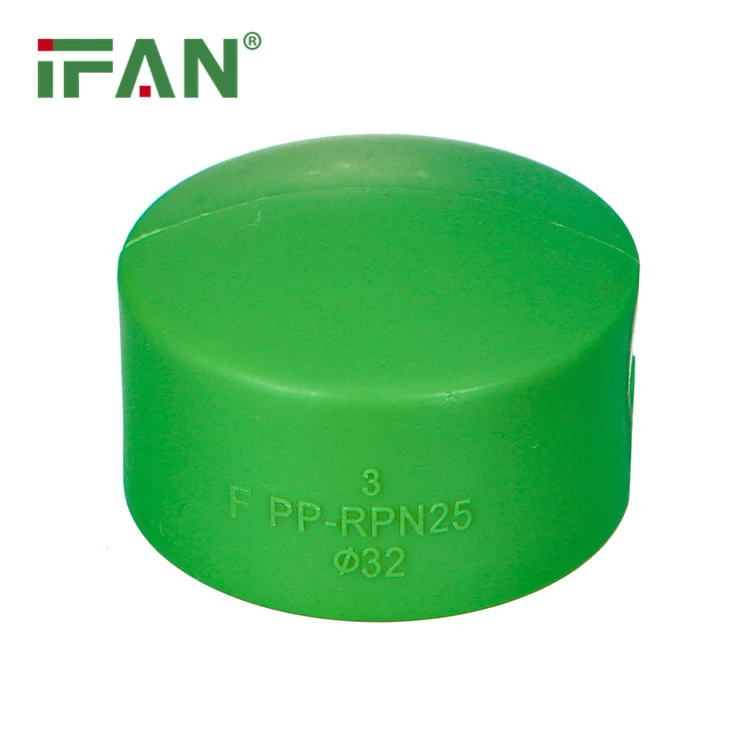
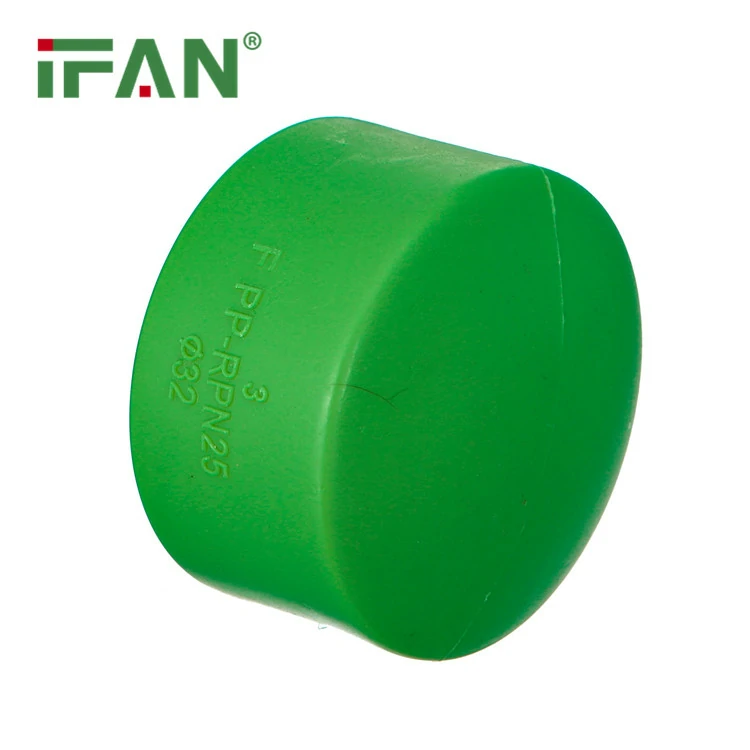
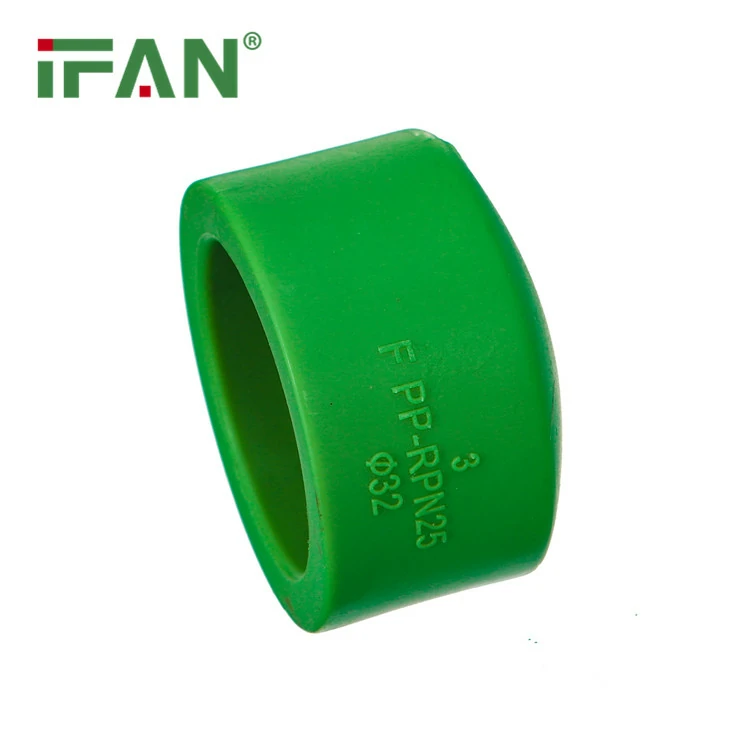
IFAN EN 15874 High Pressure Plumbing Systems PPR Cap
Description
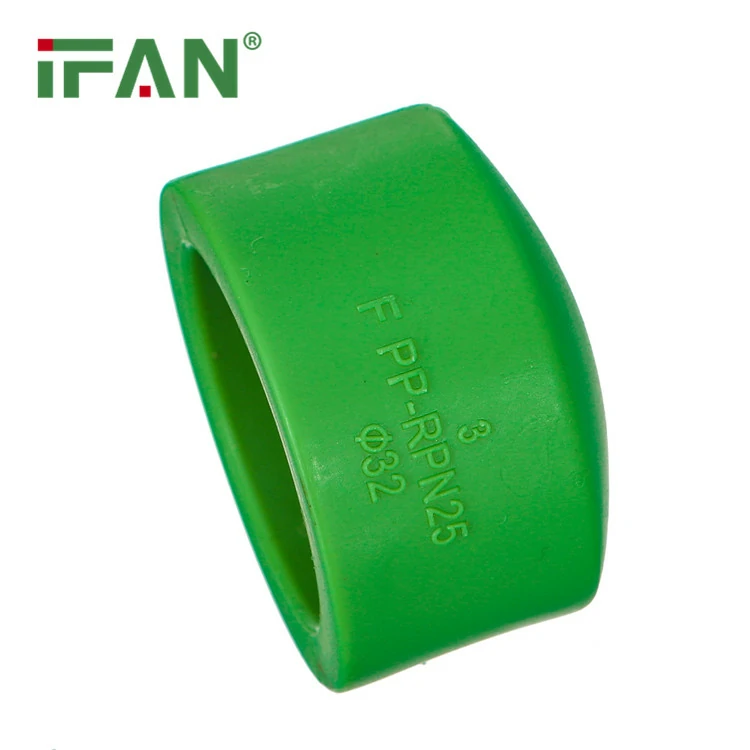
PPR Cap: Essential Component for Plumbing Systems
Introduction
In modern plumbing systems, ensuring the integrity and efficiency of connections is crucial. One key component that plays a vital role in securing the ends of pipes is the PPR cap. Made from Polypropylene Random Copolymer (PPR), a versatile and durable thermoplastic, PPR caps are designed to seal the open ends of pipes, preventing leaks, contamination, and damage. In this article, we will explore the structure, benefits, and applications of PPR caps, showcasing why they are indispensable in plumbing systems.
What is a PPR Cap?
A PPR cap is a fitting used to close the ends of PPR pipes. It provides a protective seal, ensuring that the pipe remains intact and free from external elements. These caps are available in various sizes and can easily match the diameter of different PPR pipes. Moreover, PPR caps can be installed using heat fusion welding, creating a strong and reliable connection. As a result, they ensure a seamless and leak-proof closure.
Key Features of PPR Caps
1. Corrosion Resistance
One of the main advantages of PPR caps is their corrosion resistance. Unlike metal caps, which can rust over time, PPR caps are immune to water, moisture, and most chemicals. This property makes them highly reliable in maintaining the integrity of plumbing systems. Therefore, they offer durability and longevity, especially in environments exposed to constant water or chemicals.
2. Leak-Proof Seal
When installed correctly, PPR caps offer a tight, leak-proof seal. This feature ensures that water or other fluids remain contained within the pipes, preventing unwanted leakage or pressure loss. Consequently, your plumbing system stays efficient and secure, contributing to a better long-term performance.
3. Durability
Another key benefit of PPR caps is their long-lasting durability. Made from robust PPR material, these caps can withstand high pressure and fluctuating temperatures. As a result, they are ideal for both hot and cold water systems, contributing to the longevity of the entire plumbing system. In addition, their strong construction helps minimize the chances of frequent replacements.
4. Lightweight and Easy to Handle
Unlike metal caps, PPR caps are lightweight, which makes them easier to handle and install. The reduced weight also benefits large-scale installations or systems with limited space. Thus, the handling process becomes more efficient, reducing labor time and effort.
5. Easy Installation
Installing PPR caps is straightforward. Using heat fusion welding, the cap is fused to the end of the pipe. This welding method ensures a seamless, strong bond between the pipe and the cap without the need for additional tools or materials. Therefore, the installation process is quick and easy, saving time and resources.
Benefits of Using PPR Caps
Long-Term Performance: The corrosion-resistant and durable nature of PPR caps ensures long-term performance, reducing the need for frequent replacements.
Cost-Effective: PPR caps are affordable and provide excellent value for money, especially for large plumbing projects requiring multiple caps.
Reduced Maintenance: Thanks to their reliable seal and resistance to wear and tear, PPR caps contribute to reduced maintenance needs, making them a cost-efficient choice for plumbing systems.
Environmentally Friendly: PPR caps are made from recyclable material, making them an eco-friendly option in plumbing applications.
Applications of PPR Caps
1. Residential Plumbing Systems
In residential plumbing, PPR caps are commonly used to seal unused pipe ends, such as in systems with a provision for future expansion or temporary shutdown. By preventing contamination, they ensure the long-term efficiency of the plumbing system. Moreover, they are a practical solution for homeowners looking to safeguard their pipes from damage.
2. Commercial Plumbing Systems
In commercial buildings, PPR caps can be used to close off pipes that are no longer in use, creating a sealed and clean environment within the system. They are especially useful in water supply systems or HVAC systems. As a result, these caps enhance the safety and hygiene of the system.
3. Industrial Applications
PPR caps are ideal for industrial settings where exposure to high pressures, chemicals, and temperatures is common. Their resistance to corrosion and high temperatures makes them perfect for demanding industrial environments. Furthermore, their durability ensures they can handle harsh conditions over extended periods.
4. Irrigation Systems
In agricultural applications, PPR caps are also used to seal pipe ends in irrigation systems. By preventing leakage, they ensure efficient water flow, contributing to better crop yields and sustainable water management. Thus, they play a crucial role in promoting efficient irrigation practices.
How to Install a PPR Cap
Step 1: Prepare the Pipe and Cap
Before installation, make sure both the pipe and the PPR cap are clean and smooth. The pipe end should be free from debris, dust, or moisture to ensure a secure fit. Additionally, ensure that the cap is also free from imperfections.
Step 2: Heat Fusion
Using a heat fusion machine, heat both the pipe and cap until they reach the appropriate temperature. This softens the materials and prepares them for bonding. This process ensures a strong and reliable fusion once the pieces are connected.
Step 3: Attach the Cap
After heating, quickly place the cap onto the pipe end. Hold the pieces together for a few seconds to allow the fusion process to complete. During this time, ensure the components are aligned properly to achieve a tight fit.
Step 4: Cool and Inspect
Let the fusion joint cool down. Once cooled, inspect the connection for any signs of improper fusion or leakage. If necessary, conduct a pressure test to ensure the seal is intact.
Conclusion
In summary, they are essential for maintaining the integrity and efficiency of plumbing systems. Their corrosion resistance, leak-proof seal, and long-lasting durability make them an ideal choice for both residential and commercial plumbing applications. Furthermore, the easy installation process and minimal maintenance required ensure that PPR caps remain a reliable and cost-effective solution. Whether used for sealing unused pipe ends or as part of a larger plumbing project, they provide a dependable and eco-friendly option for plumbing systems.
IFAN factory started in 1993. And IFAN has workshop 120000 square meter with 610 staff. IFAN can design and produce all plumbing pipe and fitting include PPR,PVC,CPVC PPSU HDPE PEXA PEXB PERT pipe and fitting ,brass fitting, brass ball valve ,heating system , gas system , sanitary faucets and hose, In the past 30 Years, IFAN has never forgotten his mission-To protect health and safety. And IFAN factory use best materials to produce high quality pipe and fittings with automatic production line and high tech quality control machines. The most important,IFAN can guarantee that all pipes and fittings manufactured by IFAN are qualified. More information pls feel free contact us Whatsapp.
Related products

- PPR
IFAN PPR Pipe