
Plastic PPR Socket: A Key Component for Plumbing Systems
Introduction
In modern plumbing installations, securing and connecting pipes efficiently is crucial for system longevity and reliability. Plastic PPR sockets are a popular choice for achieving tight, leak-proof connections. Made from Polypropylene Random Copolymer (PPR), these fittings offer excellent performance in various plumbing applications. In this article, we will explore the structure, benefits, and applications of plastic PPR sockets, highlighting their essential role in creating durable and efficient plumbing systems.
What is a Plastic PPR Socket?
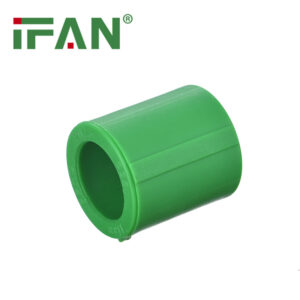
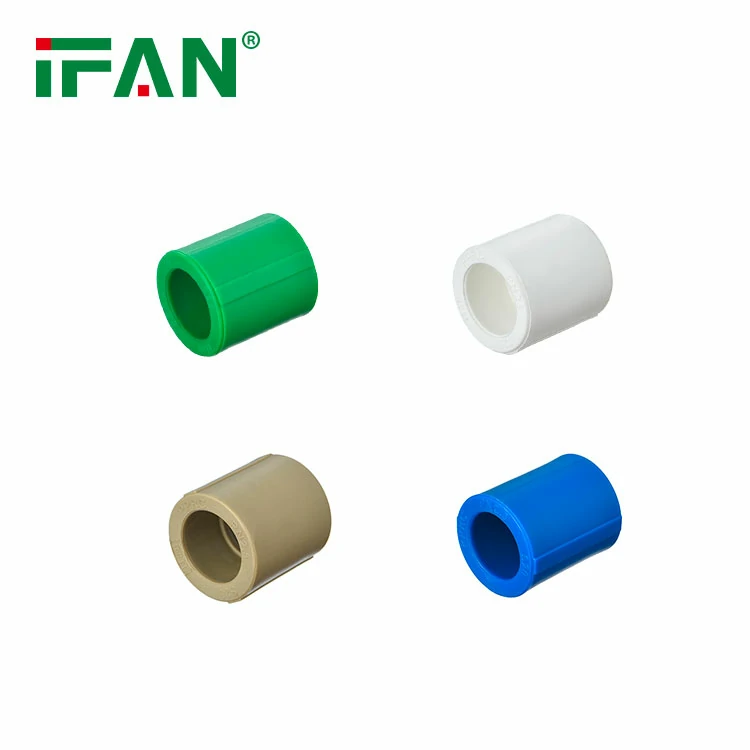
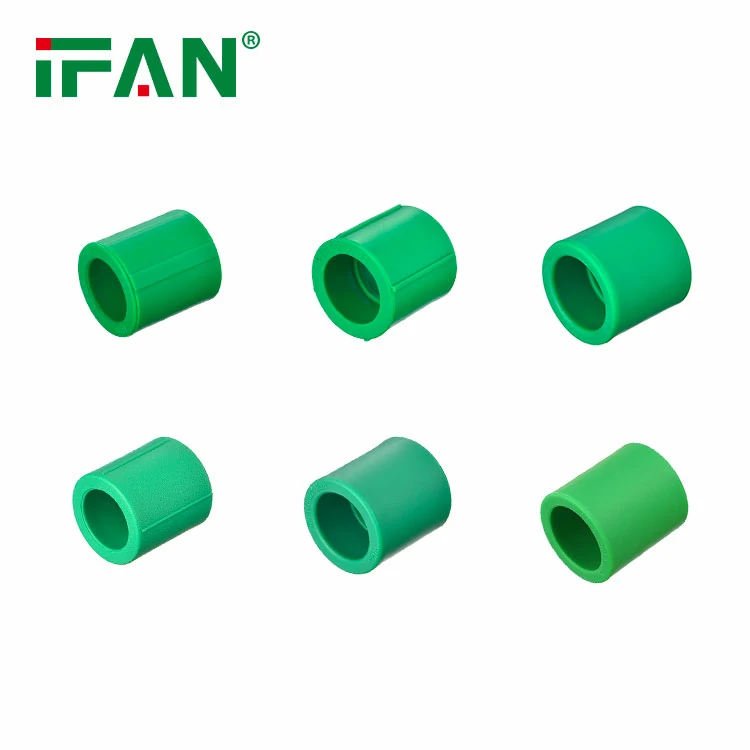
A plastic PPR socket is a fitting designed to connect PPR pipes at different angles or junctions. It is used to join two pipes of the same size or different diameters, ensuring a secure and reliable connection. Plastic PPR sockets are available in different designs, such as straight sockets and reducing sockets, to meet various connection requirements. The socket’s design allows it to be welded to the pipe using heat fusion, creating a permanent, strong bond that resists leaks and pressure changes.
Key Features of Plastic PPR Sockets
1. Corrosion Resistance
One of the standout features of plastic PPR sockets is their resistance to corrosion. Unlike metal fittings, which can rust and degrade over time when exposed to water, PPR sockets do not corrode, ensuring a longer lifespan. This makes them particularly well-suited for water supply systems that involve continuous water flow, where metal fittings might fail due to corrosion.
2. Leak-Proof Performance
When properly installed, plastic PPR sockets create a leak-proof seal. This is especially important in high-pressure systems, where even a small leak can lead to significant issues. The heat fusion process ensures that the socket and pipe form an airtight connection, keeping the system intact and secure.
3. Durability and Longevity
Plastic PPR sockets are highly durable and can withstand a range of environmental conditions, including high temperatures and pressures. They are designed to maintain their integrity over time, even in harsh conditions. This makes them a reliable choice for both residential and commercial plumbing applications.
4. Lightweight and Easy to Install
Another advantage of plastic PPR sockets is their lightweight nature, which makes them easier to handle and install compared to metal fittings. This feature reduces the labor required for installations, allowing for faster and more efficient work. Additionally, PPR sockets can be fused to pipes without the need for specialized tools, making them ideal for DIY projects or professional plumbing work.
5. Eco-Friendly
Plastic PPR sockets are made from recyclable materials, making them an environmentally friendly option. By choosing these fittings, you contribute to reducing waste in plumbing installations, especially in areas where recycling is a priority.
Benefits of Using Plastic PPR Sockets
Cost-Effective: Plastic PPR sockets are relatively inexpensive compared to metal alternatives. This affordability makes them a cost-effective option for large-scale plumbing projects or maintenance work.
Energy Efficient: Due to their insulation properties, PPR sockets help maintain the temperature of fluids within the pipes, reducing energy loss.
Reduced Maintenance Costs: The long lifespan and corrosion resistance of plastic PPR sockets mean fewer repairs and replacements are needed over time. This leads to lower maintenance costs.
Chemical Resistance: Plastic PPR sockets are resistant to a wide range of chemicals, making them suitable for plumbing systems in both residential and industrial environments.
Applications of Plastic PPR Sockets
1. Residential Plumbing
In residential plumbing systems, plastic PPR sockets are commonly used to connect pipes in water supply systems. They are ideal for creating reliable connections in both hot and cold water pipes. PPR sockets are also used for installations where space is limited, as their lightweight design allows for easy handling.
2. Commercial Plumbing
In commercial buildings, plastic PPR sockets play a crucial role in creating strong, leak-proof connections between pipes. They are frequently used in systems such as air conditioning, heating, and water distribution. PPR sockets also offer excellent performance in environments that involve high water flow or varying temperatures.
3. Industrial Applications
Plastic PPR sockets are widely used in industrial applications where high-pressure systems and chemical resistance are essential. They are ideal for industries such as chemicals, food processing, and pharmaceuticals, where safety and reliability are top priorities. In these settings, PPR sockets ensure long-lasting and secure connections in the face of demanding conditions.
4. Irrigation Systems
In irrigation systems, plastic PPR sockets are used to join pipes that distribute water to crops. By providing a leak-proof connection, they help maintain consistent water flow, ensuring that irrigation systems operate efficiently. This is essential for large-scale agricultural projects where water efficiency is critical.
How to Install a Plastic PPR Socket
Step 1: Clean the Pipe Ends
Before installation, ensure that the pipe ends and the socket are clean and free from dirt, dust, or moisture. A clean surface helps create a stronger and more reliable bond.
Step 2: Heat Fusion
Using a heat fusion machine, heat the pipe and socket until they reach the required temperature. This step ensures that both the pipe and the socket become soft and ready to fuse together. It is important to use the correct temperature to avoid damaging the components.
Step 3: Join the Socket and Pipe
Once the pipe and socket are sufficiently heated, quickly push them together, ensuring that the socket is aligned properly. Hold them firmly for a few seconds to allow the fusion to set.
Step 4: Let It Cool
Allow the fusion joint to cool down before moving the pipe or socket. This cooling period ensures that the bond is strong and stable. Afterward, check the connection for any imperfections or gaps.
Conclusion
In summary, plastic PPR sockets are a crucial component in plumbing systems, offering a reliable, cost-effective, and durable solution for joining pipes. Their resistance to corrosion, leak-proof performance, and ease of installation make them ideal for both residential and commercial plumbing systems. Moreover, their eco-friendly nature and ability to withstand high pressures and temperatures make them an excellent choice for a wide range of applications. Whether used in water supply systems, irrigation, or industrial plumbing, plastic PPR sockets provide a long-lasting and efficient connection solution.
Plastic PPR Socket: A Key Component for Plumbing Systems
Introduction
In modern plumbing installations, securing and connecting pipes efficiently is crucial for system longevity and reliability. Plastic PPR sockets are a popular choice for achieving tight, leak-proof connections. Made from Polypropylene Random Copolymer (PPR), these fittings offer excellent performance in various plumbing applications. In this article, we will explore the structure, benefits, and applications of plastic PPR sockets, highlighting their essential role in creating durable and efficient plumbing systems.
What is a Plastic PPR Socket?
A plastic PPR socket is a fitting designed to connect PPR pipes at different angles or junctions. It is used to join two pipes of the same size or different diameters, ensuring a secure and reliable connection. Plastic PPR sockets are available in different designs, such as straight sockets and reducing sockets, to meet various connection requirements. The socket’s design allows it to be welded to the pipe using heat fusion, creating a permanent, strong bond that resists leaks and pressure changes.
Key Features of Plastic PPR Sockets
1. Corrosion Resistance
One of the standout features of plastic PPR sockets is their resistance to corrosion. Unlike metal fittings, which can rust and degrade over time when exposed to water, PPR sockets do not corrode, ensuring a longer lifespan. This makes them particularly well-suited for water supply systems that involve continuous water flow, where metal fittings might fail due to corrosion.
2. Leak-Proof Performance
When properly installed, plastic PPR sockets create a leak-proof seal. This is especially important in high-pressure systems, where even a small leak can lead to significant issues. The heat fusion process ensures that the socket and pipe form an airtight connection, keeping the system intact and secure.
3. Durability and Longevity
Plastic PPR sockets are highly durable and can withstand a range of environmental conditions, including high temperatures and pressures. They are designed to maintain their integrity over time, even in harsh conditions. This makes them a reliable choice for both residential and commercial plumbing applications.
4. Lightweight and Easy to Install
Another advantage of plastic PPR sockets is their lightweight nature, which makes them easier to handle and install compared to metal fittings. This feature reduces the labor required for installations, allowing for faster and more efficient work. Additionally, PPR sockets can be fused to pipes without the need for specialized tools, making them ideal for DIY projects or professional plumbing work.
5. Eco-Friendly
Plastic PPR sockets are made from recyclable materials, making them an environmentally friendly option. By choosing these fittings, you contribute to reducing waste in plumbing installations, especially in areas where recycling is a priority.
Benefits of Using Plastic PPR Sockets
Cost-Effective: Plastic PPR sockets are relatively inexpensive compared to metal alternatives. This affordability makes them a cost-effective option for large-scale plumbing projects or maintenance work.
Energy Efficient: Due to their insulation properties, PPR sockets help maintain the temperature of fluids within the pipes, reducing energy loss.
Reduced Maintenance Costs: The long lifespan and corrosion resistance of plastic PPR sockets mean fewer repairs and replacements are needed over time. This leads to lower maintenance costs.
Chemical Resistance: Plastic PPR sockets are resistant to a wide range of chemicals, making them suitable for plumbing systems in both residential and industrial environments.
Applications of Plastic PPR Sockets
1. Residential Plumbing
In residential plumbing systems, plastic PPR sockets are commonly used to connect pipes in water supply systems. They are ideal for creating reliable connections in both hot and cold water pipes. PPR sockets are also used for installations where space is limited, as their lightweight design allows for easy handling.
2. Commercial Plumbing
In commercial buildings, they play a crucial role in creating strong, leak-proof connections between pipes. They are frequently used in systems such as air conditioning, heating, and water distribution. PPR sockets also offer excellent performance in environments that involve high water flow or varying temperatures.
3. Industrial Applications
Plastic PPR sockets are widely used in industrial applications where high-pressure systems and chemical resistance are essential. They are ideal for industries such as chemicals, food processing, and pharmaceuticals, where safety and reliability are top priorities. In these settings, PPR sockets ensure long-lasting and secure connections in the face of demanding conditions.
4. Irrigation Systems
In irrigation systems, they are used to join pipes that distribute water to crops. By providing a leak-proof connection, they help maintain consistent water flow, ensuring that irrigation systems operate efficiently. This is essential for large-scale agricultural projects where water efficiency is critical.
How to Install a Plastic PPR Socket
Step 1: Clean the Pipe Ends
Before installation, ensure that the pipe ends and the socket are clean and free from dirt, dust, or moisture. A clean surface helps create a stronger and more reliable bond.
Step 2: Heat Fusion
Using a heat fusion machine, heat the pipe and socket until they reach the required temperature. This step ensures that both the pipe and the socket become soft and ready to fuse together. It is important to use the correct temperature to avoid damaging the components.
Step 3: Join the Socket and Pipe
Once the pipe and socket are sufficiently heated, quickly push them together, ensuring that the socket is aligned properly. Hold them firmly for a few seconds to allow the fusion to set.
Step 4: Let It Cool
Allow the fusion joint to cool down before moving the pipe or socket. This cooling period ensures that the bond is strong and stable. Afterward, check the connection for any imperfections or gaps.
Conclusion
In summary, plastic PPR sockets are a crucial component in plumbing systems, offering a reliable, cost-effective, and durable solution for joining pipes. Their resistance to corrosion, leak-proof performance, and ease of installation make them ideal for both residential and commercial plumbing systems. Moreover, their eco-friendly nature and ability to withstand high pressures and temperatures make them an excellent choice for a wide range of applications. Whether used in water supply systems, irrigation, or industrial plumbing, plastic PPR sockets provide a long-lasting and efficient connection solution.
IFAN factory started in 1993. And IFAN has workshop 120000 square meter with 610 staff. IFAN can design and produce all plumbing pipe and fitting include PPR,PVC,CPVC PPSU HDPE PEXA PEXB PERT pipe and fitting ,brass fitting, brass ball valve ,heating system , gas system , sanitary faucets and hose, In the past 30 Years, IFAN has never forgotten his mission-To protect health and safety. And IFAN factory use best materials to produce high quality pipe and fittings with automatic production line and high tech quality control machines. The most important,IFAN can guarantee that all pipes and fittings manufactured by IFAN are qualified. More information pls feel free contact us Whatsapp.
Related products
 PPR
PPRIFAN PPR Socket