PPR Pipe: The Best Choice for Hot and Cold Water Systems
Introduction
When it comes to selecting the right material for plumbing systems, PPR pipes stand out as a top choice. Known for their durability, thermal resistance, and ease of installation, PPR pipes are widely used in residential, commercial, and industrial applications. This article explores why PPR pipes are the best option for both hot and cold water systems, detailing their benefits, applications, and key characteristics.
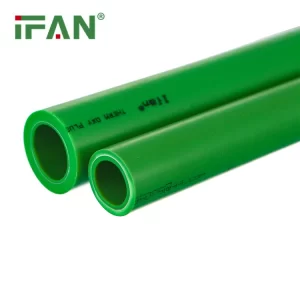
What is PPR Pipe?
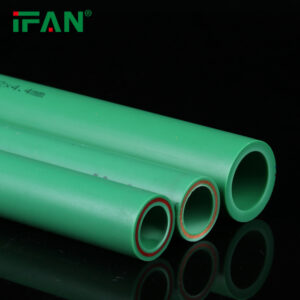
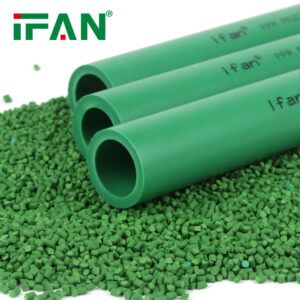
PPR (Polypropylene Random Copolymer) pipe is a type of plastic pipe that is lightweight, corrosion-resistant, and capable of handling high temperatures. PPR pipes are often green or white and come in various sizes to suit different plumbing needs. Unlike traditional materials like copper or PVC, PPR pipes offer enhanced performance and longevity.
Advantages of PPR Pipes for Hot and Cold Water Systems
1. High Temperature Resistance
One of the key benefits of PPR pipes is their ability to withstand high temperatures, making them perfect for hot water systems. PPR pipes can handle temperatures up to 95°C (203°F) without deforming or degrading. This thermal resistance ensures that PPR pipes maintain their shape and strength even under continuous exposure to hot water.
2. Corrosion Resistance
Unlike metal pipes, PPR pipes are non-corrosive. This makes them highly durable in environments where water quality varies or contains minerals. Corrosion resistance is crucial for longevity, ensuring that the plumbing system remains leak-free and efficient over time.
3. Durability and Longevity
PPR pipes have a lifespan of over 50 years under normal operating conditions. Their durability stems from their resistance to physical wear, chemical degradation, and UV exposure. This long lifespan reduces maintenance costs and minimizes the need for frequent replacements.
4. Low Thermal Conductivity
PPR pipes have low thermal conductivity, meaning they minimize heat loss in hot water systems and condensation in cold water systems. This energy efficiency makes PPR pipes an environmentally friendly choice, reducing energy consumption and operational costs.
5. Leak-Free Joints
The installation process for PPR pipes involves heat fusion, which creates seamless, leak-free joints. This process ensures that the plumbing system remains intact and free from weak points that could lead to leaks or bursts.
6. Chemical Resistance
PPR pipes are resistant to most chemicals, making them suitable for transporting various liquids without the risk of degradation. This characteristic is particularly beneficial in industrial applications where chemical exposure is common.
Applications of PPR Pipes
PPR pipes are versatile and used in a wide range of applications, including:
- Residential Plumbing: For both hot and cold water distribution in homes.
- Commercial Buildings: Heating and cooling systems, potable water supply, and sanitary installations.
- Industrial Use: Transporting chemicals and other fluids in factories.
- Agriculture: Irrigation systems and water supply lines for farming operations.
Installation Process
Installing PPR pipes involves a straightforward process using a specialized welding machine. The ends of the pipes and fittings are heated and then pressed together, creating a strong, homogeneous joint. This method is faster and simpler than traditional soldering or gluing, reducing labor costs and installation time.
Environmental Benefits
PPR pipes are recyclable and non-toxic, contributing to environmental sustainability. Their long lifespan and energy efficiency further reduce the environmental impact of plumbing systems.
Conclusion
PPR pipes offer unmatched benefits for hot and cold water systems. Their durability, resistance to high temperatures, and ease of installation make them the best choice for modern plumbing. Whether for residential, commercial, or industrial use, PPR pipes provide a reliable, cost-effective, and sustainable solution.
Frequently Asked Questions (FAQ)
1. Can PPR pipes be used for both hot and cold water?
Yes, PPR pipes are designed to handle both hot and cold water systems, making them versatile for various applications.
2. How long do PPR pipes last?
Under normal conditions, PPR pipes can last over 50 years, providing long-term reliability.
3. Are PPR pipes safe for drinking water?
Yes, PPR pipes are non-toxic and safe for potable water applications.
4. Can PPR pipes be used underground?
Yes, PPR pipes can be installed underground, as they resist corrosion and environmental stress.
5. How are PPR pipes joined?
PPR pipes are joined using heat fusion, creating leak-free and durable connections.
Connect
IFAN factory started in 1993. And IFAN has workshop 120000 square meter with 610 staff. IFAN can design and produce all plumbing pipe and fitting include PPR,PVC,CPVC PPSU HDPE PEXA PEXB PERT pipe and fitting ,brass fitting, brass ball valve ,heating system , gas system , sanitary faucets and hose, In the past 30 Years, IFAN has never forgotten his mission-To protect health and safety. And IFAN factory use best materials to produce high quality pipe and fittings with automatic production line and high tech quality control machines. The most important,IFAN can guarantee that all pipes and fittings manufactured by IFAN are qualified. More information pls feel free contact us Whatsapp.
Related products
 PPR
PPRPPR Fittings
- PPR
Plug
- PPR
IFAN PPR Pipe