The Durability and Longevity of Brass Ball Valves: What You Need to Know
Brass ball valves are renowned for their reliability, precision, and long-lasting performance. When it comes to controlling the flow of liquids or gases in a pipeline, ensuring durability and longevity is essential.
Brass ball valves stand out among other valve types due to their exceptional resistance to corrosion, wear, and pressure. In this article, we’ll explore why
brass ball valves are a durable and long-lasting option for flow control systems in both residential and industrial settings.

1. What Makes Brass Ball Valves Durable?
The durability of
brass ball valves is largely due to the material itself—brass. Brass is an alloy of copper and zinc, combining the best qualities of both metals. Copper provides excellent corrosion resistance, while zinc adds strength and durability. This combination makes brass highly resistant to rust, oxidation, and environmental damage, ensuring the
brass ball valve maintains its integrity over time. Even when exposed to harsh water, chemicals, or extreme temperatures, brass retains its performance, making it ideal for a wide range of applications.
2. Resistance to Corrosion
One of the most significant advantages of
brass ball valves is their resistance to corrosion. In systems where water or other fluids are constantly in contact with the valve, rust and corrosion can quickly degrade the performance of the valve and the system.
Brass ball valves are naturally resistant to rust and corrosion, even in environments with high humidity, saltwater, or chemical exposure. This ensures that the valve operates reliably over many years without the need for frequent replacement or maintenance. Unlike steel or iron valves, which are prone to rust and corrosion,
brass ball valves can withstand these conditions, making them a reliable long-term solution.
3. Longevity in High-Pressure and High-Temperature Applications
Brass ball valves are designed to handle high-pressure and high-temperature conditions without losing their structural integrity. Whether you’re dealing with steam, hot water, or pressurized gases,
brass ball valves provide reliable performance. Brass is known for its ability to maintain its strength even at elevated temperatures, which makes it ideal for industrial systems that require the flow of hot fluids or gases. Its ability to handle high pressures without deformation or damage ensures that it remains effective even in demanding applications. This durability under pressure and heat contributes significantly to the longevity of
brass ball valves in various systems.
4. Minimal Wear and Tear
Another reason why
brass ball valves are so durable is their minimal wear and tear over time. The design of the ball valve includes fewer moving parts compared to other types of valves, such as globe or gate valves. This means there are fewer components that can wear out or fail, reducing the chances of malfunction. The smooth and simple operation of
brass ball valves—a 90-degree turn—ensures that the internal parts experience less stress, resulting in less wear. This translates to fewer repairs and replacements, ensuring a longer service life.
5. Leak-Proof Performance
Leakage is one of the most common problems in valve systems, but
brass ball valves are designed to minimize this risk. The tight seal created by the ball and its O-ring or PTFE (Polytetrafluoroethylene) seals ensures that no fluid or gas escapes when the valve is closed. This leak-proof design not only improves the safety and efficiency of the system but also contributes to the valve’s long-term durability. Over time, leaks can cause significant damage to equipment and systems, so the leak-proof nature of
brass ball valves ensures that they continue to function optimally without causing any disruptions.
6. Low Maintenance Requirements
The durability of
brass ball valves translates into lower maintenance needs. Since brass is resistant to corrosion and wear, the valve’s internal components are less likely to degrade over time. In many cases,
brass ball valves only require occasional cleaning and inspection to maintain their performance. This reduces downtime, minimizes maintenance costs, and ensures that the valve continues to operate efficiently. Unlike valves made of other materials that may require more frequent servicing or part replacements,
brass ball valves offer a low-maintenance solution for long-term use.
7. Versatility in Various Applications
The longevity and durability of
brass ball valves make them suitable for a wide range of applications. They can be used in residential plumbing systems, irrigation setups, heating systems, and industrial processes. Whether it’s controlling water flow, regulating gas, or managing high-pressure steam,
brass ball valves offer reliable performance across many industries. Their versatility is one of the reasons they are preferred in both residential and commercial installations. The ability to withstand various environmental conditions without compromising on performance makes them a versatile choice for flow control.
8. Cost-Effectiveness in the Long Run
While
brass ball valves may come at a slightly higher initial cost than other valve types, their durability and longevity make them cost-effective in the long run. The reduced need for frequent replacements, maintenance, and repairs ensures that they offer a better return on investment over time. Their resistance to corrosion and wear, along with their ability to handle high-pressure and high-temperature conditions, means they perform reliably for many years, which ultimately saves on operational costs.
Conclusion
The durability and longevity of
brass ball valves make them an excellent choice for controlling fluid and gas flow in various systems. Their resistance to corrosion, high-pressure and high-temperature tolerance, minimal wear and tear, and leak-proof performance ensure that they continue to operate efficiently for many years. Whether used in residential, commercial, or industrial settings,
brass ball valves provide reliable, long-lasting service with minimal maintenance. Their cost-effectiveness and versatility further solidify their position as a top choice for flow control.
FAQ
1. How long do brass ball valves last?
Brass ball valves can last for many years, often decades, depending on usage, maintenance, and environmental factors. Their resistance to corrosion and wear contributes to their long service life.
2. Are brass ball valves suitable for high-pressure systems?
Yes,
brass ball valves are designed to withstand high-pressure environments without compromising performance, making them ideal for both residential and industrial applications.
3. How do I maintain a brass ball valve?
Brass ball valves require minimal maintenance. Regular inspections and occasional cleaning are usually sufficient to keep the valve functioning properly. Ensure that the seals are intact and free from debris.
4. What are the benefits of using brass ball valves?
Brass ball valves offer exceptional durability, corrosion resistance, leak-proof performance, and ease of use. They are highly reliable for controlling fluid and gas flow in a variety of applications.
5. Can brass ball valves be used for hot water systems?
Yes,
brass ball valves are well-suited for high-temperature applications, including hot water systems, as they can maintain their strength and performance under elevated temperatures.
Connect
IFAN factory started in 1993. And
IFAN has workshop 120000 square meter with 610 staff.
IFAN can design and produce all plumbing pipe and fitting include PPR,PVC,CPVC PPSU HDPE PEXA PEXB PERT pipe and fitting ,brass fitting, brass ball valve ,heating system , gas system , sanitary faucets and hose, In the past 30 Years,
IFAN has never forgotten his mission-To protect health and safety. And
IFAN factory use best materials to produce high quality pipe and fittings with automatic production line and high tech quality control machines. The most important,
IFAN can guarantee that all pipes and fittings manufactured by
IFAN are qualified. More information pls feel free contact us
Whatsapp.



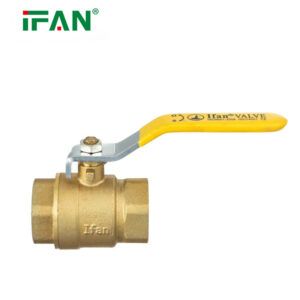
 Brass Valve