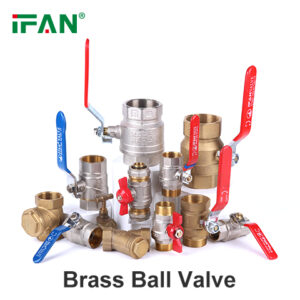
Why Choose Brass Ball Valves for Reliable Flow Control
Brass ball valves are an essential component in many industrial and residential systems, providing reliable flow control for a variety of applications. Whether you’re working with plumbing, gas lines, or other fluid systems, choosing the right valve is crucial for ensuring safety and efficiency. Brass ball valves stand out due to their numerous advantages, including durability, corrosion resistance, and ease of operation. In this article, we’ll explore why brass ball valves are an ideal choice for flow control in various applications.

What Are Brass Ball Valves?
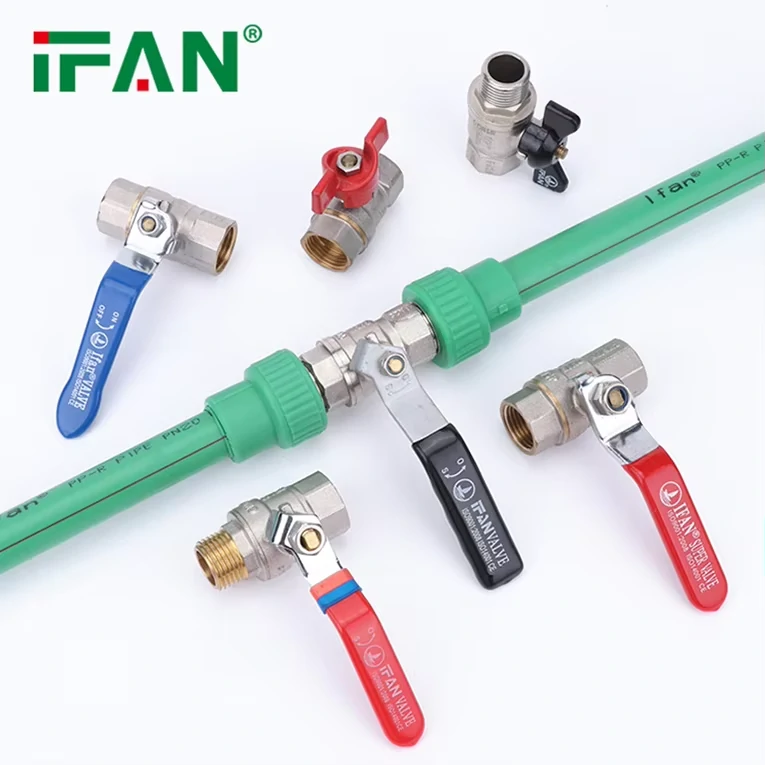
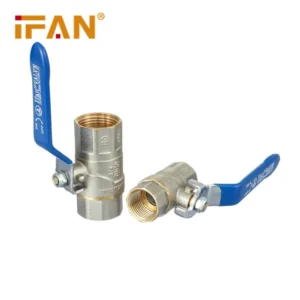
Brass ball valves are mechanical devices used to control the flow of fluids or gases within a pipeline. They consist of a spherical ball with a hole in the middle, which is turned to open or close the valve. When the hole aligns with the flow path, the valve opens, allowing fluid or gas to pass through. When the ball is rotated 90 degrees, the hole is perpendicular to the flow path, effectively stopping the flow.Made from brass, a copper alloy containing zinc, these valves offer exceptional strength, resistance to corrosion, and longevity. Their robust construction makes them suitable for both residential and industrial use.
Key Benefits of Brass Ball Valves
- Durability and Strength Brass is known for its strength and durability, making brass ball valves an excellent choice for systems that experience high pressure or frequent use. Unlike plastic valves, brass can withstand significant pressure without cracking or breaking, ensuring a long lifespan even in demanding conditions.
- Corrosion Resistance Brass’s natural resistance to corrosion is one of the most significant advantages of brass ball valves. This feature makes them ideal for use in environments with high moisture levels or in systems carrying corrosive substances. Unlike steel or iron, brass does not rust, ensuring the valve remains functional and efficient over time.
- Easy Operation Brass ball valves are designed for quick and easy operation. With a simple quarter-turn mechanism, users can open or close the valve with minimal effort. This ease of use makes them a popular choice in both residential and commercial settings, where frequent adjustments are necessary.
- Leak-Proof Sealing Brass ball valves are known for their ability to create a tight, leak-proof seal. The ball inside the valve seals against the valve seat when the valve is closed, preventing leaks and ensuring that the system remains pressurized or fluid-tight. This makes brass ball valves a reliable option for applications where leaks could lead to significant issues.
- Versatility Brass ball valves are versatile and can be used in a variety of applications, from water and gas systems to chemical and oil pipelines. Their design allows them to handle both high and low flow rates, making them suitable for a wide range of industries, including plumbing, HVAC, and oil and gas.
- Temperature Resistance Brass ball valves are capable of handling a wide range of temperatures, making them suitable for both hot and cold water systems. Their ability to resist high temperatures without degrading ensures they maintain their performance in extreme conditions.
- Cost-Effective While brass may not be the cheapest material available, the long-term benefits of using brass ball valves, such as durability, low maintenance, and extended service life, make them a cost-effective choice in the long run.
Applications of Brass Ball Valves
Brass ball valves are commonly used in a wide range of applications, including:
- Residential Plumbing: Brass ball valves are often used to control water flow in plumbing systems, including faucets, showers, and irrigation systems.
- Gas Systems: Brass ball valves are widely used in natural gas and propane systems to control the flow of gas.
- Industrial Systems: Brass ball valves play a critical role in industrial applications such as chemical processing, oil and gas, and manufacturing plants.
- HVAC Systems: In heating, ventilation, and air conditioning (HVAC) systems, brass ball valves help regulate the flow of hot or cold water.
- Food and Beverage Industry: Brass ball valves are commonly used in food processing and beverage production due to their sanitary properties and ability to handle high-pressure steam and liquids.
Choosing the Right Brass Ball Valve
When selecting a brass ball valve, it’s important to consider several factors to ensure the right fit for your application:
- Size: Choose a valve that matches the diameter of your pipes to ensure optimal flow control.
- Pressure Rating: Ensure the valve can handle the pressure requirements of your system.
- Temperature Rating: Verify that the valve can withstand the temperature range of your system.
- Connection Type: Brass ball valves come in various connection types, including threaded, flanged, and compression fittings, so make sure you select one that matches your piping system.
Conclusion
Brass ball valves are an excellent choice for reliable flow control in various systems. With their strength, corrosion resistance, ease of use, and leak-proof sealing, they offer a range of benefits that make them a preferred option in both residential and industrial applications. Whether you’re working with water, gas, or chemicals, a brass ball valve can provide the durability and performance you need to keep your system running smoothly.
Frequently Asked Questions (FAQs)
- What is the lifespan of a brass ball valve? The lifespan of a brass ball valve can vary depending on the application, but they are generally durable and can last for many years with proper maintenance.
- Can brass ball valves be used for high-pressure systems? Yes, brass ball valves are well-suited for high-pressure applications and are designed to withstand significant pressure without failure.
- Are brass ball valves suitable for outdoor use? Yes, brass ball valves are resistant to corrosion, making them suitable for outdoor use, even in wet or humid environments.
- Can brass ball valves handle high-temperature fluids? Yes, brass ball valves can handle high-temperature fluids, making them suitable for hot water and steam systems.
- How do I maintain a brass ball valve? Brass ball valves require minimal maintenance. Regularly check for leaks, and ensure the valve turns smoothly. If the valve becomes stiff, lubricate the stem with an appropriate lubricant to ensure smooth operation.
Connect
IFAN factory started in 1993. And
IFAN has workshop 120000 square meter with 610 staff.
IFAN can design and produce all plumbing pipe and fitting include PPR,PVC,CPVC PPSU HDPE PEXA PEXB PERT pipe and fitting ,brass fitting, brass ball valve ,heating system , gas system , sanitary faucets and hose, In the past 30 Years,
IFAN has never forgotten his mission-To protect health and safety. And
IFAN factory use best materials to produce high quality pipe and fittings with automatic production line and high tech quality control machines. The most important,
IFAN can guarantee that all pipes and fittings manufactured by
IFAN are qualified. More information pls feel free contact us
Whatsapp.



 Ball Valve