Brass Ball Valves for Water: A Professional Guide
1. Overview
Brass ball valves designed for water applications are quarter-turn shutoff devices specifically engineered for potable water systems. Featuring a rotating ball with a through-bore, they provide reliable flow control in residential, commercial, and industrial water systems. These valves are manufactured from lead-free brass alloys and certified for safe drinking water contact.
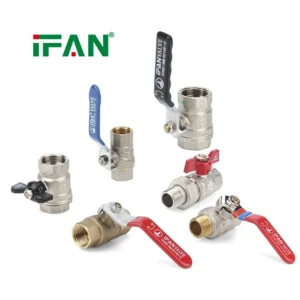
2. Key Features for Water Applications
Lead-Free Construction: Complies with NSF/ANSI 61/372 standards for potable water
Corrosion Resistance: Withstands water chemistry and treatment chemicals
Reliable Sealing: Bubble-tight shutoff prevents water leakage
Easy Operation: Quarter-turn handle for quick open/close control
Durability: Long service life with minimal maintenance
Versatility: Suitable for hot and cold water systems
3. Technical Specifications
Materials: DZR brass (Dezincification Resistant), chrome-plated brass internals
Pressure Rating: 150-600 PSI WOG (Water applications)
Temperature Range: -20°F to 400°F (-29°C to 204°C)
Connection Types: NPT threads, compression, solder, or push-fit ends
Port Types: Full port (minimal restriction) or standard port
Certifications: NSF/ANSI 61/372, CSA, UL, WRAS
4. Water-Specific Design Considerations
Material Safety:
Lead-free brass composition per Safe Drinking Water Act requirements
Non-toxic seat materials (PTFE, EPDM) that won’t contaminate water
Smooth internal surfaces to prevent bacterial growth
Performance Features:
Sediment Resistance: Designed to handle mineral deposits common in water systems
Water Hammer Accommodation: Robust construction to withstand pressure surges
Thermal Cycling: Withstands expansion/contraction in hot water systems
Scale Resistance: Materials that resist limescale buildup
5. Types for Water Systems
Residential Water Valves:
Main water supply shutoff valves
Water heater isolation valves
Fixture supply shutoffs
Appliance connection valves
Commercial Water Valves:
Building main water control valves
Zone isolation valves in multi-story buildings
Equipment service valves
Backflow preventer isolation valves
Specialized Water Valves:
Irrigation Valves: For outdoor watering systems
Boiler Feed Valves: For heating system water supply
Filter System Valves: For water treatment equipment
Recirculation Valves: For hot water return systems
6. Installation Guidelines for Water Systems
Preparation:
Ensure all components are NSF certified for potable water
Clean pipe threads thoroughly before installation
Use potable water-approved thread sealant (white PTFE tape or non-toxic compound)
Installation Steps:
Apply thread sealant to male threads only (avoid first two threads)
Hand-tighten valve initially to ensure proper thread engagement
Use two wrenches – one to hold valve body, another to tighten fitting
Position valve with handle accessible and with proper clearance
Cycle valve several times before pressurizing system
Water-Specific Considerations:
Install with flow arrow (if present) indicating correct direction
Support piping near valve to prevent stress on connections
Consider future maintenance access when positioning valves
Install drain valves downstream where appropriate
7. Selection Criteria for Water Applications
System Requirements:
Water Type: Potable, reclaimed, or industrial process water
Temperature: Hot water (above 140°F) requires appropriate seat materials
Pressure: Match valve rating to system maximum operating pressure
Flow Rate: Full-port valves for minimal pressure drop in critical applications
Quality Factors:
Certifications: NSF/ANSI 61/372 mandatory for potable water
Manufacturer Reputation: Established brands with proven performance
Warranty: Minimum 10-year warranty for water applications
Testing: Pressure tested at factory for reliability
Size and Configuration:
Match valve size to pipe diameter (½”, ¾”, 1″ most common in residential)
Choose appropriate end connections for your piping system
Select handle type based on accessibility needs
Consider space constraints for installation and operation
8. Maintenance for Water Systems
Routine Inspection:
Check for external corrosion or mineral deposits quarterly
Operate valves periodically if normally left in one position
Listen for water hammer or unusual noises during operation
Monitor for pressure drops indicating potential issues
Preventive Maintenance:
Flush system periodically to remove sediment
Inspect and clean aerators and screens downstream
Check for leaks during seasonal system checks
Lubricate stems only with potable water-approved lubricants
Common Water-Specific Issues:
Mineral Buildup: Regular flushing and water treatment
Corrosion: Ensure proper water chemistry and cathodic protection if needed
Seat Wear: More frequent in hot water or high-velocity applications
Handle Stiffness: Often due to mineral deposits in stem area
9. Water Quality Considerations
Material Compatibility:
Ensure all wetted materials are suitable for your water chemistry
Consider water treatment chemicals when selecting seat materials
Account for pH levels and mineral content in water supply
Health and Safety:
Use only certified lead-free components in potable water systems
Avoid cross-contamination with non-potable water sources
Follow local plumbing codes for water system installations
Regular water testing to ensure system integrity
10. Cost and Value Analysis
Initial Costs:
Certified water valves typically cost 20-30% more than standard valves
Higher quality materials and testing increase initial investment
Professional installation recommended for critical applications
Long-Term Value:
Reduced risk of water damage from leaks
Lower maintenance costs with quality components
Compliance with water safety regulations
Extended system lifespan with proper components
Return on Investment:
Energy savings from properly functioning valves
Reduced water waste from leak prevention
Lower insurance costs with reliable water systems
Increased property value with code-compliant installations
Summary: Brass ball valves for water applications provide reliable, safe flow control in potable water systems. Their lead-free construction, corrosion resistance, and certified materials ensure water quality and system reliability. Proper selection based on water type, temperature, pressure, and certification requirements is essential for optimal performance. With attention to installation best practices and regular maintenance, these valves offer years of trouble-free service while protecting water quality and preventing costly water damage. Always prioritize NSF-certified products and professional installation for critical water system applications.
IFAN factory started in 1993. And IFAN has workshop 120000 square meter with 610 staff. IFAN can design and produce all plumbing pipe and fitting include PPR,PVC,CPVC PPSU HDPE PEXA PEXB PERT pipe and fitting ,brass fitting, brass ball valve ,heating system , gas system , sanitary faucets and hose, In the past 30 Years, IFAN has never forgotten his mission-To protect health and safety. And IFAN factory use best materials to produce high quality pipe and fittings with automatic production line and high tech quality control machines. The most important,IFAN can guarantee that all pipes and fittings manufactured byIFAN are qualified. More information pls feel free contact us Whatsapp.
Related products
 Brass Valve
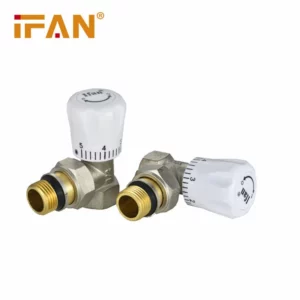
IFAN White Radiator Valve
 Brass Valve
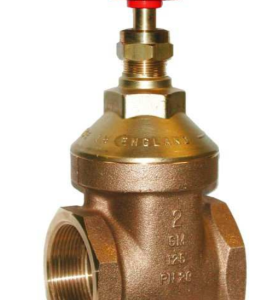
IFAN Gate Valve
- Ball Valve
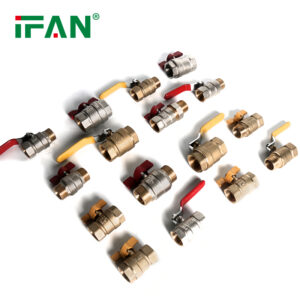
IFAN Brass Ball Valve
- Ball Valve
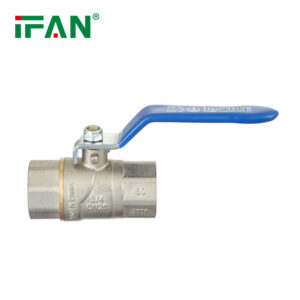
IFAN Brass Ball Valve