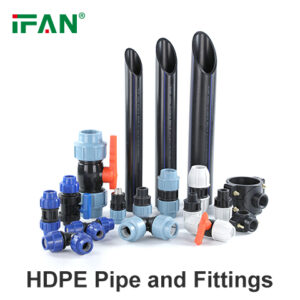
HDPE Pipe Fittings: Types, Applications, Installation, and Advantages
HDPE (High-Density Polyethylene) pipe fittings are essential components for connecting HDPE pipelines, renowned for their corrosion resistance, wear resistance, impact strength, and ease of installation. They are widely used in municipal water supply, gas distribution, industrial fluid transport, drainage systems, and agricultural irrigation. Below is a detailed overview:
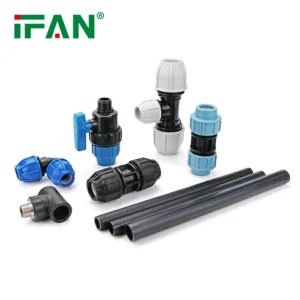
1. Main Types of HDPE Pipe Fittings
a. Butt Fusion Fittings
- Purpose: Used to join HDPE pipes of the same diameter, forming permanent, high-strength connections.
- Features:
- Heated using a butt fusion machine to melt pipe ends, then pressed together for a seamless bond.
- Excellent pressure resistance and leak-proof performance.
- Common Types:
- 90°/45° elbows, equal tees, reducing tees, reducers.
b. Electrofusion Fittings
- Purpose: Ideal for confined spaces or rapid installations (e.g., pipeline branching or repairs).
- Features:
- Embedded with heating wires that melt the pipe-fitting interface when electrified.
- Easy to operate but costlier than butt fusion.
- Common Types:
- Electrofusion couplings, elbows, tees, and saddles.
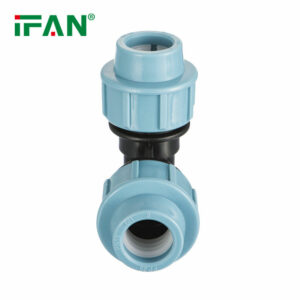
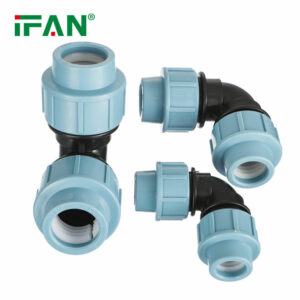
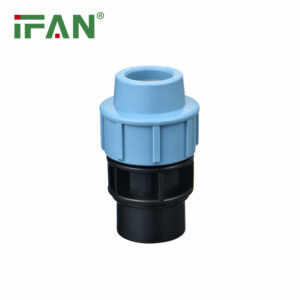
c. Mechanical Fittings
- Purpose: Suitable for temporary connections or frequent disassembly (e.g., testing or maintenance).
- Features:
- Secured via bolts, clamps, or flanges for quick assembly/disassembly.
- Less密封 (seal-tight) than fusion methods but versatile.
- Common Types:
- Flange adapters, quick-connect couplings, and clamp saddles.
2. Applications of HDPE Pipe Fittings
- Municipal Water & Drainage
- Corrosion-resistant and aging-resistant, ideal for urban water supply networks, sewage systems, and stormwater management.
- Example: Underground pipeline renovations, wastewater treatment plants.
- Gas Distribution
- High impact resistance and chemical stability make them suitable for natural gas and LPG pipelines.
- Example: Residential gas supply, industrial fuel lines.
- Industrial Fluid Transport
- Withstands corrosive media (acids, alkalis, saline solutions) and abrasive slurries (e.g., mineral ore, mud).
- Example: Chemical plant piping, mine drainage.
- Agricultural Irrigation
- Lightweight and weather-resistant, perfect for farmland irrigation, greenhouse water supply, and sprinkler systems.
- Example: Drip irrigation pipelines, pump outlet connections.
3. Installation Methods
a. Butt Fusion Installation Steps
- Preparation: Clean pipe ends to remove oil, dirt, and moisture.
- Heating: Use a butt fusion machine to heat pipe ends to melting temperature (210–230°C).
- Fusion: Quickly press the heated ends together and hold pressure until cooled.
- Inspection: Ensure no gaps or misalignment.
b. Electrofusion Installation Steps
- Preparation: Scrape the pipe surface to remove oxidation layers for a flat contact surface.
- Assembly: Insert the pipe into the electrofusion fitting and align markings.
- Welding: Apply current to heat the embedded wires, melting the interface.
- Cooling: Keep the fitting stationary until fully cooled.
c. Mechanical Installation Steps
- Assembly: Insert the pipe into the mechanical fitting and align bolt holes.
- Fastening: Tighten bolts or clamps evenly to compress the gasket.
- Testing: Conduct pressure tests to confirm leak-free performance.
4. Advantages of HDPE Pipe Fittings
- Corrosion Resistance: Withstands acids, alkalis, and organic solvents for long-term durability.
- Wear Resistance: Smooth inner walls reduce fluid resistance and extend service life.
- Impact Strength: Remains tough at low temperatures, suitable for cold regions or earthquake-prone areas.
- Ease of Installation: Fusion methods require no specialized tools, lowering labor costs.
- Environmentally Friendly: Recyclable and compliant with green building standards.
- Long Lifespan: Designed for 50+ years of reliable service, minimizing maintenance.
5. Selection Tips
- Pressure Rating: Match the fitting’s pressure class (e.g., SDR11, SDR17) with the pipeline.
- Connection Type: Choose based on site conditions (e.g., butt fusion for permanent joints, electrofusion for tight spaces).
- Dimensions: Ensure outer diameter and wall thickness align with pipes to prevent leaks.
- Certifications: Prioritize fittings meeting international standards (ASTM, AWWA, NSF) for quality assurance
IFAN factory started in 1993. And IFAN has workshop 120000 square meter with 610 staff. IFAN can design and produce all plumbing pipe and fitting include PPR,PVC,CPVC PPSU HDPE PEXA PEXB PERT pipe and fitting ,brass fitting, brass ball valve ,heating system , gas system , sanitary faucets and hose, In the past 30 Years, IFAN has never forgotten his mission-To protect health and safety. And IFAN factory use best materials to produce high quality pipe and fittings with automatic production line and high tech quality control machines. The most important,IFAN can guarantee that all pipes and fittings manufactured byIFAN are qualified. More information pls feel free contact us Whatsapp.
Related products
 PP Fitting 601
IFAN HDPE Fittings
- PP Fitting 601
IFAN HDPE Fitting
- PP Fitting 601
IFAN HDPE Pipe Fitting
- PP Fitting 601
IFAN PP Fitting PP601