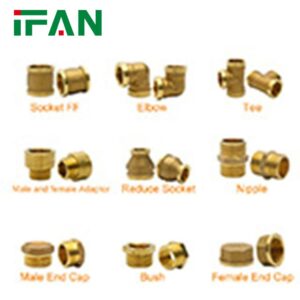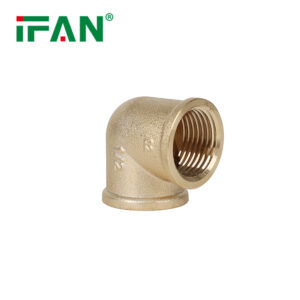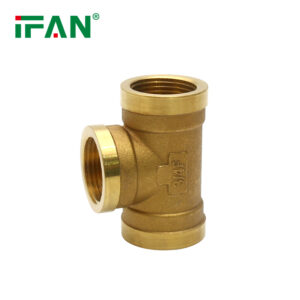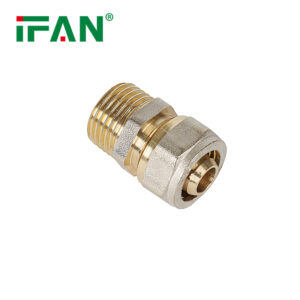


IFAN High Durability Brass Pipe Fittings
Description
Definition of Dezincification
Dezincification is a specific type of corrosion. It affects brass, which is a copper-zinc alloy. The process selectively removes zinc from the alloy. What remains is a weak, porous copper structure. This “copper sponge” loses all mechanical strength. Brass pipe fittings can fail suddenly from this condition.
The Electrochemical Process Explained
Dezincification is a form of dealloying corrosion. It occurs in water containing dissolved salts and oxygen. The zinc, being less noble, dissolves preferentially. Copper ions in the water may redeposit. Brass pipe fittings develop a reddish or pinkish surface. This color change is a warning sign of damage.
The Zinc Content Threshold
The risk depends on the brass alloy composition. Brass with over 15% zinc is susceptible. When zinc reaches 35%, the risk becomes severe. Many standard brass pipe fittings use C36000 alloy. This contains approximately 34% zinc. It falls into the high-risk category for dezincification.
Plug Type vs. Layer Type
There are two distinct forms of dezincification. Plug type creates deep, localized spongy areas. It penetrates quickly through the fitting wall. This occurs in neutral or alkaline water with high salt content. Layer type spreads a thin porous layer across the surface. This happens in slightly acidic water with high chlorides.
Environmental Factors That Accelerate Attack
Several conditions speed up dezincification in brass pipe fittings. Hot water temperature is a major accelerator. Stagnant or low-flow water conditions worsen the attack. Chlorine and chloramines in municipal water facilitate the reaction. High chloride and sulfate levels also contribute. Permeable scale or deposits trap corrosives against the brass.
Case Study: Residential Hot Water Failure
A forensic analysis revealed severe dezincification in a home. The hot water brass pipe fittings showed zinc completely leached. The material was a weak, porous copper structure. Contributing factors included: hot water temperature, water pH, chloride content, and stagnant flow conditions. The brass alloy (C36000) was vulnerable to this corrosion type.
Warning Signs of Dezincification
Brass pipe fittings undergoing dezincification show visible changes. The surface turns from yellow to reddish or pink. This is the exposed copper after zinc removal. The fitting may feel rough or spongy. Cracks or pinhole leaks may appear. In severe cases, the fitting can crumble under light pressure.
The Solution: DZR Brass Fittings
Dezincification-resistant (DZR) brass pipe fittings solve this problem. DZR alloys contain small amounts of arsenic, antimony, or phosphorus. These additives stabilize the microstructure. They prevent the selective leaching of zinc. DZR brass is required for hot water and aggressive water applications. It is also known as CR (Corrosion Resistant) brass.
DZR Specifications and Standards
Common DZR specifications include CW602N and CZ132. These alloys have nominal composition of 62% copper, 36% zinc, 2% lead, and 0.1% arsenic. The tiny arsenic addition protects the entire alloy. Brass pipe fittings with these markings are safe for hot water. They meet NSF/ANSI 61 for drinking water.
Industries and Applications at Risk
Dezincification is a global problem affecting many sectors. Potable water systems in homes are vulnerable. Commercial buildings with recirculating hot water are at risk. Industrial cooling water systems also suffer. Fire protection systems can have hidden damage. Irrigation systems with aggressive water chemistry are affected.
Prevention and Best Practices
To prevent dezincification, follow these guidelines. Always use DZR brass pipe fittings for hot water. Test your water chemistry if it is aggressive. Avoid stagnant water conditions by designing for flow. Lower water heater temperature to slow the reaction. Replace any standard brass fittings showing pink discoloration.
Conclusion on Dezincification
Dezincification is the selective removal of zinc from brass. It leaves brass pipe fittings weak and porous. The process is accelerated by hot water, chlorides, and stagnant conditions. Standard yellow brass (C36000) is highly vulnerable. DZR brass (CW602N) resists dezincification effectively. For hot water and aggressive water systems, always specify DZR brass. This simple material choice prevents premature failure and ensures decades of reliable service.
IFAN factory started in 1993. And IFAN has workshop 120000 square meter with 610 staff. IFAN can design and produce all plumbing pipe and fitting include PPR,PVC,CPVC PPSU HDPE PEXA PEXB PERT pipe and fitting ,brass fitting, brass ball valve ,heating system , gas system , sanitary faucets and hose, In the past 30 Years, IFAN has never forgotten his mission-To protect health and safety. And IFAN factory use best materials to produce high quality pipe and fittings with automatic production line and high tech quality control machines. The most important,IFAN can guarantee that all pipes and fittings manufactured by IFAN are qualified. More information pls feel free contact us Whatsapp.
Related products
 Brass Fitting
IFAN Brass Fittings
- Brass Fitting
Brass fitting
- Brass Fitting
Brass Fittings
- Brass Fitting
IFAN PEX Compression Fitting