The Complete Guide to Brass Gate Valves: Precision Flow Control Solutions
Fluid control systems require reliable isolation capabilities for maintenance, repairs, and flow regulation. Brass gate valves provide exceptional shut-off performance in plumbing, heating, and industrial applications. These robust valves feature a rising stem design that offers visual confirmation of valve position and precise flow control. Whether you’re working on residential water systems, commercial installations, or industrial processes, understanding brass gate valves is essential for effective system management and maintenance.
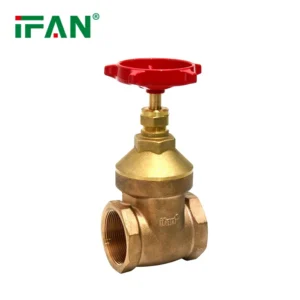
The primary function of gate valves is to provide complete isolation rather than flow regulation. Their full-port design minimizes pressure drop when fully open, making them ideal for applications where unrestricted flow is crucial. Moreover, brass construction ensures excellent corrosion resistance and durability in water-based systems. Consequently, brass gate valves remain a popular choice among professionals for their reliability and long service life.
This comprehensive guide examines brass gate valves from multiple perspectives, covering design features, installation techniques, selection criteria, and maintenance considerations to help you make informed decisions for your projects.
Understanding Brass Gate Valves
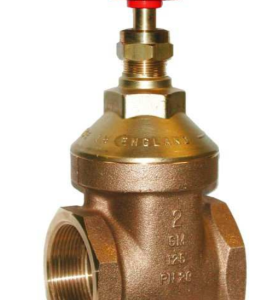
Brass gate valves are linear motion valves designed for complete isolation service in piping systems. These valves utilize a flat gate or wedge that moves perpendicular to the flow path, providing straight-through flow when open and tight shut-off when closed. Manufactured from high-quality dezincification-resistant brass, these valves withstand corrosion and provide reliable performance in various applications.
The rising stem design allows visual confirmation of valve position—when the stem extends, the valve is open; when retracted, it’s closed. This feature provides immediate status indication without requiring operation. Most brass gate valves feature threaded connections for easy installation and are available in various sizes and pressure ratings to suit different system requirements.
Key Advantages of Brass Gate Valves
The brass construction and gate valve design offer numerous significant benefits:
Full Port Design: Minimal pressure drop when fully open
Bidirectional Flow: Suitable for either flow direction
Visual Position Indication: Rising stem shows valve status
Tight Shut-Off: Excellent sealing capabilities
Corrosion Resistance: DZR brass withstands water corrosion
Durable Construction: Withstands high pressures and temperatures
Easy Operation: Smooth stem operation with minimal torque
Long Service Life: Reliable performance for decades
Types of Brass Gate Valves
Different designs suit specific application requirements:
Rising Stem vs. Non-Rising Stem
Rising Stem: Stem rises above handwheel when open (visual indication)
Non-Rising Stem: Stem rotates but doesn’t rise (space-saving)
Wedge Types
Solid Wedge: General purpose, most common type
Flexible Wedge: Compensates for seat alignment variations
Split Wedge: Self-aligning for improved sealing
Connection Types
Threaded Ends: NPT, BSPP, BSPT connections
Union Ends: Allows easy valve removal for maintenance
Flanged Ends: For higher pressure applications
Professional Installation Guidelines
Proper installation ensures optimal performance and longevity:
Preparation Phase:
System Assessment: Determine flow requirements and valve orientation
Location Selection: Choose accessible location for operation/maintenance
Pipe Preparation: Clean threads and remove debris from piping
Valve Inspection: Check for damage and proper operation
Installation Process:
Flow Direction: Install with stem upright for optimal performance
Thread Sealing: Apply appropriate sealant to male threads
Hand Tightening: Start threads by hand to prevent cross-threading
Final Tightening: Use appropriate tools without over-tightening
Support: Provide adequate piping support near valve
Operation Test: Cycle valve several times before system pressure test
Orientation Considerations:
Stem Position: Install with stem vertically oriented when possible
Accessibility: Ensure sufficient clearance for operation
Maintenance Space: Allow room for future maintenance/repair
Selection Considerations
Key factors for optimal valve selection:
Pressure Rating: Suitable for system operating pressure
Temperature Range: Compatible with fluid temperature
Connection Type: Thread size and standard (NPT, BSP)
Valve Size: Appropriate for pipe diameter and flow requirements
Stem Type: Rising stem for visual indication or non-rising for tight spaces
Application Type: Water, gas, or chemical service
Certifications: NSF/ANSI 61 for potable water applications
Material Quality: DZR brass for corrosion resistance
Technical Specifications
Pressure Rating: 150-600 WOG (Water, Oil, Gas)
Temperature Range: -20°F to 400°F (-29°C to 204°C)
Size Range: ¼” to 4″ diameters
Materials: Dezincification-Resistant Brass (DZR)
End Connections: NPT, BSPP, BSPT threads
Stem Design: Rising stem with brass or stainless steel construction
Frequently Asked Questions
Q: Can gate valves be used for flow regulation?
A: Not recommended—use for full open or closed positions only.
Q: What’s the difference between gate valves and ball valves?
A: Gate valves provide better shut-off; ball valves offer quicker operation.
Q: Are brass gate valves suitable for potable water?
A: Yes, when certified to NSF/ANSI 61 standards.
Q: How often should gate valves be exercised?
A: Cycle at least quarterly to prevent sticking.
Q: Can gate valves be installed in any orientation?
A: Best performance with stem vertical; avoid inverted installation.
Common Applications
Essential for numerous scenarios:
Main Water Supply: Primary isolation points
Boiler Systems: Isolation for maintenance
Irrigation Systems: Zone control and isolation
Industrial Processes: System isolation points
Heating Systems: Radiator isolation valves
Fire Protection Systems: Water supply control
Operation and Maintenance
Ensure long-term performance and reliability:
Proper Operation:
Open Fully: Turn counterclockwise until stem fully extends
Close Fully: Turn clockwise until snug (don’t over-tighten)
Avoid Partial Opening: Prevents wire-drawing and seat damage
Maintenance Schedule:
Monthly: Visual inspection for leaks
Quarterly: Cycle valve through full operation
Annually: Lubricate stem threads if applicable
As Needed: Repack stem packing if leaking
Troubleshooting Common Issues:
Stiff Operation: Lubricate stem or replace packing
Leaking: Tighten packing nut or replace seats
Won’t Hold Pressure: Inspect and replace worn components
Conclusion: Reliable Isolation Solutions
Brass gate valves provide essential flow isolation capabilities for various fluid systems. Their full-port design, visual position indication, and reliable sealing make them ideal for applications requiring positive shut-off. Furthermore, their durable brass construction ensures long service life and corrosion resistance in demanding environments.
IFAN factory started in 1993. And IFAN has workshop 120000 square meter with 610 staff. IFAN can design and produce all plumbing pipe and fitting include PPR,PVC,CPVC PPSU HDPE PEXA PEXB PERT pipe and fitting ,brass fitting, brass ball valve ,heating system , gas system , sanitary faucets and hose, In the past 30 Years, IFAN has never forgotten his mission-To protect health and safety. And IFAN factory use best materials to produce high quality pipe and fittings with automatic production line and high tech quality control machines. The most important,IFAN can guarantee that all pipes and fittings manufactured by IFAN are qualified. More information pls feel free contact us Whatsapp.
Related products
 Brass Valve
IFAN Brass Gas Valve
- Brass Valve
Yellow Gas Ball Valve
 Brass Valve
IFAN Gate Valve
- Ball Valve
IFAN Butterfly Valve