Brass PEX Fittings: A Comprehensive Guide to Durability, Efficiency, and Innovation in Plumbing
1. Introduction: The Rise of PEX and the Critical Role of Fittings
The plumbing industry has undergone a seismic shift with the adoption of PEX (cross-linked polyethylene) tubing, valued for its flexibility, corrosion resistance, and cost-effectiveness. However, the success of PEX systems depends heavily on the quality of their fittings. Brass PEX fittings have emerged as the industry benchmark, offering unmatched reliability, compatibility, and longevity across residential, commercial, and industrial applications. This article delves into their design, performance, installation best practices, and why they outperform competing materials like plastic or stainless steel.
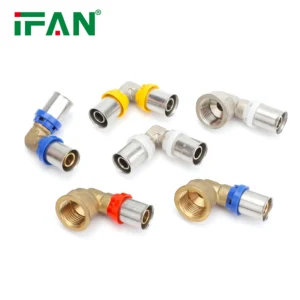
2. Material Science: Why Brass is the Superior Choice
2.1 Composition and Properties
Brass PEX fittings are typically forged from CW617N (CZ122) or DZR (Dezincification-Resistant) brass, an alloy engineered for plumbing excellence:
- Copper (60–65%): Provides natural antimicrobial properties, inhibiting bacterial growth in potable water systems.
- Zinc (30–35%): Enhances machinability and strength, ensuring precise threading and leak-proof seals.
- Lead-Free Additives: Modern brass fittings comply with NSF 372 and California Proposition 65, containing ≤0.25% lead to prevent water contamination.
- DZR Protection: Special alloying elements (e.g., arsenic, boron) prevent zinc leaching in aggressive water conditions, extending service life to 50+ years.
2.2 Brass vs. Alternatives: A Comparative Analysis
| Material | Strengths | Weaknesses |
|---|---|---|
| Brass | – Withstands 200 PSI pressure and 230°F temps – Resists corrosion, scaling, and chemicals – Reusable (in some designs) | – Higher upfront cost – Theft risk (scrap value) |
| Plastic | – Lightweight, low cost – Corrosion-resistant | – Brittle under heat/pressure – Limited lifespan (10–15 years) |
| Stainless Steel | – High strength, corrosion-resistant – Suitable for industrial use | – Expensive – Prone to galling if misinstalled |
Key Takeaway: Brass offers the best balance of durability, safety, and cost-efficiency for most PEX applications.
3. Types of Brass PEX Fittings: Designs for Every Need
3.1 Crimp Fittings (Most Common)
- Mechanism: A barbed stem is inserted into PEX pipe, secured with a copper or stainless-steel crimp ring and a pressing tool.
- Advantages:
- Proven reliability: Used in 90% of residential PEX installations.
- Certifications: NSF/ANSI 61 (potable water), ASTM F1807 (standard for crimp systems).
- Applications: Potable water lines, radiant heating, and snowmelt systems.
3.2 Clamp (Cinch) Fittings
- Mechanism: Uses a stainless-steel cinch ring tightened with a pinch clamp tool.
- Advantages:
- Tool versatility: Works with multiple ring sizes.
- DIY-friendly: Easier to install than crimp rings in tight spaces.
- Limitation: Slightly higher leak risk if not crimped uniformly.
3.3 Expansion Fittings (PEX-A Only)
- Mechanism: An expansion tool stretches PEX-A pipe over the brass fitting, creating a reusable, leak-proof connection.
- Advantages:
- Eliminates crimp rings: Reduces material costs.
- High flow rates: Smooth interior surface minimizes pressure drops.
3.4 Push-Fit Fittings (Brass Variants)
- Mechanism: O-ring seals enable tool-free installation.
- Drawbacks:
- Less reliable under high pressure/temperature.
- Rare in brass due to cost; plastic push-fits are more common.
4. Installation Best Practices: Ensuring Long-Term Performance
4.1 Step-by-Step Guide (Crimp Fittings)
- Cut PEX Pipe: Use a rotary cutter for a clean, square end.
- Deburr: Remove internal burrs with a reaming tool to prevent flow restriction.
- Mark Depth: Use a depth gauge to ensure proper insertion (typically 1.5x pipe diameter).
- Insert Fitting: Push the brass fitting’s barbed stem into the pipe until it seats fully.
- Position Crimp Ring: Slide the ring 1/8–1/4″ from the pipe end.
- Crimp: Use a calibrated tool (e.g., Milwaukee or Ridgid) to compress the ring uniformly.
- Inspect: Verify the crimp is complete (no gaps) and perform a pressure test.
4.2 Common Mistakes to Avoid
- Under-crimping: Leads to leaks under pressure.
- Over-crimping: Damages the pipe or fitting.
- Using Wrong Tools: Non-calibrated crimpers cause inconsistent seals.
Pro Tip: Always use manufacturer-approved crimp rings and tools to avoid warranty issues.
5. Performance Metrics: Engineering for Extreme Conditions
5.1 Key Specifications
- Temperature Range: -40°F to 230°F (-40°C to 110°C), suitable for freezing climates and hot water recirculation.
- Pressure Rating: 200 PSI static, withstanding water hammer and surges.
- Chemical Resistance: Withstands acids, alkalis, and chlorinated water (up to 50 ppm).
5.2 Real-World Durability
- Case Study: A 10-year study by the Copper Development Association (CDA) found brass PEX fittings had a 0.2% failure rate in residential systems, compared to 3.1% for plastic fittings.
- Vibration Resistance: Brass’s rigidity prevents loosening in earthquake-prone or high-traffic areas.
6. Applications: From Homes to High-Tech Buildings
6.1 Residential Plumbing
- Potable Water: Safe for drinking water in single-family homes and apartments.
- Radiant Heating: Efficient heat distribution with minimal energy loss.
6.2 Commercial Infrastructure
- High-Rise Buildings: Reduces installation time by 40% vs. copper soldering.
- Hospitals: Sterile connections for medical gas and oxygen lines.
6.3 Industrial Systems
- Chemical Processing: Transports acids, solvents, and alkalis without degradation.
- Wastewater Treatment: Resists abrasive slurry and corrosive gases.
7. Market Trends: Sustainability and Smart Technology
7.1 Global Market Growth
- Projected Value: $1.5 billion by 2027, growing at a 7.2% CAGR (2024–2027).
- Drivers:
- Urbanization: Demand for efficient plumbing in multi-unit buildings.
- Green Building Codes: LEED and WELL certifications prioritize durable, low-leak systems.
7.2 Innovations
- Smart Fittings: IoT sensors monitor pressure, temperature, and leaks in real time.
- 3D-Printed Brass: Enables complex geometries for customized applications.
8. Challenges and Solutions
8.1 Cost Concerns
- Mitigation: While brass fittings cost 20% more than plastic, their 50-year lifespan reduces replacement costs.
8.2 Theft Risk
- Mitigation: Manufacturers are adding serial numbers and tamper-evident seals to track inventory.
8.3 Skill Gaps
- Mitigation: Certification programs (e.g., ASPE’s PEX Installation Course) ensure proper training.
9. Conclusion: The Gold Standard for Modern Plumbing
Brass PEX fittings represent the perfect synergy of tradition and innovation, offering unmatched durability, safety, and efficiency. Their ability to withstand extreme conditions, reduce installation time, and integrate with smart systems positions them as the preferred choice for architects, engineers, and homeowners alike. As sustainability and cost-efficiency drive industry evolution, brass PEX fittings will remain the cornerstone of reliable, long-lasting plumbing solutions.
IFAN factory started in 1993. And IFAN has workshop 120000 square meter with 610 staff. IFAN can design and produce all plumbing pipe and fitting include PPR,PVC,CPVC PPSU HDPE PEXA PEXB PERT pipe and fitting ,brass fitting, brass ball valve ,heating system , gas system , sanitary faucets and hose, In the past 30 Years, IFAN has never forgotten his mission-To protect health and safety. And IFAN factory use best materials to produce high quality pipe and fittings with automatic production line and high tech quality control machines. The most important,IFAN can guarantee that all pipes and fittings manufactured by IFAN are qualified. More information pls feel free contact us Whatsapp.
Related products
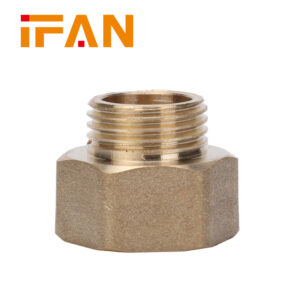
 Brass Fitting
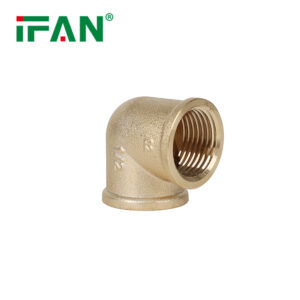
Brass Elbow
- Brass Fitting
Brass Fitting
- Brass Fitting
IFAN High Quality 1/2″-2″ Brass Fitting Elbow