How to Install PEX Pipe Fittings for a Leak-Free Water Supply System
Introduction
Installing PEX pipe fittings is an essential part of creating a leak-free water supply system. PPR fittings provide a reliable and durable solution for modern plumbing needs, offering both flexibility and ease of installation. With the right knowledge and tools, you can successfully install PPR fittings to ensure a long-lasting and efficient plumbing system. In this article, we will walk you through the process of installing PPR fittings and explain key tips to avoid leaks in your water supply system.
Why Choose PPR Fittings for Your Water Supply System?
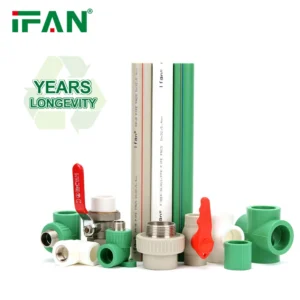
PPR fittings are made from polypropylene random copolymer, a material known for its high resistance to corrosion, chemicals, and high temperatures. These fittings are ideal for both cold and hot water systems, making them a versatile choice for various plumbing applications. Their durability, cost-effectiveness, and ease of installation make them one of the most reliable options in modern plumbing.
Tools and Materials Needed for Installing PPR Fittings
Before you start installing PPR fittings, make sure you have the following tools and materials:
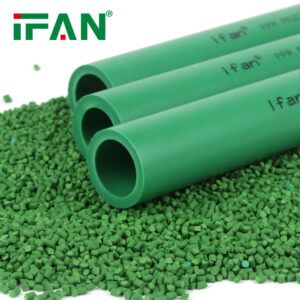
- PPR pipe (properly cut to the required lengths)
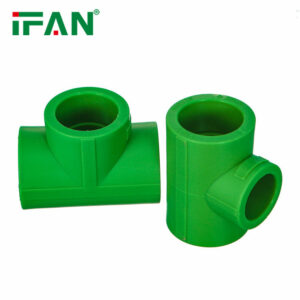
- PPR fittings (elbows, tees, connectors, etc.)
- Pipe cutter (to ensure smooth, clean cuts)
- Heat fusion tool (for connecting the fittings to the pipes)
- Measuring tape (for accurate pipe lengths)
- Marker (to mark the pipes for proper insertion into the fittings)
- Deburring tool (to remove sharp edges from pipe cuts)
Step-by-Step Guide to Installing PPR Fittings
Step 1: Measure and Cut the PEX Pipe
The first step in installing PPR fittings is to measure the required length of PEX pipe. Use a measuring tape to get the exact length you need, taking into consideration any angles or obstacles in the layout. After measuring, use a pipe cutter to make a clean, straight cut. Ensure the pipe is cut at a right angle to avoid issues when connecting it to the fittings.
Step 2: Deburr the Pipe
After cutting the pipe, you may notice rough or sharp edges. Use a deburring tool to smooth the cut ends. This will help prevent damage to the fitting and ensure a secure, leak-free connection. It’s essential to eliminate any burrs or debris that could compromise the integrity of the joint.
Step 3: Prepare the Fitting
Now that your pipe is prepared, you’ll need to get your PPR fittings ready. If you’re using a heat fusion method, ensure that the fitting and pipe are clean and free of dust or debris. Check the manufacturer’s guidelines for the recommended temperature settings for fusion. This is critical for achieving a tight and durable bond between the pipe and the fitting.
Step 4: Heat the Pipe and Fitting
Using a heat fusion tool, apply heat to both the pipe and the PPR fitting. Follow the manufacturer’s instructions to heat both parts evenly. Typically, you will need to heat both components for 5-10 seconds, but this can vary depending on the size of the pipe and fitting. The goal is to soften the materials enough to form a strong bond.
Step 5: Insert the Pipe into the Fitting
Once the pipe and fitting have reached the correct temperature, quickly insert the pipe into the fitting. Be sure to do this while the materials are still soft to ensure a tight, secure connection. Hold the pipe in place for a few seconds to allow the fusion to set. Ensure that the pipe is fully inserted into the fitting, as any gaps could cause leaks.
Step 6: Allow the Connection to Cool
After making the connection, allow the pipe and fitting to cool naturally. This process will take a few minutes, depending on the size and environment. Once cooled, the bond between the PPR fittings and pipe will be solid, and you can move on to the next section of your installation.
Step 7: Test the System
Once all the connections are made, it’s time to test the water supply system. Turn on the water and check for any leaks at the fittings. If you notice any, turn off the water immediately and inspect the connections. A proper fusion process should result in a leak-free system, but checking for leaks ensures that everything is properly sealed.
Tips for Avoiding Leaks in PPR Fitting Installations
- Use High-Quality PPR Fittings: Always purchase PPR fittings from reputable suppliers to ensure they meet industry standards.
- Proper Fusion Temperature: Follow the recommended fusion temperature closely to avoid under-heating or over-heating the pipe and fittings.
- Keep the Fittings Clean: Ensure that both the pipe and fitting are clean before making any connections to avoid contamination.
- Check for Gaps: Make sure the pipe is fully inserted into the fitting to prevent gaps that may cause leaks.
- Allow Adequate Cooling Time: Don’t rush the cooling process; let the fusion joint cool completely before testing the system.
Why PPR Fittings Are Ideal for Leak-Free Plumbing Systems
PPR fittings provide excellent resistance to water pressure, corrosion, and temperature fluctuations, making them the ideal choice for creating a leak-free water supply system. Their easy installation process, combined with their durability, ensures long-lasting, efficient plumbing. By following the proper installation steps and using high-quality PPR fittings, you can create a water supply system that performs reliably for years to come.
Conclusion
Installing PPR fittings is a straightforward process that, when done correctly, ensures a leak-free plumbing system. The key to a successful installation lies in following the right procedures, using high-quality fittings, and ensuring that each connection is properly fused. With these tips in mind, you can confidently install PPR fittings in your water supply system for optimal performance.
Connect
IFAN factory started in 1993. And IFAN has workshop 120000 square meter with 610 staff. IFAN can design and produce all plumbing pipe and fitting include PPR,PVC,CPVC PPSU HDPE PEXA PEXB PERT pipe and fitting ,brass fitting, brass ball valve ,heating system , gas system , sanitary faucets and hose, In the past 30 Years, IFAN has never forgotten his mission-To protect health and safety. And IFAN factory use best materials to produce high quality pipe and fittings with automatic production line and high tech quality control machines. The most important,IFAN can guarantee that all pipes and fittings manufactured by IFAN are qualified. More information pls feel free contact us Whatsapp.
Related products
 PPR
PPRTee
 PPR
PPRIFAN PPR Valve
- PPR
IFAN PPR Pipe