

The Complete Guide to PPR Tubes: Advanced Piping Solutions
In the realm of modern fluid transportation systems, PPR tubes have established themselves as the gold standard for residential, commercial, and industrial applications. These innovative piping solutions, crafted from Polypropylene Random Copolymer, represent a significant leap forward in plumbing technology, offering an unparalleled combination of durability, safety, and installation efficiency. Whether you’re designing a new building’s water distribution network, upgrading an existing heating system, or implementing industrial process lines, understanding PPR tubes is crucial for creating reliable, long-lasting piping systems.
PPR tubes address the limitations of traditional piping materials by eliminating concerns about corrosion, scaling, and water contamination while delivering exceptional thermal and mechanical performance. Their growing adoption among engineers, contractors, and homeowners worldwide is a testament to their superior qualities and proven reliability in diverse operating conditions.
This comprehensive guide covers everything you need to know about PPR tubes, from their material characteristics and advantages to installation methodologies, selection parameters, and maintenance best practices.
What Are PPR Tubes?
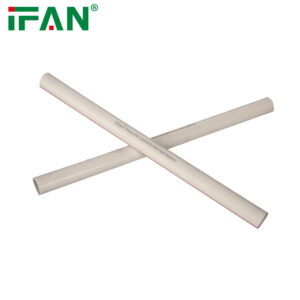
PPR tubes are pressure-rated pipes manufactured from Polypropylene Random Copolymer, a advanced thermoplastic material renowned for its exceptional thermal resistance, mechanical strength, and chemical stability. These tubes are specifically engineered for potable water distribution, heating and cooling systems, and various industrial applications where long-term reliability and water quality preservation are paramount.
The unique molecular structure of PPR material provides outstanding properties that make it ideal for fluid transportation. Available in various diameters, pressure classes, and configurations, PPR tubes feature an ultra-smooth interior surface that minimizes flow resistance and prevents sediment accumulation, ensuring consistent performance throughout their extensive service life.
Key Benefits of PPR Tubes
The advanced material properties deliver significant advantages:
Exceptional Corrosion Resistance: Complete immunity to rust, electrolytic corrosion, and chemical degradation
Scale Prevention: Mirror-smooth interior surface prevents calcium and mineral deposition
Superior Thermal Performance: Excellent heat retention properties reduce energy consumption
High Temperature Capability: Withstands continuous operation at 95°C (203°F)
Extended Service Life: 50+ years operational lifespan under proper conditions
Environmental Safety: Non-toxic material that preserves water quality
Energy Efficiency: Low thermal conductivity minimizes heat loss
Noise Reduction: Effective sound damping for quieter operation
Installation Process: How to Install PPR Tubes
Proper installation ensures optimal system performance:
Thermal Fusion Welding:
Tube Preparation: Cut tubes square using specialized PPR cutting tools
Surface Preparation: Clean and deburr both tube ends and fitting sockets
Heating Procedure: Utilize PPR welding equipment set to 260°C (500°F)
Simultaneous Heating: Heat both tube end and fitting socket concurrently
Connection: Swiftly join heated components without rotational movement
Cooling Phase: Allow undisturbed natural cooling
Quality Verification: Inspect for proper bead formation and alignment
Support and Installation:
Structural Support: Install appropriate hangers and supports at recommended intervals
Expansion Management: Accommodate thermal expansion in extended runs
Insulation Application: Apply thermal insulation where required
Pressure Testing: Conduct comprehensive system testing before concealment
Types of PPR Tubes
Available in various configurations:
Standard Tubes: For cold and hot water distribution systems
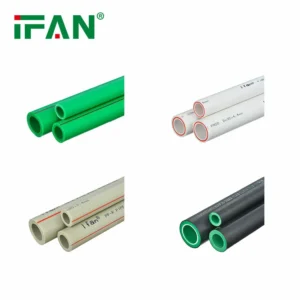
Reinforced Tubes: Aluminum or fiberglass composite for reduced expansion
Pressure Classes: PN10, PN16, PN20, PN25 for different applications
Size Range: From DN20 (¾”) to DN160 (6″) and larger diameters
Color Variants: Green, gray, white for specific application identification
How to Choose the Right PPR Tube
Selection considerations:
Application Requirements: Potable water, heating, or industrial applications
Pressure Specifications: Select appropriate pressure rating (PN)
Temperature Parameters: Consider maximum operating temperatures
Size Calculations: Match flow requirements and system design
Quality Certifications: Ensure NSF, WRAS, ISO certifications
Material Integrity: Virgin PPR material without recycled content
Technical Specifications
Pressure Ratings: PN10 (10 bar), PN16 (16 bar), PN20 (20 bar), PN25 (25 bar)
Temperature Range: -10°C to 95°C (14°F to 203°F)
Thermal Expansion Coefficient: 0.15 mm/m°C
Thermal Conductivity: 0.24 W/mK
Available Sizes: DN20 to DN160 (¾” to 6″)
Standards Compliance: ISO 15874, ASTM F2389, DIN 8077/78
PPR Tubes: FAQs
Q: Are PPR tubes suitable for drinking water applications?
A: Absolutely, when certified to NSF/ANSI 61 standards, they are perfectly safe for potable water.
Q: What is the expected lifespan of PPR tubes?
A: Properly installed PPR tubes can exceed 50 years of reliable service.
Q: Can PPR tubes handle high-temperature applications?
A: Yes, they are excellent for high-temperature uses up to 95°C (203°F).
Q: Do PPR tubes require special maintenance?
A: They are essentially maintenance-free under normal operating conditions.
Q: Are PPR tubes environmentally sustainable?
A: Yes, they are fully recyclable and energy-efficient throughout their lifecycle.
Applications for PPR Tubes
Ideal for numerous applications:
Residential Plumbing: Complete water distribution systems
Commercial Facilities: Hotels, hospitals, office complexes
Industrial Plants: Process water and cooling systems
Heating Systems: Radiant floor heating and radiator connections
Water Treatment: Filtration and purification systems
Agricultural Systems: Irrigation and water distribution networks
Maintenance and Best Practices
Ensure long-term performance:
Proper Storage: Protect from UV exposure prior to installation
Quality Installation: Employ trained technicians and proper equipment
System Design: Adhere to manufacturer’s guidelines for sizing and support
Water Quality Management: Maintain appropriate water chemistry
Regular Inspection: Monitor exposed sections during maintenance cycles
Upgrade to Advanced Piping Technology
PPR tubes represent the pinnacle of fluid transportation technology, offering an unmatched combination of safety, durability, and efficiency. Their exceptional corrosion resistance, extended service life, and environmental benefits make them the preferred choice for modern piping systems across all sectors.
The investment in PPR tubing systems delivers returns through reduced maintenance costs, energy conservation, and reliable long-term performance. Whether replacing aging metal pipes or implementing new systems, PPR tubes provide the optimal solution for contemporary fluid transportation needs.
IFAN factory started in 1993. And IFAN has workshop 120000 square meter with 610 staff. IFAN can design and produce all plumbing pipe and fitting include PPR,PVC,CPVC PPSU HDPE PEXA PEXB PERT pipe and fitting ,brass fitting, brass ball valve ,heating system , gas system , sanitary faucets and hose, In the past 30 Years, IFAN has never forgotten his mission-To protect health and safety. And IFAN factory use best materials to produce high quality pipe and fittings with automatic production line and high tech quality control machines. The most important,IFAN can guarantee that all pipes and fittings manufactured by IFAN are qualified. More information pls feel free contact us Whatsapp.
Related products
 PPR
PPRPPR Fittings
 PPR
PPRPRR Elbow