

The Complete Guide to PPR Male Thread Sockets: Reliable Transition Solutions
Modern plumbing systems often require secure connections between PPR piping and threaded components. PPR male thread sockets provide the ideal solution for transitioning from PPR systems to external threaded connections, ensuring reliable performance and easy maintenance access. These specialized fittings combine the benefits of thermal fusion bonding with versatile threaded connectivity, making them essential for various plumbing and industrial applications. Whether you’re connecting to valves, fixtures, or equipment, understanding these sockets ensures proper system integration and long-term reliability.
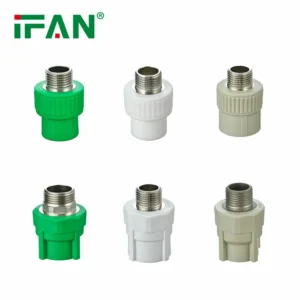
The design of PPR male thread sockets addresses the critical need for secure transitions between different piping technologies. By combining a PPR socket for thermal fusion with external threads for mechanical connections, these fittings bridge modern and traditional plumbing methods effectively. Moreover, their robust construction ensures durability under various pressure and temperature conditions, making them suitable for both residential and commercial applications. Consequently, these sockets have become increasingly popular among plumbing professionals for their versatility and reliability.
This comprehensive guide examines PPR male thread sockets from multiple perspectives, covering design features, installation techniques, selection parameters, and maintenance considerations to help you make informed decisions for your projects.
Understanding PPR Male Thread Sockets
PPR male thread sockets are hybrid transition fittings featuring a standard PPR socket on one end for thermal fusion connection and external (male) threads on the opposite end for mechanical threaded connections. Typically manufactured from high-quality polypropylene random copolymer with brass threaded inserts, these sockets ensure durable, leak-proof transitions between PPR piping and threaded components. The threaded end usually follows standard pipe threading specifications (NPT, BSPP, or BSPT), allowing connection to various threaded equipment and accessories.
The integration of PPR and threaded connections provides a seamless transition that maintains system integrity while offering installation flexibility. Additionally, the thermal fusion connection creates a permanent, monolithic joint with the PPR piping, while the threaded end allows for disassembly and reassembly when maintenance or modifications are required. This dual functionality makes them particularly valuable in applications where both permanent connections and service accessibility are important.
Key Advantages of PPR Male Thread Sockets
The hybrid design offers multiple significant benefits:
Versatile Connectivity: Enables connections between PPR systems and threaded components
Secure Transitions: Thermal fusion ensures permanent, leak-proof PPR connections
Maintenance Friendly: Threaded ends allow for disassembly and reassembly
Corrosion Resistance: Polypropylene material resists chemical degradation
Temperature Tolerance: Suitable for both hot and cold water applications
Pressure Reliability: Maintains system pressure ratings when properly installed
Installation Flexibility: Compatible with various threaded components
Long Service Life: Durable construction ensures decades of reliable service
Professional Installation Guidelines
Proper installation ensures optimal performance and longevity:
PPR End Connection:
Pipe Preparation: Cut PPR pipe square using dedicated cutter
Surface Cleaning: Clean and deburr both pipe end and socket
Heating Process: Use PPR welding machine set to 260°C (500°F)
Simultaneous Heating: Heat both pipe end and socket simultaneously
Connection: Quickly join heated components without rotation
Cooling Period: Allow natural cooling without disturbance
Inspection: Verify proper bead formation and alignment
Threaded End Connection:
Thread Inspection: Check both male and female threads for damage
Sealant Application: Apply appropriate thread sealant (Teflon tape or compound)
Hand Tightening: Start threads by hand to ensure proper alignment
Final Tightening: Use appropriate tools without over-tightening
Pressure Testing: Conduct system test before operation
Available Configurations
Multiple types accommodate different application needs:
Thread Standards: NPT, BSPP, or BSPT thread types
Size Combinations: Various PPR and thread size combinations
Material Options: Full PPR or PPR with brass threaded inserts
Pressure Ratings: Different pressure classes (PN10, PN16, PN20)
Application Specific: Standard and reinforced versions
Selection Considerations
Key factors for optimal fitting selection:
Size Compatibility: Match PPR size and thread specifications
Thread Standard: Identify required thread type (NPT, BSPP, BSPT)
Pressure Rating: Verify fitting meets system requirements
Temperature Needs: Consider maximum operating temperatures
Material Quality: Choose virgin PPR material without recycled content
Certification Compliance: NSF, WRAS, or other relevant certifications
Application Environment: Consider chemical compatibility needs
Brand Reputation: Select reputable manufacturers with quality assurance
Technical Specifications
Pressure Rating: 10-12 bar at 20°C (145-174 PSI at 68°F)
Temperature Range: -10°C to 95°C (14°F to 203°F)
Thread Standards: NPT, BSPP, BSPT available
Sizes Available: DN15 (½”) to DN110 (4″) and larger
Material: PP-R (Polypropylene Random Copolymer) Grade 3
Standards Compliance: ISO 15874, ASTM F2389
Frequently Asked Questions
Q: Are these sockets suitable for potable water applications?
A: Yes, when certified to NSF/ANSI 61 standards for drinking water.
Q: Can I reuse the threaded connections?
A: Yes, the threaded ends can typically be disconnected and reconnected multiple times.
Q: What thread sealant should I use?
A: Use PTFE tape or approved pipe thread compound compatible with your system.
Q: Are they suitable for high-temperature applications?
A: Yes, they can handle temperatures up to 95°C (203°F) continuously.
Q: Can I use them with different thread standards?
A: No, you must match the thread standard exactly between components.
Common Applications
Essential for numerous scenarios:
Valve Connections: Installing ball valves, gate valves, or check valves
Equipment Interfaces: Connecting to pumps, filters, or water treatment equipment
Fixture Connections: Linking to faucets, toilets, and other fixtures
Instrumentation: Connecting pressure gauges, thermometers, or sensors
System Access Points: For maintenance, drainage, or testing
Transition Points: Connecting to different piping materials
Maintenance Best Practices
Ensure long-term reliability:
Regular Inspection: Check threaded connections for leaks or corrosion
Thread Maintenance: Inspect threads during maintenance cycles
Sealant Replacement: Renew thread sealant when disassembling and reassembling
System Monitoring: Watch for signs of wear or degradation
Proper Installation: Ensure qualified technicians handle installation
Quality Components: Use only certified, high-quality fittings
Conclusion: Enhancing System Connectivity
PPR male thread sockets provide essential functionality for creating reliable transitions between PPR piping systems and threaded components. Their ability to combine the permanence of thermal fusion with the flexibility of threaded connections makes them invaluable for modern plumbing systems. Furthermore, their durability and corrosion resistance ensure long-term performance in various applications, from residential plumbing to industrial processes.
IFAN factory started in 1993. And IFAN has workshop 120000 square meter with 610 staff. IFAN can design and produce all plumbing pipe and fitting include PPR,PVC,CPVC PPSU HDPE PEXA PEXB PERT pipe and fitting ,brass fitting, brass ball valve ,heating system , gas system , sanitary faucets and hose, In the past 30 Years, IFAN has never forgotten his mission-To protect health and safety. And IFAN factory use best materials to produce high quality pipe and fittings with automatic production line and high tech quality control machines. The most important,IFAN can guarantee that all pipes and fittings manufactured by IFAN are qualified. More information pls feel free contact us Whatsapp.
Related products
 PPR
PPRTee