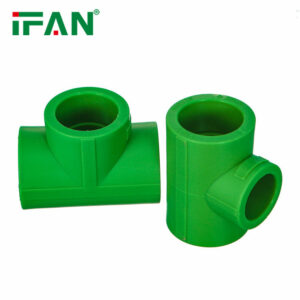


PPR Pipes for Plumbing Systems: The Ideal Solution for Reliable Water Flow
Introduction
When choosing materials for plumbing systems, PPR (Polypropylene Random Copolymer) stands out as a superior option due to its durability, corrosion resistance, and energy efficiency. Widely used in both residential and commercial plumbing, this material provides long-lasting performance and reliability. In this article, we will explore why PPR pipes are an excellent choice for modern systems and how they contribute to ensuring a smooth and efficient water supply.
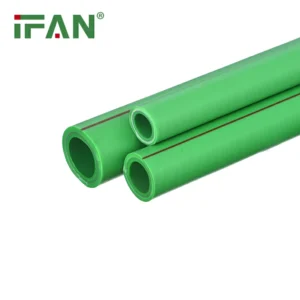
What Is PPR Pipe?
Made from polypropylene random copolymer, PPR pipe is a thermoplastic material known for its high strength, resistance to corrosion, and the ability to withstand high temperatures. These features make them ideal for a wide range of applications, from hot and cold water supply to industrial systems. With excellent resistance to mineral deposits, chemicals, and harsh substances, PPR ensures a long-lasting solution for plumbing.
Key Benefits of PPR Pipes in Plumbing Systems
1. Durability and Longevity PPR Pipes
PPR pipes offer remarkable durability compared to traditional materials. While metal pipes are prone to rust and corrosion, PPR resists wear and tear, ensuring a much longer lifespan. These pipes have a service life of up to 50 years, making them a cost-effective option for plumbing systems, significantly reducing maintenance and replacement needs.
2. Corrosion Resistance PPR Pipes
Unlike metal piping, PPR is highly resistant to rust and corrosion, which are common issues in traditional plumbing. Its natural resistance ensures that the material retains its structural integrity even in challenging environments, where metal pipes might degrade over time.
3. High Temperature and Pressure Tolerance
These pipes can handle high temperatures up to 95°C (203°F) and endure substantial pressure, making them suitable for both hot water systems and high-pressure applications. Whether it’s for a residential or industrial plumbing system, PPR delivers the necessary reliability under demanding conditions.
4. Energy Efficiency and Eco-Friendliness
PPR pipes also offer environmental benefits. They are fully recyclable, contributing to sustainability. Moreover, these pipes provide superior thermal insulation, which reduces energy consumption by preventing heat loss. The result is lower utility bills and a more efficient plumbing system.
5. Easy Installation and Low Maintenance
Installing PPR pipes is relatively simple, thanks to fusion welding, which creates secure, leak-proof joints. Since these pipes are resistant to corrosion, scaling, and wear, they require little maintenance, making them an ideal low-maintenance option for various systems.
Applications of PPR Pipes in Plumbing Systems
1. Residential Plumbing
For homeowners, PPR pipes are an excellent choice for hot and cold water supply. Their resistance to corrosion and ability to handle high temperatures make them a reliable solution for bathrooms, kitchens, and laundry areas.
2. Commercial Plumbing
In commercial buildings, including offices, hotels, and restaurants, these pipes are used to ensure a steady and secure water supply. Their durability and resistance to high temperatures make them ideal for commercial kitchens and other water-heavy environments.
3. Industrial Applications
In industries such as chemical processing and food production, PPR pipes provide reliable transport for liquids and gases. Their ability to withstand high pressure, temperature fluctuations, and exposure to chemicals makes them essential for industrial systems.
4. Agricultural and Irrigation Systems
These pipes are also widely used in irrigation systems for agriculture. Their ability to handle high pressure and resist corrosion ensures that water is distributed efficiently across farms and gardens, ensuring optimal growth for crops.
How to Install PPR Pipes
Measure and Cut: Measure and cut the PPR pipe to the required length using a pipe cutter.
Prepare the Pipes and Fittings: Clean both the pipe ends and fittings to remove dirt and dust.
Fusion Welding: Use a fusion welding tool to heat the ends of the pipe and fitting. Press the parts together to create a strong bond.
Cooling and Testing: Allow the welded joint to cool before testing the system for leaks and ensuring the pressure holds.
Conclusion
PPR pipes provide an effective, durable, and cost-efficient solution for plumbing systems. They offer unmatched corrosion resistance, high-temperature tolerance, and easy installation, making them suitable for a variety of residential, commercial, and industrial applications. With a long service life, low maintenance, and the ability to withstand tough conditions, PPR pipes are an investment that ensures reliable performance for years to come.
IFAN factory started in 1993. And IFAN has workshop 120000 square meter with 610 staff. IFAN can design and produce all plumbing pipe and fitting include PPR,PVC,CPVC PPSU HDPE PEXA PEXB PERT pipe and fitting ,brass fitting, brass ball valve ,heating system , gas system , sanitary faucets and hose, In the past 30 Years, IFAN has never forgotten his mission-To protect health and safety. And IFAN factory use best materials to produce high quality pipe and fittings with automatic production line and high tech quality control machines. The most important,IFAN can guarantee that all pipes and fittings manufactured by IFAN are qualified. More information pls feel free contact us Whatsapp.
Related products
 PPR
PPRTee
 PPR
PPRPPR Fittings
- PPR
IFAN PPR Valve