

The Environmental Benefits of Using PPR Pipes
Introduction
In today’s world, environmental sustainability is a key consideration in every sector, including construction and plumbing. PPR pipes (Polypropylene Random Copolymer) have become increasingly popular due to their numerous environmental benefits. These pipes offer a sustainable alternative to traditional materials such as copper, steel, and PVC. With their durability, energy efficiency, and recyclability, PPR pipes contribute significantly to reducing the environmental impact of plumbing systems. This article explores the environmental benefits of using PPR pipes and how they can help both homeowners and businesses make greener choices.
What Are PPR Pipes?
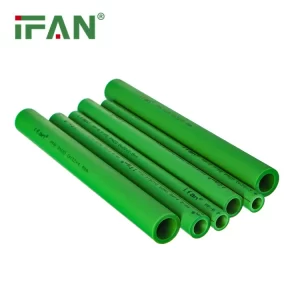
PPR pipes are made from Polypropylene Random Copolymer, a thermoplastic polymer that is lightweight, flexible, and resistant to high temperatures. They are commonly used in plumbing systems for both hot and cold water distribution, as well as for industrial and commercial fluid transport. Compared to other types of piping materials, PPR pipes stand out for their long lifespan, low environmental impact, and energy efficiency, making them an ideal choice for sustainable plumbing solutions.
Environmental Benefits of Using PPR Pipes
1. Recyclability
One of the most significant environmental advantages of PPR pipes is their recyclability. PPR pipes are made from a type of plastic that can be fully recycled at the end of its useful life. Unlike metals or other plastics, which may degrade or release harmful substances when disposed of, PPR pipes can be reused to create new products, reducing waste and conserving raw materials. The recycling of PPR pipes helps prevent landfill accumulation and reduces the need for new plastic production, contributing to a circular economy.
2. Long Lifespan
PPR pipes are highly durable and can last for over 50 years with minimal maintenance. This longevity means fewer replacements and less waste generated over time. Traditional plumbing materials, such as copper and steel, often require frequent repairs and replacements due to corrosion or wear and tear. In contrast, PPR pipes resist corrosion, chemical degradation, and scale buildup, ensuring that the pipes remain intact and fully functional for decades. Their extended lifespan helps reduce the frequency of plumbing replacements, minimizing the amount of waste generated by plumbing systems.
3. Energy Efficiency
Another key environmental benefit of PPR pipes is their energy efficiency. PPR pipes have low thermal conductivity, meaning they reduce heat loss in hot water systems. This feature is particularly important in modern homes and commercial buildings that rely on hot water for daily use. By minimizing heat loss, PPR pipes help to lower energy consumption, which in turn reduces the carbon footprint associated with heating systems.
Additionally, PPR pipes have a smooth internal surface that minimizes friction, allowing water to flow more efficiently. This results in reduced energy usage for pumps and heating systems, making PPR pipes an energy-efficient choice for sustainable plumbing solutions. Over time, this energy savings contributes to a reduction in greenhouse gas emissions and a decrease in overall environmental impact.
4. Lower Carbon Footprint
The production of PPR pipes involves less energy consumption compared to metals like copper or steel, which require mining, refining, and manufacturing processes that have a higher environmental impact. PPR pipes are manufactured using a simpler process, which requires fewer resources and results in a lower carbon footprint. Additionally, because PPR pipes are lightweight, transportation emissions are reduced, further contributing to their lower environmental impact. Choosing PPR pipes over other materials helps reduce the carbon footprint of your plumbing system, making it a more sustainable option.
5. Reduced Water Contamination
PPR pipes are non-toxic and do not release harmful chemicals into the water, unlike some PVC pipes or metal pipes that may leach heavy metals such as lead or cadmium. This ensures that the water flowing through PPR pipes remains safe for consumption and use. By using PPR pipes in drinking water systems, homeowners and businesses can avoid potential contamination risks associated with other piping materials. This contributes to healthier water quality and reduces the need for additional water treatment processes.
Conclusion
Incorporating PPR pipes into your plumbing systems offers numerous environmental benefits, from recyclability and long lifespan to energy efficiency and reduced water contamination. By choosing PPR pipes, homeowners, businesses, and industries can make a positive impact on the environment, all while enjoying a reliable and cost-effective plumbing solution. As the demand for sustainable materials continues to grow, PPR pipes are an excellent choice for anyone looking to reduce their environmental footprint and build greener systems.
Frequently Asked Questions (FAQ)
1. Are PPR pipes environmentally friendly?
Yes, PPR pipes are environmentally friendly due to their recyclability, long lifespan, and energy efficiency. They help reduce waste, conserve resources, and minimize the carbon footprint associated with plumbing systems.
2. How long do PPR pipes last?
PPR pipes can last for over 50 years with minimal maintenance, making them a durable and long-lasting solution for plumbing systems.
3. Are PPR pipes recyclable?
Yes, PPR pipes are fully recyclable at the end of their useful life, which helps reduce waste and promote a circular economy.
4. Do PPR pipes help reduce energy consumption?
Yes, PPR pipes help reduce energy consumption by minimizing heat loss in hot water systems and improving the efficiency of water flow, which lowers the energy needed for pumps and heating systems.
5. Are PPR pipes safe for drinking water?
Yes, PPR pipes are non-toxic and do not release harmful chemicals into the water, making them safe for transporting drinking water.
Connect
IFAN factory started in 1993. And IFAN has workshop 120000 square meter with 610 staff. IFAN can design and produce all plumbing pipe and fitting include PPR,PVC,CPVC PPSU HDPE PEXA PEXB PERT pipe and fitting ,brass fitting, brass ball valve ,heating system , gas system , sanitary faucets and hose, In the past 30 Years, IFAN has never forgotten his mission-To protect health and safety. And IFAN factory use best materials to produce high quality pipe and fittings with automatic production line and high tech quality control machines. The most important,IFAN can guarantee that all pipes and fittings manufactured by IFAN are qualified. More information pls feel free contact us Whatsapp.
Related products
 PPR
PPRPRR Elbow