Chemical Resistance of HDPE Elbows: Suitable for Industrial Corrosive Fluids
Introduction
In industrial applications, the ability to transport corrosive fluids safely is crucial. HDPE (High-Density Polyethylene) elbow fittings are often the go-to solution for these systems due to their exceptional chemical resistance. HDPE elbows are widely used in industries such as chemical processing, pharmaceuticals, food manufacturing, and wastewater treatment. This article explores the chemical resistance of HDPE elbows, highlighting their suitability for transporting corrosive fluids in industrial settings.
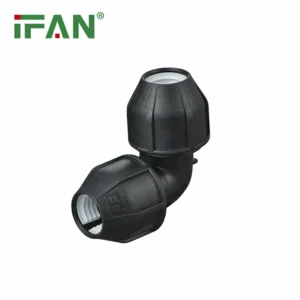
Understanding HDPE Elbow Fittings
HDPE elbows are used to change the direction of flow in pipe systems. These fittings are known for their high strength-to-density ratio, flexibility, and resistance to chemicals, making them ideal for a range of industrial applications.
Why HDPE Elbows Are Ideal for Corrosive Fluids
HDPE elbows are designed to handle harsh environments, including the transportation of aggressive chemicals. Their resistance to corrosion, abrasion, and chemicals significantly extends the lifespan of pipe systems, making them a reliable choice for industries that deal with corrosive substances.
Key Advantages of HDPE Elbows in Corrosive Fluid Systems
Durability: HDPE material is highly durable, ensuring long-term performance in corrosive environments.
Low Friction: The smooth internal surface of HDPE elbows reduces the friction of the fluid flowing through the pipes, which prevents wear and tear on both the pipes and the fitting itself.
Seamless Joints: Butt fusion welding of HDPE elbows creates a seamless joint that is virtually leak-proof and resistant to chemical infiltration.
Flexibility: HDPE elbows can be fabricated in various angles and sizes, making them suitable for complex pipe layouts, even in environments where traditional metal fittings might corrode.
Chemical Resistance Properties of HDPE Elbows
One of the primary reasons HDPE elbows are favored in chemical transport systems is their exceptional resistance to a wide range of corrosive chemicals. Below is a summary of how them perform against various chemicals:
1. Acid Resistance
HDPE elbows exhibit strong resistance to a range of acids, including sulfuric acid, hydrochloric acid, and nitric acid. While HDPE can handle diluted acid solutions at moderate concentrations, it’s important to confirm compatibility with the specific acid concentration in use.
Sulfuric Acid: HDPE elbows can withstand sulfuric acid at low to moderate concentrations without significant degradation.
Hydrochloric Acid: HDPE is resistant to hydrochloric acid, especially in diluted forms, making it suitable for various industrial applications.
2. Alkali Resistance
HDPE also performs well against alkaline substances such as sodium hydroxide and potassium hydroxide. These alkali solutions, found in cleaning agents and other industrial processes, are not a threat to the material, making them an ideal choice in such environments.
Sodium Hydroxide: They can resist sodium hydroxide up to a high concentration, offering long-term protection for systems carrying such materials.
3. Oil and Solvent Resistance
HDPE elbows are resistant to many oils and organic solvents, including diesel fuel, gasoline, and kerosene. This makes them suitable for use in industries like oil and gas, chemical processing, and automotive applications where such substances are commonly handled.
4. Resistance to Chlorine and Other Oxidizing Agents
HDPE elbows show a decent resistance to chlorine and other oxidizing agents commonly found in water treatment systems. While extreme concentrations can affect performance, they generally perform well in chlorine-rich environments.
5. Resistance to Harsh Chemicals in the Food and Pharmaceutical Industries
HDPE is a widely used material in the food and pharmaceutical industries because it is resistant to most food acids, alkalines, and solvents used in the manufacturing processes. They provide excellent durability and reliability when handling chemical substances in these sectors.
Temperature and Pressure Considerations
While HDPE elbows exhibit strong chemical resistance, it’s important to consider both temperature and pressure limits when using them in industrial applications.
Temperature Resistance: HDPE has a maximum continuous operating temperature of around 60°C (140°F), although some specialized grades can handle temperatures up to 80°C (176°F). For processes involving high temperatures, special high-temperature grades of HDPE should be used.
Pressure Resistance: The pressure ratings of them depend on the size, wall thickness, and installation type. They can typically handle pressures ranging from 150 to 250 PSI, which is sufficient for most chemical transport applications.
Installation and Maintenance of HDPE Elbows
Installation Process
Proper installation is key to ensuring the longevity and chemical resistance of HDPE elbow fittings. The butt fusion welding method is typically used to join HDPE elbows, which ensures that the weld is seamless and provides superior strength. During installation, it is crucial to:
Ensure proper alignment of the pipe and fitting during welding.
Use the correct fusion parameters to avoid overheating or underheating the materials.
Maintenance Tips HDPE Elbow Fittings
To maintain the chemical resistance and functionality of them over time:
Regularly inspect the piping system for signs of wear, leakage, or pressure issues.
Clean the system periodically to remove any chemical buildup or residues inside the pipes that might reduce the flow efficiency.
Conclusion
HDPE elbows are a top choice for industries that need to transport corrosive fluids safely and efficiently. Their excellent chemical resistance, durability, and cost-effectiveness make them ideal for a wide range of industrial applications. When properly installed and maintained, they ensure a long-lasting, leak-free connection that can handle even the most aggressive chemicals.
IFAN factory started in 1993. And IFAN has workshop 120000 square meter with 610 staff. IFAN can design and produce all plumbing pipe and fitting include PPR,PVC,CPVC PPSU HDPE PEXA PEXB PERT pipe and fitting ,brass fitting, brass ball valve ,heating system , gas system , sanitary faucets and hose, In the past 30 Years, IFAN has never forgotten his mission-To protect health and safety. And IFAN factory use best materials to produce high quality pipe and fittings with automatic production line and high tech quality control machines. The most important,IFAN can guarantee that all pipes and fittings manufactured by IFAN are qualified. More information pls feel free contact us Whatsapp.
Related products
 Uncategorized
PPR Fittings: Unlocking the Potential of Modern Plumbing
- Uncategorized
PPR Fittings
- Uncategorized
PPR Pipe Fittings
- Uncategorized
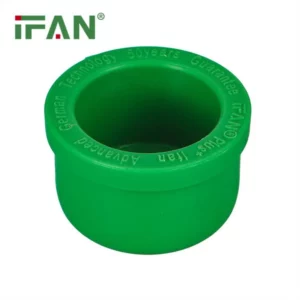
IFAN PPR End Cap