The Complete Guide to PEX Reduce Sockets: Efficient Size Transition Solutions
PEX plumbing systems often require smooth transitions between different pipe sizes to maintain optimal flow characteristics and system efficiency. PEX reduce sockets provide the ideal solution for connecting PEX pipes of different diameters while ensuring reliable, leak-proof performance. These specialized fittings enable seamless size transitions while maintaining the flexibility and durability that make PEX systems so valuable. Whether you’re working on residential plumbing, hydronic heating, or industrial applications, understanding PEX reduce sockets is essential for creating efficient and reliable piping networks.
The design of PEX reduce sockets addresses the critical need for proper flow management when connecting different pipe sizes. Manufactured from high-quality brass or certified polymers, these fittings feature a larger socket on one end and a smaller socket on the opposite end, allowing for smooth transitions between pipe diameters. Moreover, their compatibility with various PEX connection methods makes them versatile for different installation requirements. Consequently, these reduce sockets have become essential components in modern PEX plumbing systems.
This comprehensive guide examines PEX reduce sockets from multiple perspectives, covering design features, installation techniques, selection criteria, and maintenance considerations to help you make informed decisions for your projects.
Understanding PEX Reduce Sockets
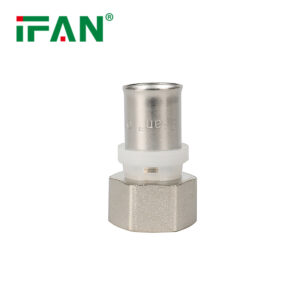
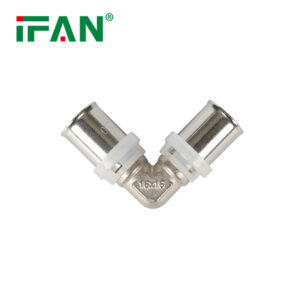
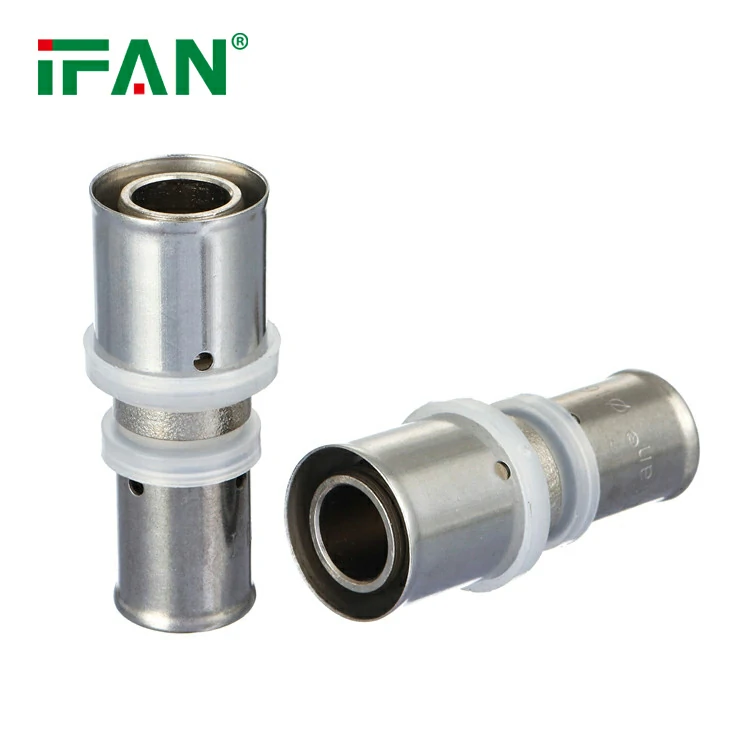
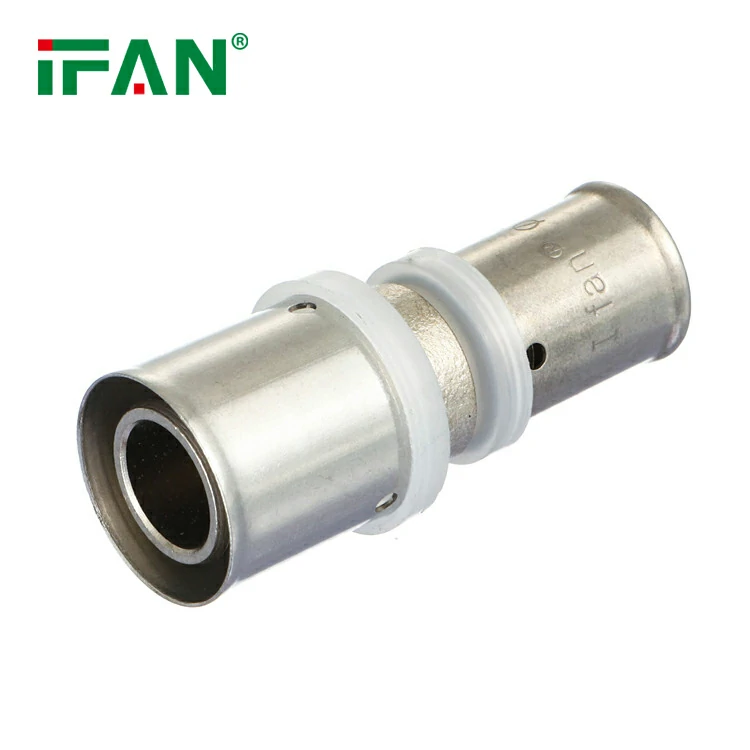
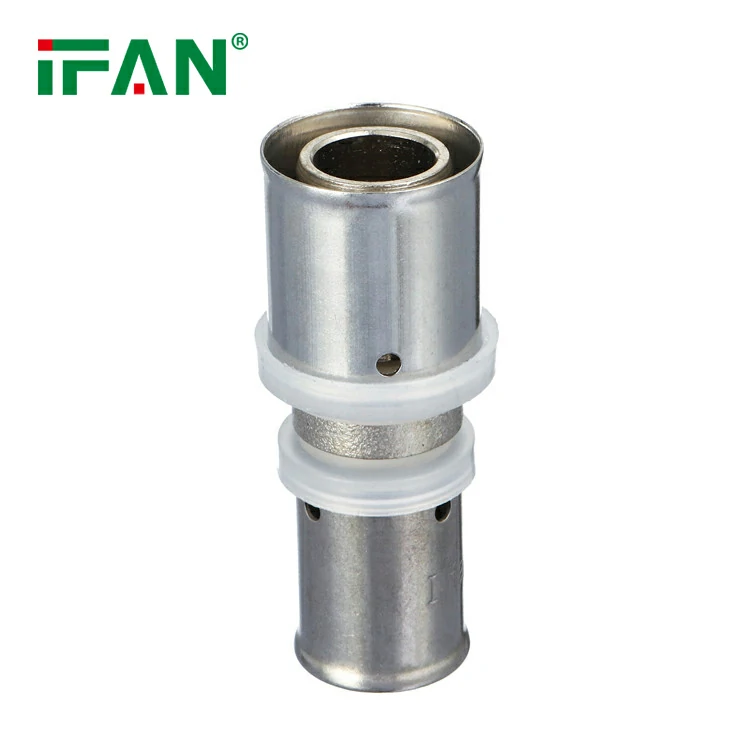
PEX reduce sockets are transition fittings designed to connect two PEX pipes of different diameters seamlessly. These fittings feature a larger connection on one end and a smaller connection on the opposite end, creating a smooth internal transition that minimizes flow disruption and pressure loss. Typically manufactured from dezincification-resistant brass or engineering-grade polymers, PEX reduce sockets maintain the durability and reliability required for modern plumbing systems while providing essential size transition functionality.
The precision engineering of these sockets ensures gradual internal diameter changes that prevent turbulence and maintain flow efficiency. The larger end accommodates the bigger pipe size, while the smaller end connects to the smaller diameter pipe, creating a cohesive transition that maintains system integrity. Additionally, most reduce sockets are designed with specific connection methods in mind, such as crimp, clamp, expansion, or push-to-connect systems, ensuring compatibility with various PEX installation approaches.
Key Advantages of PEX Reduce Sockets
The specialized design offers multiple significant benefits:
Smooth Flow Transition: Gradual internal diameter changes minimize turbulence
Pressure Maintenance: Optimized design reduces pressure drop at size transitions
Easy Installation: Compatible with standard PEX connection methods
Corrosion Resistance: Brass fittings resist degradation and scaling
Temperature Tolerance: Suitable for both hot and cold water applications
Versatile Applications: Useful in plumbing, heating, and industrial systems
Space Efficiency: Compact design fits in tight spaces
Long Service Life: Durable construction ensures reliable performance
Professional Installation Guidelines
Proper installation ensures optimal performance and system integrity:
Preparation Phase:
Pipe Cutting: Cut PEX pipes square using dedicated PEX cutters
End Preparation: Remove all burrs and ensure clean, smooth cut ends
Size Verification: Confirm both pipe sizes match the reduce socket
Fitting Inspection: Check reduce socket for damage or defects
Connection Methods:
For Crimp Systems:
Fitting Insertion: Insert reduce socket fully into both pipe ends
Ring Placement: Position copper crimp rings properly
Crimping: Use calibrated crimping tool for secure connections
Verification: Check all crimps with go/no-go gauge
For Expansion Systems:
Tube Expansion: Expand both pipe ends using expansion tool
Quick Connection: Insert fitting into expanded pipes immediately
Contraction Wait: Allow shape memory to secure connections
Setting Time: Wait recommended time before pressure testing
Available Configurations
Multiple options accommodate different application needs:
Connection Types: Crimp, clamp, expansion, and push-fit versions
Material Options: DZR brass or certified engineering polymers
Size Combinations: Various reducing ratios available
Pressure Ratings: Standard and high-pressure versions
Application Specific: Plumbing, heating, and industrial grades
Selection Considerations
Key factors for optimal fitting selection:
Size Requirements: Exact match to both pipe diameters
Connection Method: Compatibility with your PEX system
Material Quality: Brass for durability or polymer for cost-effectiveness
Pressure Rating: Suitable for system operating pressure
Temperature Rating: Appropriate for application temperatures
Certifications: NSF/ANSI 61, NSF/ANSI 372 certifications
Brand Compatibility: Ensure system component compatibility
Application Environment: Consider chemical exposure needs
Frequently Asked Questions
Q: Can reduce sockets be used for both hot and cold water?
A: Yes, they are certified for both hot and cold potable water applications.
Q: Are there flow restrictions with reduce sockets?
A: High-quality reduce sockets are designed to minimize flow disruption.
Q: Can I use reduce sockets in radiant heating systems?
A: Yes, they are suitable for hydronic heating applications.
Q: Do I need special tools for installation?
A: Each connection method requires specific calibrated tools.
Q: Are reduce sockets reusable?
A: Most types are not reusable once installed.
Common Applications
Essential for numerous scenarios:
Fixture Connections: Reducing from main lines to fixture supplies
System Modifications: Adapting existing pipes to new sizes
Equipment Connections: Matching different size connections
Flow Control: Managing flow rates through size reduction
Space Constraints: Fitting in tight spaces where size changes are needed
System Upgrades: Connecting new piping to existing systems
Maintenance Best Practices
Ensure long-term performance:
Proper Support: Provide adequate piping support near transitions
Accessibility: Install in accessible locations when possible
Pressure Testing: Always test system after installation
Visual Inspection: Regularly check for leaks or corrosion
System Flushing: Include in routine maintenance schedules
Quality Assurance: Use manufacturer-recommended tools
Conclusion: Efficient Size Transition Solutions
PEX reduce sockets provide essential functionality for creating smooth, efficient transitions between different pipe sizes in PEX systems. Their precision engineering ensures reliable performance while maintaining flow characteristics and system pressure. Furthermore, their compatibility with various connection methods makes them versatile for numerous applications.
By selecting quality PEX reduce sockets and following proper installation practices, you ensure system reliability, maintain flow efficiency, and prevent potential issues at size transitions. Therefore, careful selection and correct installation become crucial for optimal system performance. Ultimately, these components represent a valuable investment in plumbing system integrity and efficiency.
IFAN factory started in 1993. And IFAN has workshop 120000 square meter with 610 staff. IFAN can design and produce all plumbing pipe and fitting include PPR,PVC,CPVC PPSU HDPE PEXA PEXB PERT pipe and fitting ,brass fitting, brass ball valve ,heating system , gas system , sanitary faucets and hose, In the past 30 Years, IFAN has never forgotten his mission-To protect health and safety. And IFAN factory use best materials to produce high quality pipe and fittings with automatic production line and high tech quality control machines. The most important,IFAN can guarantee that all pipes and fittings manufactured by IFAN are qualified. More information pls feel free contact us Whatsapp.
Related products

- Brass Fitting
IFAN Brass Fitting
- Compression Fitting
IFAN PEX Compression Fitting