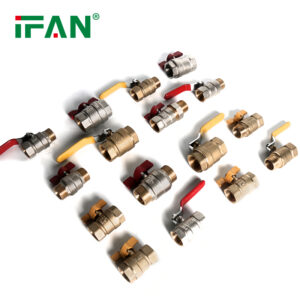
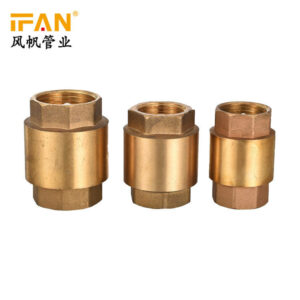
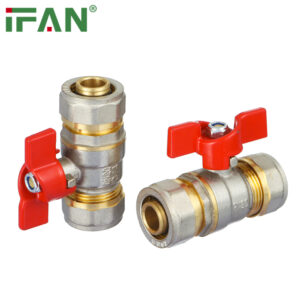
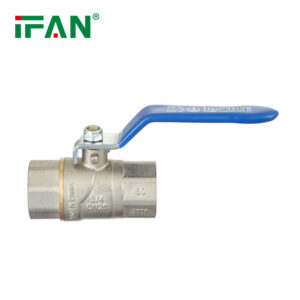
Brass Water Valve: A Cornerstone of Modern Fluid Control Systems
Brass water valves have long been the preferred choice for regulating fluid flow in residential, industrial, and municipal applications. Their combination of mechanical strength, corrosion resistance, and cost-effectiveness makes them indispensable in systems requiring reliable performance under varying pressures and temperatures. This article explores their technical evolution, challenges in harsh environments, and cutting-edge innovations reshaping the industry.
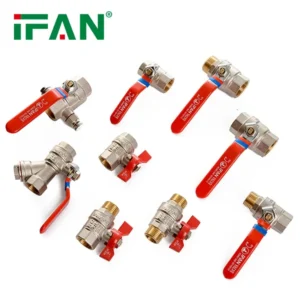
1. Technical Foundations: Why Brass Dominates
Brass, an alloy of copper (55–70%) and zinc (30–45%), is engineered for water valves due to:
- Thermal Conductivity: Copper’s high conductivity (401 W/m·K) enables efficient heat dissipation, preventing valve seizure in hot water systems.
- Machinability: Brass’s low friction coefficient allows precision machining of internal components (e.g., ball seats, stems), reducing leakage risks.
- Lead-Free Compliance: Modern grades like CW602N (UNS C38500) contain <0.25% lead, meeting NSF/ANSI 61 and EU RoHS for potable water.
Valve Designs for Diverse Needs:
- 2-Piece Ball Valves: Ideal for residential plumbing, with PTFE seats rated for 1 million cycles at 20 bar.
- 3-Piece Ball Valves: Feature replaceable seats and stems, reducing downtime in industrial pipelines (e.g., chemical processing).
- Diaphragm Valves: Used in water treatment plants, with EPDM diaphragms resistant to chlorine and ozone.
2. Performance Under Pressure: Engineering Limits
Brass valves are tested to withstand extreme conditions:
- High-Pressure Systems: Valves rated for 40 bar (e.g., Apollo Conbraco’s Series 70) are used in fire sprinkler networks and boiler feed lines.
- Low-Temperature Resilience: PTFE-seated valves operate down to -20°C, preventing brittleness in cold climates.
- Flow Dynamics: A 2-inch brass ball valve achieves a Cv of 120, enabling 720 L/min flow at 1 bar differential.
Case Study:
In Dubai’s Jebel Ali Power Plant, brass gate valves regulate seawater cooling systems at 25 bar and 45°C, withstanding sandy particulates without seat erosion for over 10 years.
3. Challenges in Aggressive Environments
Despite their robustness, brass valves face threats:
- Dezincification: In saline or acidic water, zinc leaches from the alloy, causing porosity. Mitigation: Use CZ121 (CW614N) brass with 1% arsenic to inhibit corrosion.
- Erosion-Corrosion: High-velocity water (e.g., >3 m/s) wears seats. Solution: Upgrade to tungsten carbide-coated balls (e.g., Flowserve’s Durco MX).
- Thermal Fatigue: Repeated cycling between hot and cold water induces cracks. Prevention: Install bimetallic stems to accommodate expansion.
4. Innovations Driving the Next Generation
A. Smart Valve Technology
IoT-enabled brass valves integrate sensors for real-time monitoring:
- Pressure Transducers: Detect leaks by measuring drops >0.5 bar/hour (e.g., Siemens’ Actuator Valves).
- Wireless Connectivity: Valves communicate via LoRaWAN to cloud platforms, reducing maintenance costs by 30% (per 2022 IBM study).
B. Sustainable Materials
- Biodegradable Lubricants: Replacing petroleum-based greases with vegetable-oil coatings reduces environmental impact.
- Recycled Brass: Firms like Nibco use 95% post-consumer scrap, cutting CO₂ emissions by 60% per valve.
C. Additive Manufacturing
3D printing enables complex geometries:
- Honeycomb Structures: Reduce weight by 40% while maintaining pressure ratings (e.g., GE Additive’s M2 Series).
- On-Demand Production: Localized 3D printing cuts lead times from 12 weeks to 72 hours for spare parts.
5. Regional Market Dynamics
- Asia-Pacific: China’s “Sponge Cities” initiative (2023–2030) invests $120 billion in stormwater management, driving demand for brass floodgate valves.
- Europe: The EU Water Framework Directive mandates 20% reduction in non-revenue water by 2025, accelerating retrofits of aging valves.
- North America: The U.S. Infrastructure Bill (2021) allocates $55 billion to water systems, prioritizing lead-free brass valves in school renovations.
6. Future Trends
- Nano-Coatings: Graphene oxide layers could extend valve lifespan to 30+ years by repelling biofilms and scaling.
- AI-Powered Predictive Maintenance: Machine learning analyzes valve vibration data to predict failures 6 months in advance.
- Modular Designs: Valves with interchangeable actuators (pneumatic, electric, solar) adapt to off-grid rural areas.
7. Conclusion
Brass water valves remain vital to global water infrastructure, balancing tradition with innovation. As industries confront climate change and resource scarcity, advancements in smart technology, sustainable materials, and additive manufacturing will redefine their role. From smart cities to remote farms, brass valves will continue to ensure safe, efficient, and eco-friendly fluid control for decades to come.
IFAN factory started in 1993. And IFAN has workshop 120000 square meter with 610 staff. IFAN can design and produce all plumbing pipe and fitting include PPR,PVC,CPVC PPSU HDPE PEXA PEXB PERT pipe and fitting ,brass fitting, brass ball valve ,heating system , gas system , sanitary faucets and hose, In the past 30 Years, IFAN has never forgotten his mission-To protect health and safety. And IFAN factory use best materials to produce high quality pipe and fittings with automatic production line and high tech quality control machines. The most important,IFAN can guarantee that all pipes and fittings manufactured by IFAN are qualified. More information pls feel free contact us Whatsapp.
Related products
 Ball Valve
IFAN Brass Ball Valve
- Brass Valve
IFAN Brass Check Valve
- Ball Valve
IFAN Butterfly Valve
- Ball Valve
IFAN Brass Ball Valve