

PP Pipe Fittings: Durable, Versatile, and Cost-Effective Solutions for Modern Plumbing
1. Introduction to PP Pipe Fittings
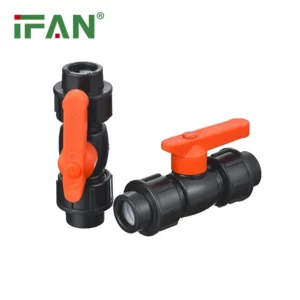
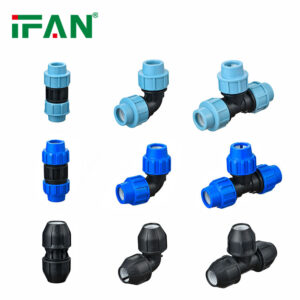
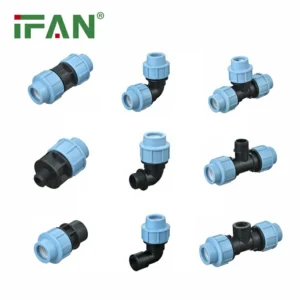
PP (Polypropylene) pipe fittings are essential components in plumbing systems, designed to connect, redirect, or terminate polypropylene pipes. Known for their chemical resistance, lightweight construction, and affordability, these fittings are widely used in residential, commercial, and industrial applications. Available in various configurations—such as elbows, tees, couplings, and reducers—PP fittings ensure leak-proof, reliable connections for water, gas, and chemical transport.
2. Key Features & Advantages
- Material Durability:
- Made from homopolymer (PP-H) or random copolymer (PP-R) polypropylene, offering high tensile strength and impact resistance.
- Withstands temperatures up to 100°C (PP-R) and pressures up to PN20 (20 bar), suitable for hot and cold water systems.
- Corrosion & Chemical Resistance:
- Immune to rust, scaling, and chemical degradation, making it ideal for aggressive fluids (e.g., acids, salts).
- Maintains integrity in humid or underground environments where metal fittings fail.
- Lightweight & Easy Installation:
- Weighs 40% less than steel fittings, reducing transportation and labor costs.
- Designed for socket fusion, butt welding, or push-fit connections, eliminating the need for specialized tools.
- Cost-Effectiveness:
- Lower material and installation costs compared to stainless steel or copper fittings.
- Minimal maintenance required, extending system lifespan to 50+ years.
3. Technical Specifications
| Feature | Details |
|---|---|
| Material Types | PP-H (homopolymer), PP-R (random copolymer), PP-RCT (crystalline temperature-resistant). |
| Size Range | DN15 to DN1200 (standard), customizable for large-scale projects. |
| Temperature Rating | -20°C to +100°C (PP-R); higher for specialized PP-RCT variants. |
| Pressure Rating | PN10-PN25 (10-25 bar), depending on material grade. |
| Connection Types | Socket fusion, electrofusion, compression fittings, or flanged joints. |
| Certifications | ISO 15874, ASTM D2774, NSF/ANSI 61, WRAS, ensuring global compliance. |
4. Types of PP Pipe Fittings
| Type | Description | Best For |
|---|---|---|
| Elbows (90°/45°) | Redirects pipe flow at 90° or 45° angles. | Space-constrained installations (e.g., walls, corners). |
| Tees | Splits flow into two directions (equal or reduced tees). | Water distribution systems, irrigation. |
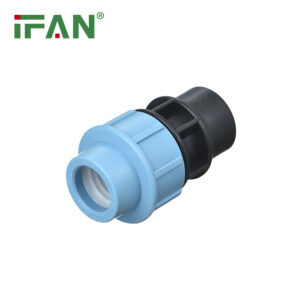
| Couplings | Connects two pipes of the same diameter. | Straight-line extensions, repairs. |
| Reducers | Joins pipes of different diameters (concentric/eccentric). | Upgrading old systems, industrial piping. |
| End Caps | Seals pipe ends to prevent contamination or pressure loss. | Temporary closures, system maintenance. |
| Flange Adapters | Connects PP pipes to metal valves or pumps via bolted flanges. | Industrial applications requiring modular design. |
5. Applications Across Industries
- Residential Plumbing:
- Used in kitchen/bathroom piping, hot water systems, and rainwater harvesting.
- Preferred for eco-friendly homes due to recyclability and energy efficiency.
- Commercial Buildings:
- Facilitates water supply in hotels, hospitals, and offices with low-noise operation.
- Reduces downtime via quick push-fit installations.
- Industrial & Agricultural Use:
- Transports chemicals, slurries, and compressed air in factories and farms.
- Withstands UV exposure in outdoor irrigation systems.
- Municipal Infrastructure:
- Deployed in sewage networks, drainage systems, and potable water distribution.
6. Why Choose PP Over Traditional Materials?
- Environmental Sustainability:
- 100% recyclable, reducing plastic waste in landfills.
- Lower carbon footprint compared to metal production.
- Safety & Compliance:
- Non-toxic material ensures water purity, critical for drinking water systems.
- Meets EN 1452 and ASTM standards for potable water applications.
- Economic Benefits:
- Reduces installation time by 50% via push-fit or socket fusion methods.
- Eliminates corrosion-related repairs, saving $10,000+ over a decade.
7. Installation Best Practices
- Proper Cutting: Use a fine-toothed saw or pipe cutter to ensure clean, square ends.
- Deburring: Remove internal/external burrs to prevent flow restrictions.
- Heating & Fusion: For socket fittings, heat pipes and fittings to 260°C before joining.
- Alignment: Use a spirit level to keep pipes straight during assembly.
- Cooling Time: Allow fused joints to cool for 5-10 minutes before handling.
8. Case Study: Industrial Chemical Plant Upgrade
Project: Retrofitting a chemical plant’s piping system with PP-R fittings.
- Challenge: Replace corroded steel fittings leaking toxic chemicals.
- Solution: Installed PP-R flange adapters and reducers with electrofusion joints.
- Results:
- Zero leaks in 24 months of operation.
- 40% cost savings vs. stainless steel alternatives.
- Compliance with OSHA safety standards for chemical transport.
9. Conclusion
PP pipe fittings offer a reliable, eco-friendly, and cost-effective solution for modern plumbing systems. Their resistance to corrosion, chemicals, and high temperatures makes them ideal for diverse applications, from residential homes to heavy-duty industrial projects.
IFAN factory started in 1993. And IFAN has workshop 120000 square meter with 610 staff. IFAN can design and produce all plumbing pipe and fitting include PPR,PVC,CPVC PPSU HDPE PEXA PEXB PERT pipe and fitting ,brass fitting, brass ball valve ,heating system , gas system , sanitary faucets and hose, In the past 30 Years, IFAN has never forgotten his mission-To protect health and safety. And IFAN factory use best materials to produce high quality pipe and fittings with automatic production line and high tech quality control machines. The most important,IFAN can guarantee that all pipes and fittings manufactured by IFAN are qualified. More information pls feel free contact us Whatsapp.
Related products
 PP&PE
PP&PEHDPE Ball Valve
- PP Fitting 601
IFAN HDPE Pipe Fittings
 PP&PE
PP&PESaddle Clamp
- PP Fitting 601
IFAN HDPE Pipe Fitting