The Complete Guide to Plastic PPR Pipes: Modern Plumbing Excellence
Plastic PPR pipes represent a significant advancement in plumbing technology, offering exceptional performance for hot and cold water systems. Manufactured from polypropylene random copolymer, these pipes combine durability, safety, and installation efficiency that surpasses traditional plumbing materials. Whether you’re working on residential projects, commercial buildings, or industrial applications, understanding plastic PPR pipes is crucial for creating reliable, long-lasting plumbing systems.
The unique properties of PPR material make it ideal for modern plumbing applications. Unlike metal pipes that corrode over time or other plastics with temperature limitations, PPR maintains integrity across a wide temperature range while resisting chemical degradation. Moreover, the thermal fusion joining method creates seamless, leak-proof connections that become permanent parts of the system. Consequently, plastic PPR pipes have become the preferred choice for plumbing professionals seeking reliable, maintenance-free solutions.
Understanding Plastic PPR Pipes
Plastic PPR pipes are thermoplastic pressure pipes made from Type 3 polypropylene random copolymer. This material structure provides superior impact resistance and thermal stability compared to standard polypropylene. The pipes feature a smooth interior surface that minimizes flow resistance and prevents scale buildup, ensuring consistent water quality and pressure throughout their service life.
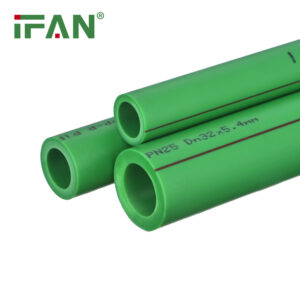
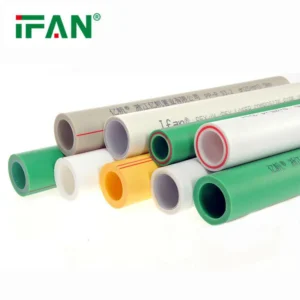
Available in various diameters and pressure ratings, plastic PPR pipes are color-coded for easy identification—typically green for hot water and white for cold water applications. The material’s excellent thermal properties allow continuous operation at temperatures up to 95°C (203°F), making them suitable for both plumbing and heating systems. Their lightweight nature simplifies handling and installation, while the corrosion-resistant properties ensure decades of reliable performance.
Key Advantages of Plastic PPR Pipes
The PPR material offers numerous significant benefits:
Corrosion Resistance: Immune to rust, electrolytic corrosion, and chemical degradation
Scale Prevention: Smooth interior prevents mineral buildup
Thermal Efficiency: Low thermal conductivity reduces heat loss
High Temperature Tolerance: Suitable for hot water up to 95°C
Long Service Life: 50+ years of reliable performance
Environmental Safety: Non-toxic and recyclable material
Energy Efficient: Reduced heat loss saves energy costs
Quiet Operation: Dampens water flow noise effectively
Easy Installation: Simple thermal fusion process
Low Maintenance: Virtually maintenance-free operation
Professional Installation Guidelines
Preparation Steps:
Pipe Cutting: Use dedicated PPR cutters for square cuts
Surface Cleaning: Remove burrs and clean pipe ends thoroughly
Depth Marking: Mark insertion depth using fitting as reference
Equipment Check: Verify welding machine temperature setting
Thermal Fusion Process:
Heating: Simultaneously heat pipe end and fitting socket to 260°C
Connection: Quickly join components without rotation
Cooling: Allow natural cooling without disturbance
Inspection: Check for proper bead formation
System Considerations:
Support Spacing: Install hangers at recommended intervals
Expansion Compensation: Allow for thermal movement
Insulation: Apply where required for temperature maintenance
Pressure Testing: Conduct before concealment
Selection Criteria
Choose the right PPR pipe by considering:
Pressure Rating: PN10, PN16, or PN20 based on system requirements
Temperature Needs: Verify maximum operating temperature
Pipe Size: Match to flow requirements and system design
Quality Certifications: NSF, WRAS, ISO certifications
Material Quality: Virgin PPR without recycled content
Application Type: Potable water, heating, or industrial use
Environmental Factors: UV exposure for outdoor applications
Technical Specifications
Pressure Rating: 10-20 bar (145-290 PSI)
Temperature Range: -10°C to 95°C (14°F to 203°F)
Thermal Expansion: 0.15 mm/m°C
Thermal Conductivity: 0.24 W/mK
Size Range: DN20 to DN160 (¾” to 6″)
Standards: ISO 15874, ASTM F2389
Applications
Plastic PPR pipes are ideal for:
Residential Plumbing: Complete water distribution systems
Commercial Buildings: Large-scale water distribution
Hot Water Systems: Domestic and commercial applications
Heating Systems: Radiators and underfloor heating
Industrial Uses: Process water and cooling systems
Public Facilities: Schools, hospitals, government buildings
Maintenance Best Practices
Ensure long-term performance through:
Proper Storage: Protect from UV exposure before installation
Quality Installation: Use trained technicians and proper equipment
System Monitoring: Regular checks of exposed sections
Water Quality: Maintain proper water chemistry
Record Keeping: Document installation details
Preventive Measures: Insulate in freeze-prone areas
Conclusion
Plastic PPR pipes provide an exceptional solution for modern plumbing needs, offering reliability, efficiency, and long-term performance. Their corrosion resistance, thermal stability, and easy installation make them superior to traditional plumbing materials. By choosing quality PPR pipes and following proper installation practices, you ensure a plumbing system that will deliver decades of trouble-free service.
IFAN factory started in 1993. And IFAN has workshop 120000 square meter with 610 staff. IFAN can design and produce all plumbing pipe and fitting include PPR,PVC,CPVC PPSU HDPE PEXA PEXB PERT pipe and fitting ,brass fitting, brass ball valve ,heating system , gas system , sanitary faucets and hose, In the past 30 Years, IFAN has never forgotten his mission-To protect health and safety. And IFAN factory use best materials to produce high quality pipe and fittings with automatic production line and high tech quality control machines. The most important,IFAN can guarantee that all pipes and fittings manufactured by IFAN are qualified. More information pls feel free contact us Whatsapp.
Related products