PP Ball Valve: The Complete Guide to Polypropylene Ball Valves
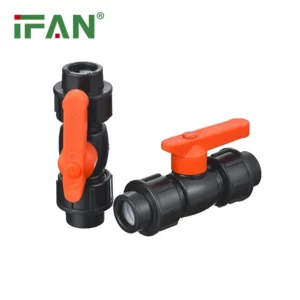
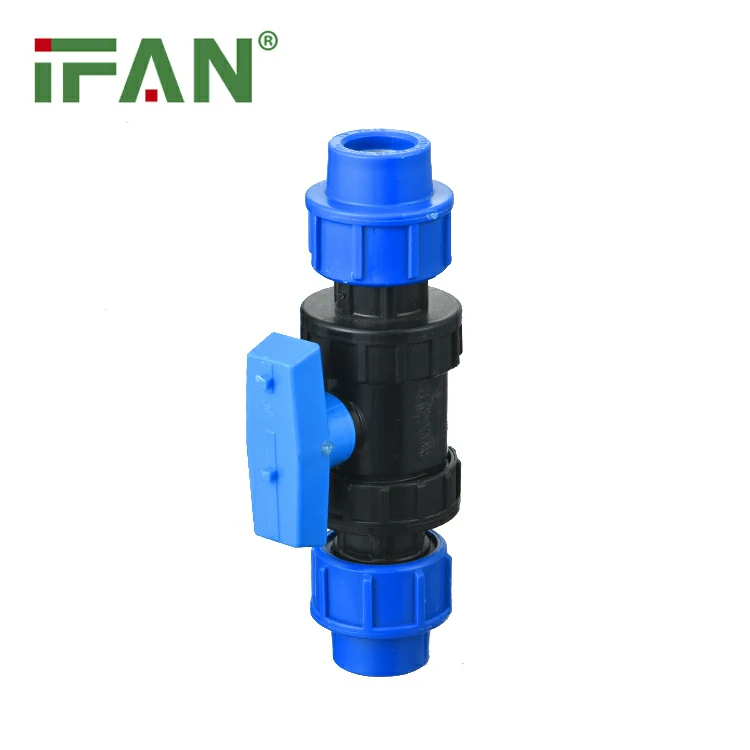
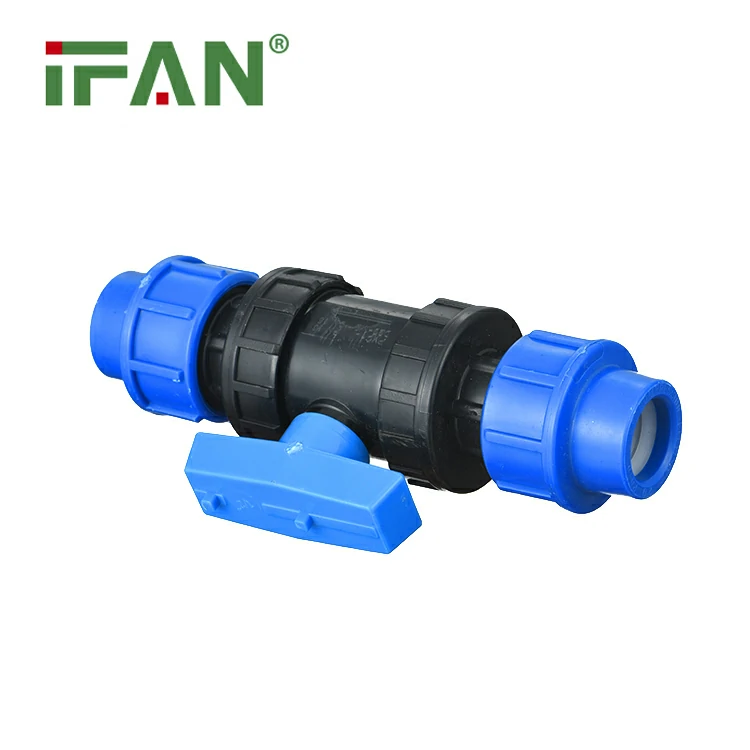
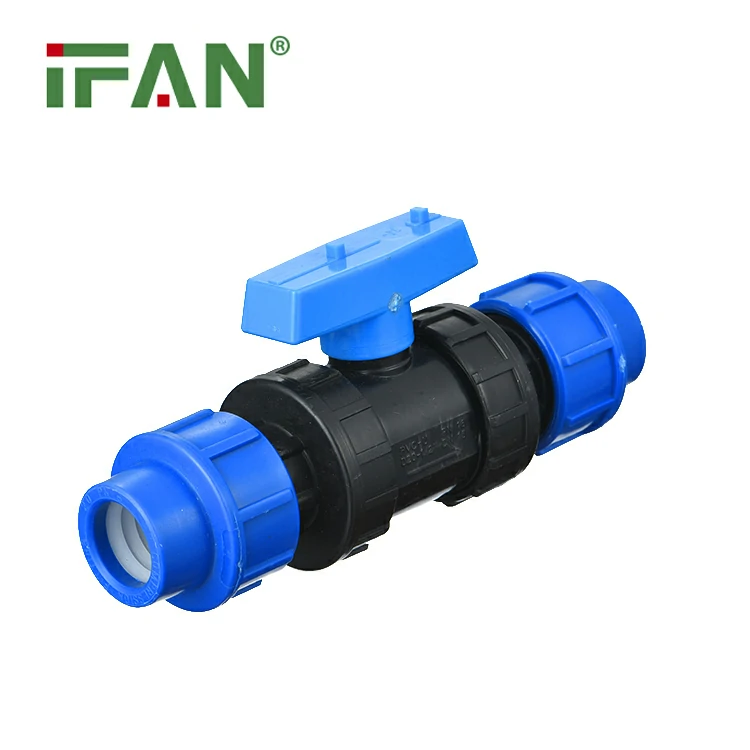
PP ball valves are essential flow control devices made from polypropylene plastic, designed to regulate and shut off fluid flow in piping systems. These valves feature a rotating ball with a bore through its center that aligns with the flow path when open and perpendicular when closed. Their simple quarter-turn operation makes them ideal for applications requiring quick and reliable flow control in chemical processing, water treatment, irrigation, and industrial fluid handling systems.
The primary advantage of PP ball valves lies in their exceptional chemical resistance, making them suitable for handling corrosive acids, alkalis, and solvents. Their smooth internal surface minimizes pressure drop and prevents scaling or contamination. These valves offer bubble-tight shutoff capabilities when properly specified and installed. Being constructed of polypropylene, they are lightweight, non-corrosive, and generally more cost-effective than metal alternatives while providing reliable service in moderate temperature and pressure applications.
Key Product Specifications
When selecting a PP ball valve, several critical specifications require consideration. Size range typically spans from DN15 to DN150 (½” to 6″), with pressure ratings usually designated as PN10 or PN16. Temperature resistance generally ranges from -10°C to 80°C, depending on the specific polypropylene compound. Connection types include threaded (BSPP/NPT), socket fusion, or flanged ends. Ball valve types encompass standard full-port, reduced-port, multi-port, and actuated versions for automated control systems.
Proper Installation and Maintenance
Correct installation ensures optimal performance and longevity of PP ball valves. For socket fusion connections, use proper PP welding equipment and follow manufacturer’s temperature and heating time guidelines. For threaded connections, employ PTFE tape or appropriate sealant compatible with polypropylene. Always support the pipeline properly to avoid stress on the valve body. During operation, open and close the valve completely rather than using it for flow modulation to prevent erosion and premature wear. For maintenance, periodically check for leaks and operate the valve through its full cycle to maintain proper function.
Conclusion
PP ball valves represent an excellent solution for flow control in corrosive and chemical applications where metal valves would fail. Their combination of chemical resistance, reliable bubble-tight shutoff, and easy operation makes them a preferred choice across numerous industries. Proper selection based on chemical compatibility, pressure-temperature ratings, and correct installation practices ensure long service life and reliable performance in demanding applications.
IFAN factory started in 1993. And IFAN has workshop 120000 square meter with 610 staff. IFAN can design and produce all plumbing pipe and fitting include PPR,PVC,CPVC PPSU HDPE PEXA PEXB PERT pipe and fitting ,brass fitting, brass ball valve ,heating system , gas system , sanitary faucets and hose, In the past 30 Years, IFAN has never forgotten his mission-To protect health and safety. And IFAN factory use best materials to produce high quality pipe and fittings with automatic production line and high tech quality control machines. The most important,IFAN can guarantee that all pipes and fittings manufactured by IFAN are qualified. More information pls feel free contact us Whatsapp.
Related products
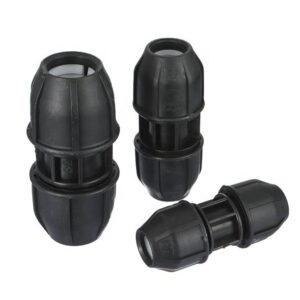
 PP Fitting 603
IFAN PE Fitting
- PP&PE
HDPE Ball Valve
- HDPE pipe
IFAN HDPE Pipe
- HDPE pipe
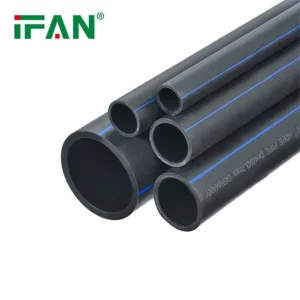
HDPE Pipe