The Advantages of Using PPR Stop Valves in Modern Plumbing Solutions
PPR stop valves have become a go-to choice in modern plumbing systems, offering a range of benefits that enhance efficiency, durability, and sustainability. As an essential component in controlling water flow, these valves provide homeowners, plumbers, and engineers with a reliable solution for both residential and commercial applications. In this article, we’ll explore the key advantages of using PPR stop valves in modern plumbing solutions.

What is a PPR Stop Valve?
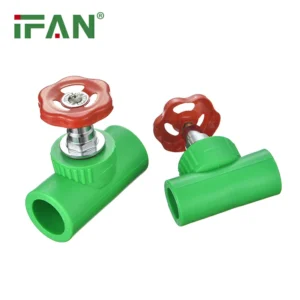
Before diving into the advantages, it’s essential to understand what a PPR stop valve is. PPR, or Polypropylene Random Copolymer, is a durable, corrosion-resistant plastic material widely used in plumbing fittings. PPR stop valves are designed to control the flow of water by opening or closing a passage. They are commonly used in both domestic and commercial plumbing systems for regulating water flow to specific areas.
1. Durability and Longevity
One of the primary advantages of using PPR stop valves is their remarkable durability. Unlike metal valves, which are prone to rust, corrosion, and wear over time, PPR stop valves are made from polypropylene, a material known for its strength and resistance to chemical reactions. This means that PPR valves are less likely to fail due to corrosion, making them an excellent choice for long-term use.PPR stop valves are also highly resistant to pressure changes, temperature fluctuations, and external physical damage. Whether used in high-pressure systems or under extreme temperatures, PPR stop valves maintain their integrity and continue to function optimally.
2. Corrosion Resistance
PPR stop valves are highly resistant to corrosion, unlike their metal counterparts, which are susceptible to rust and corrosion when exposed to water and air. Over time, rust can clog water lines, impairing the efficiency of the system and increasing maintenance costs. PPR stop valves eliminate this risk, ensuring a smooth flow of water without the need for frequent repairs or replacements.The corrosion resistance of PPR stop valves makes them ideal for both fresh and wastewater systems. This feature is especially valuable in areas with hard water or those prone to high humidity levels, where traditional metal valves would suffer from rapid degradation.
3. Cost-Effective Solution
Another significant advantage of PPR stop valves is their cost-effectiveness. PPR is an affordable material compared to metals like brass or stainless steel, which are commonly used in traditional valves. This price difference makes PPR stop valves a more budget-friendly option for plumbing projects.Additionally, PPR stop valves require minimal maintenance, further reducing long-term operational costs. Unlike metal valves, which may need frequent repairs due to rust and other issues, PPR valves provide a reliable and low-maintenance solution. This cost-saving benefit is particularly important for both small-scale residential projects and large-scale commercial plumbing systems.
4. Ease of Installation
PPR stop valves are incredibly easy to install, making them an excellent choice for both DIY projects and professional installations. They are typically joined using heat fusion or welding techniques, which create strong, leak-proof connections without the need for additional sealing materials or adhesives.The lightweight nature of PPR valves also simplifies the installation process, as they are easier to handle and maneuver compared to heavy metal valves. This ease of installation results in reduced labor costs and a faster project completion time, which is especially beneficial for contractors and plumbers.
5. Environmental Benefits
As the world shifts toward more sustainable practices, PPR stop valves offer several environmental benefits. First, PPR is a recyclable material, meaning that old valves can be reused in the production of new fittings and valves. This makes PPR stop valves a more eco-friendly option compared to metal valves, which often end up in landfills after use.Furthermore, the manufacturing process of PPR valves generates fewer carbon emissions compared to the production of metal valves. This contributes to a lower overall environmental impact, making PPR stop valves a responsible choice for environmentally-conscious consumers and businesses.
6. Temperature and Pressure Resistance
PPR stop valves excel in handling a wide range of temperatures and pressures. They can withstand high temperatures of up to 95°C (203°F) and are ideal for both hot and cold water systems. Their ability to maintain functionality under extreme conditions makes them highly versatile and reliable for various plumbing applications.Whether you need to control the flow of hot water in a heating system or cold water in a refrigeration system, PPR stop valves can handle the task without compromising performance.
7. Leak-Proof and Reliable Performance
Leakage is a common issue in many plumbing systems, often leading to water damage and costly repairs. PPR stop valves are designed to provide leak-proof connections, ensuring that water flows only when intended and is completely sealed when the valve is closed. The fusion welding process used to join PPR valves creates a seamless bond that significantly reduces the risk of leaks.This reliability makes PPR stop valves a trustworthy component in any plumbing system, whether in homes, commercial buildings, or industrial settings.
Conclusion
PPR stop valves offer a range of advantages that make them a top choice for modern plumbing systems. From durability and corrosion resistance to cost-effectiveness and ease of installation, these valves provide a reliable, long-lasting solution for controlling water flow. Whether you are a plumber working on a new installation or a homeowner looking to upgrade your plumbing, PPR stop valves are an excellent choice that will enhance your system’s efficiency and longevity.
FAQs
- What is the difference between PPR stop valves and traditional metal stop valves? PPR stop valves are made from polypropylene, which is resistant to corrosion and requires less maintenance than metal valves. They are also lighter and more cost-effective compared to traditional metal valves.
- How long do PPR stop valves last? PPR stop valves can last for several decades, thanks to their corrosion resistance and durability under high pressure and temperature. Proper installation and maintenance can significantly extend their lifespan.
- Can PPR stop valves be used for both hot and cold water systems? Yes, PPR stop valves can withstand temperatures up to 95°C, making them suitable for both hot and cold water systems in residential and commercial plumbing.
- Are PPR stop valves easy to install? PPR stop valves are easy to install using heat fusion or welding techniques. This eliminates the need for additional sealing materials and simplifies the installation process.
- Are PPR stop valves environmentally friendly? Yes, PPR stop valves are made from recyclable materials, and their production process generates fewer carbon emissions compared to metal valves, making them a more eco-friendly option.
Connect
IFAN factory started in 1993. And
IFAN has workshop 120000 square meter with 610 staff.
IFAN can design and produce all plumbing pipe and fitting include PPR,PVC,CPVC PPSU HDPE PEXA PEXB PERT pipe and fitting ,brass fitting, brass ball valve ,heating system , gas system , sanitary faucets and hose, In the past 30 Years,
IFAN has never forgotten his mission-To protect health and safety. And
IFAN factory use best materials to produce high quality pipe and fittings with automatic production line and high tech quality control machines. The most important,
IFAN can guarantee that all pipes and fittings manufactured by
IFAN are qualified. More information pls feel free contact us
Whatsapp.



 PPR
PPR