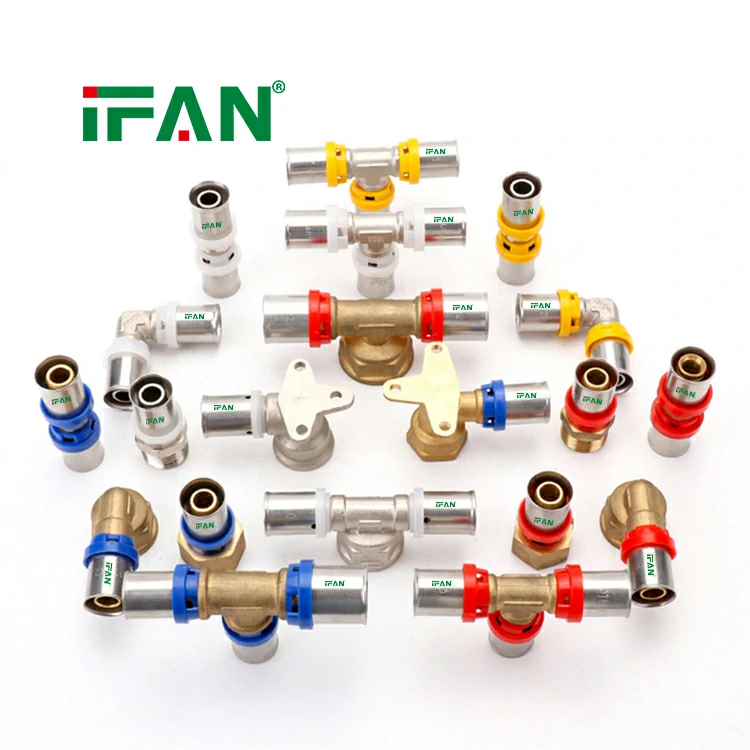

PEX Pipe Fittings: Complete Professional Guide
1. Product Overview
PEX pipe fittings are specialized connectors designed for cross-linked polyethylene (PEX) plumbing systems. Unlike rigid pipe systems, PEX requires specific fitting technologies to manage its flexibility while ensuring reliable, leak-proof connections. The fitting type you choose determines the installation method, tool requirements, and long-term system reliability.
2. Fitting Types & Connection Methods
Crimp Fittings
Design: Barbed brass or polymer fittings with copper crimp rings
Tools: Crimping tool with size-specific jaws
Best For: Cost-effective residential applications
Installation: Insert fitting, position ring, compress with tool
Clamp (Cinch) Fittings
Design: Barbed fittings with stainless steel clamps
Tools: Specialized clamping tool
Best For: DIY-friendly projects and repairs
Advantage: Visible inspection point after installation
Expansion Fittings
Design: Smooth-ended fittings for PEX-A systems
Tools: Expansion tool (manual or battery)
Best For: Professional installations requiring maximum flow
Process: Expand pipe, insert fitting, wait for memory seal
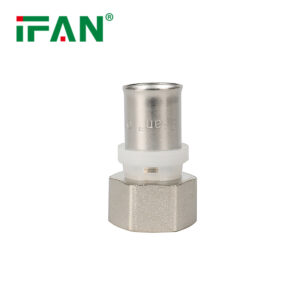
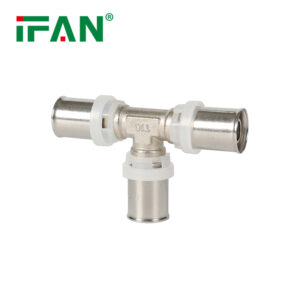
Press Fittings
Design: Brass body with integrated stainless steel sleeve
Tools: Hydraulic press tool with proprietary jaws
Best For: Commercial projects requiring speed and consistency
Advantage: Fastest installation method available
Push-to-Connect Fittings
Design: Brass fittings with internal grab rings and O-rings
Tools: No special tools required (disconnect tool for removal)
Best For: Emergency repairs and temporary connections
Note: Higher cost per fitting, not for concealed installations
3. Material Specifications
Fitting Materials:
Brass: Most common, lead-free (NSF/ANSI 61 compliant)
Polymer: PPSU or PP for corrosion resistance
Composite: Brass with polymer coating to prevent dezincification
Performance Standards:
Pressure Rating: 100 psi at 180°F (ASTM F877/F878)
Temperature Range: -40°F to 200°F (-40°C to 93°C)
Certifications: NSF, IAPMO, UPC, local plumbing codes
4. Selection Matrix
| Criteria | Crimp | Expansion | Push-Fit | Press |
|---|---|---|---|---|
| Initial Cost | Low | Medium | High | Highest |
| Tool Investment | $50-$300 | $200-$800 | Minimal | $800-$2,500 |
| Install Speed | Medium | Fast | Fastest | Fast |
| Skill Required | Low-Medium | Medium-High | Low | Medium |
| Best Application | Residences | New Construction | Repairs | Commercial |
5. Installation Best Practices
Universal Preparation:
Cut PEX tubing squarely using dedicated cutter
Deburr pipe end thoroughly
Ensure pipe is round and damage-free
Mark insertion depth with manufacturer’s gauge
System-Specific Techniques:
Crimp Systems: Position ring ⅛”-¼” from pipe end
Expansion Systems: Work within 30 seconds of expansion
Push-Fit Systems: Verify full insertion with gentle tug
Press Systems: Ensure proper jaw calibration
Quality Control:
Pressure test at 1.5× operating pressure
Perform visual inspection of all connections
Document installation details for warranty
Use proper pipe supports near fittings
6. Applications
Residential Plumbing:
Whole-house repiping and new construction
Water heater connections and manifold systems
Radiant floor heating installations
Appliance supply lines and fixture connections
Commercial Systems:
Multi-unit residential buildings
Hotel and healthcare facility plumbing
Restaurant water supply lines
Hydronic heating and cooling circuits
Special Applications:
Ice maker lines and filtration systems
Snow melt systems and outdoor applications
Mobile home and RV plumbing
Agricultural and irrigation systems
7. Advantages Over Traditional Materials
Performance Benefits:
Freeze Resistance: Can expand without bursting
Corrosion Proof: No rust or scale buildup
Scale Resistance: Smooth interiors prevent mineral deposits
Flexibility: Fewer fittings needed for complex runs
Water Quality: No lead or heavy metal leaching
Installation Advantages:
Lightweight: Easier handling than copper or CPVC
Quiet Operation: Reduces water hammer noise
Versatile Routing: Bends around obstacles easily
Color Coding: Red (hot) and blue (cold) options available
8. Limitations & Considerations
Material Limitations:
UV Sensitivity: Must be protected from direct sunlight
Temperature Limits: Maximum 180°F continuous
Chemical Compatibility: Avoid certain solvents and oils
Oxygen Permeation: Barrier PEX required for closed heating systems
Installation Considerations:
Expansion Contraction: Allow for movement in long runs
Support Requirements: Hangers every 32 inches maximum
Bend Radius: Minimum bend radius varies by PEX type
Code Compliance: Verify local amendments to national codes
9. Professional Recommendations
System Design:
Use manifold systems for better pressure balance
Plan for future access to critical fittings
Consider thermal expansion in long runs
Specify appropriate pressure ratings
Installation Quality:
Stick with one manufacturer’s system per project
Maintain and calibrate tools regularly
Train all installers on specific techniques
Implement quality control checkpoints
Business Considerations:
Calculate total system cost including tools
Consider warranty terms and support
Evaluate brand reputation and availability
Factor in labor savings for different systems
10. Troubleshooting & Maintenance
Common Issues:
Leaking Fittings: Usually installation error
Reduced Flow: May indicate undersized fittings
Discolored Water: Temporary from new installations
Noisy Operation: Could indicate loose pipes or high velocity
Preventive Measures:
Install sediment filters before manifolds
Use proper pipe supports to prevent stress
Flush system thoroughly before final connections
Keep installation records for future reference
Warranty Claims:
Follow manufacturer installation guidelines exactly
Maintain detailed project documentation
Use only approved tools and materials
Conduct proper pressure testing
11. Industry Trends
Technological Advances:
Smart fittings with leak detection capabilities
Improved materials for higher temperature applications
Enhanced installation tools with digital verification
Eco-friendly manufacturing processes
Market Developments:
Growing acceptance in commercial construction
Increased code recognition and standardization
Expansion into new geographic markets
Development of larger diameter systems
Professional Evolution:
Specialized training and certification programs
Increased focus on system design optimization
Growing preference for professional-grade systems
Integration with building automation systems
Summary: PEX pipe fittings offer multiple connection options for creating reliable, durable plumbing systems. The choice between crimp, expansion, press, and push-fit systems involves balancing cost, installation speed, and long-term reliability. Proper system design, quality materials, and professional installation techniques are essential for optimal performance. With their freeze resistance, corrosion immunity, and flexibility advantages, PEX fittings continue to gain acceptance across residential, commercial, and specialty applications, providing efficient solutions for modern plumbing challenges.
IFAN factory started in 1993. And IFAN has workshop 120000 square meter with 610 staff. IFAN can design and produce all plumbing pipe and fitting include PPR,PVC,CPVC PPSU HDPE PEXA PEXB PERT pipe and fitting ,brass fitting, brass ball valve ,heating system , gas system , sanitary faucets and hose, In the past 30 Years, IFAN has never forgotten his mission-To protect health and safety. And IFAN factory use best materials to produce high quality pipe and fittings with automatic production line and high tech quality control machines. The most important,IFAN can guarantee that all pipes and fittings manufactured byIFAN are qualified. More information pls feel free contact us Whatsapp.
Related products

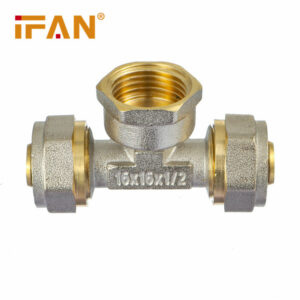
- Compression Fitting
IFAN PEX Compression Fitting