The Complete Guide to PPR End Caps: Secure Termination Solutions
Polypropylene Random Copolymer (PPR) piping systems require reliable termination solutions that ensure long-term system integrity and prevent contamination. PPR end caps provide the perfect solution for permanently or temporarily sealing pipe ends in plumbing, heating, and industrial systems. These essential components offer complete closure while maintaining the excellent thermal and chemical resistance characteristics of PPR material. Whether completing a piping system, creating future access points, or performing maintenance, understanding PPR end caps is crucial for ensuring system reliability and performance.
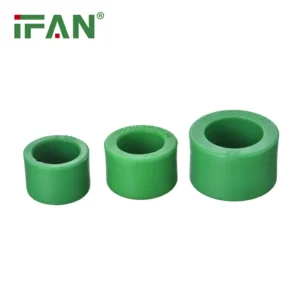
The design of PPR end caps addresses the critical need for secure, leak-proof pipe terminations in various applications. Manufactured from high-quality polypropylene random copolymer, these caps maintain perfect material compatibility with PPR piping systems while providing reliable sealing performance. Moreover, their simple yet effective thermal fusion connection ensures a permanent, monolithic joint that matches the strength of the pipe itself. Consequently, these caps have become indispensable components in residential, commercial, and industrial PPR systems worldwide.
This comprehensive guide examines PPR end caps from multiple perspectives, covering material properties, installation techniques, selection criteria, and maintenance considerations to help you make informed decisions for your projects.
Understanding PPR End Caps
PPR end caps are dome-shaped termination fittings designed to permanently seal the ends of PPR pipes. These fittings feature a female socket that accepts the pipe end and a solid, closed dome that prevents fluid passage. Manufactured from the same high-quality polypropylene random copolymer as the piping system, they ensure perfect material compatibility and thermal expansion characteristics. The caps are designed for thermal fusion installation, creating a permanent, leak-proof joint that becomes an integral part of the piping system.
The robust design ensures complete system isolation and protection against contamination. Most PPR end caps feature depth marks or indicators to ensure proper insertion during installation, and their domed shape provides structural strength to withstand system pressure. Additionally, the smooth interior surface maintains flow characteristics up to the termination point, preventing turbulence and potential sediment accumulation. This attention to design detail makes PPR end caps suitable for both pressure systems and non-pressure applications where secure termination is required.
Key Advantages of PPR End Caps
The PPR construction offers multiple significant benefits:
Perfect Material Compatibility: Exact match with PPR piping systems
Excellent Chemical Resistance: Withstands aggressive chemicals and corrosive substances
Thermal Resistance: Suitable for hot and cold water applications
Permanent Sealing: Thermal fusion creates leak-proof, permanent joints
Pressure Resistance: Maintains integrity under system operating pressures
Corrosion Immunity: Complete resistance to rust and electrochemical corrosion
Easy Installation: Simple thermal fusion process
Long Service Life: 50+ years of reliable service
Professional Installation Guidelines
Proper installation ensures optimal performance and system integrity:
Preparation Phase:
Pipe Cutting: Cut PPR pipe perfectly square using dedicated cutter
End Preparation: Remove all burrs and ensure clean, smooth cut end
Surface Cleaning: Clean both pipe end and cap socket thoroughly
Depth Marking: Mark insertion depth on pipe using cap as reference
Thermal Fusion Process:
Equipment Setup: Use PPR welding machine set to 260°C (500°F)
Simultaneous Heating: Heat both pipe end and cap socket simultaneously
Heating Time: Follow manufacturer’s time recommendations for pipe size
Quick Connection: Join heated components immediately without rotation
Holding Period: Maintain pressure during initial cooling phase
Cooling Time: Allow complete cooling without disturbance
Quality Assurance:
Visual Inspection: Check for proper bead formation and full insertion
Pressure Testing: Conduct system pressure test before concealment
Documentation: Record installation details for future reference
Available Configurations
Multiple options accommodate different application needs:
Pressure Ratings: PN10, PN16, PN20 for different system pressures
Size Range: DN20 to DN160 (¾” to 6″) diameters
Material Types: Standard PPR and reinforced versions
Color Options: White, green, gray for system identification
Special Types: Test caps, insulated caps, and custom configurations
Standards Compliance: ISO 15874, ASTM F2389, DIN 8077/78
Selection Considerations
Key factors for optimal cap selection:
Pipe Size Compatibility: Exact match to PPR pipe diameter
Pressure Rating: Suitable for system operating pressure
Temperature Requirements: Appropriate for application temperatures
Application Type: Permanent termination vs. future access needs
Quality Certifications: NSF, WRAS, or other relevant certifications
Material Quality: Virgin PPR material without recycled content
Environmental Conditions: Consider UV exposure if installed outdoors
System Media: Compatibility with transported fluids
Technical Specifications
Pressure Rating: 10-20 bar (145-290 PSI) depending on PN rating
Temperature Range: -10°C to 95°C (14°F to 203°F)
Material: Polypropylene Random Copolymer (PP-R)
Size Availability: DN20 to DN160 (¾” to 6″)
Standards Compliance: ISO 15874, ASTM F2389, DIN 8077/78
Thermal Expansion: 0.15 mm/m°C
Frequently Asked Questions
Q: Are PPR end caps reusable?
A: No, thermal fusion creates permanent, non-reusable joints.
Q: Can they be used for pressure testing?
A: Yes, they are designed to withstand system test pressures.
Q: What temperature can they handle?
A: Suitable for continuous operation at 95°C (203°F).
Q: Are they drinking water safe?
A: When certified to NSF/ANSI 61 standards, yes.
Q: Can I remove an installed end cap?
A: Only by cutting the pipe behind the fused joint.
Common Applications
Essential for numerous scenarios:
System Termination: Permanent sealing of pipe ends
Future Expansion: Temporary closures for future connections
Testing Procedures: Pressure testing and leak testing
Maintenance Operations: Isolating system sections
Protection: Protecting pipe ends during construction
Branch Line Closure: Sealing unused tees or branches
Maintenance Best Practices
Ensure long-term performance:
Visual Inspection: Periodically check exposed end caps
Pressure Monitoring: Watch for pressure drops indicating issues
System Flushing: Include in routine maintenance schedules
UV Protection: Protect from direct sunlight if outdoors
Record Keeping: Maintain installation documentation
Professional Installation: Use trained technicians for installation
Conclusion: Reliable System Termination
PPR end caps provide essential functionality for securely terminating PPR piping systems. Their perfect material compatibility, permanent sealing capability, and excellent performance characteristics make them ideal for various applications. Furthermore, their simple installation and long service life make them a cost-effective solution for both new installations and system maintenance.
By selecting quality PPR end caps and following proper installation practices, you ensure system integrity, prevent contamination, and maintain operational efficiency. Therefore, careful consideration of application requirements and proper installation techniques becomes crucial for optimal system performance. Ultimately, these components represent a valuable investment in piping system reliability and longevity.
IFAN factory started in 1993. And IFAN has workshop 120000 square meter with 610 staff. IFAN can design and produce all plumbing pipe and fitting include PPR,PVC,CPVC PPSU HDPE PEXA PEXB PERT pipe and fitting ,brass fitting, brass ball valve ,heating system , gas system , sanitary faucets and hose, In the past 30 Years, IFAN has never forgotten his mission-To protect health and safety. And IFAN factory use best materials to produce high quality pipe and fittings with automatic production line and high tech quality control machines. The most important,IFAN can guarantee that all pipes and fittings manufactured by IFAN are qualified. More information pls feel free contact us Whatsapp.
Related products
 PPR
PPRTee