

High-Quality Ball Float Valve for Reliable Water Level Control
A ball float valve is an essential component in water storage and distribution systems, ensuring precise water level control and preventing overflow. Known for its simplicity, durability, and efficiency, this device plays a critical role in residential, commercial, and industrial applications. This article explores the benefits, working mechanism, and applications of high-quality ball float valves, along with tips for installation and maintenance.
What is a Ball Float Valve?
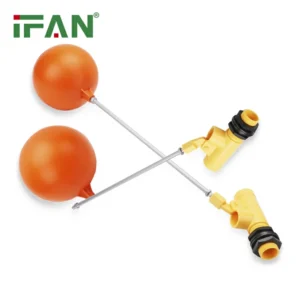
A ball float valve is a mechanical device that regulates water levels in tanks, reservoirs, and other storage systems. It consists of a floating ball, a lever arm, and a valve mechanism. As the water level rises, the ball floats upward, triggering the valve to close and stop water flow. When the water level drops, the ball descends, opening the valve to allow more water in.
How Does a Ball Float Valve Work?
The operation of a ball float valve is straightforward yet highly effective. When the water level in a tank rises, the floating ball moves upward, pushing the lever arm to close the valve. This action stops the inflow of water, preventing overflow. Conversely, when the water level drops, the ball moves downward, pulling the lever arm to open the valve and allow water to refill the tank.
This automatic mechanism ensures consistent water levels without manual intervention, making it a reliable solution for various applications.
Applications of Ball Float Valves
Ball float valves are versatile and widely used in different settings:
- Residential Water Tanks: Homeowners use these valves in overhead tanks to maintain optimal water levels and prevent overflow.
- Agricultural Irrigation: Farmers rely on them to control water levels in storage tanks and irrigation systems, ensuring efficient water use.
- Industrial Water Management: Factories and manufacturing plants use ball float valves in cooling towers, boilers, and wastewater treatment systems.
- Commercial Buildings: These valves are common in large-scale water storage systems for offices, hotels, and hospitals.
- Swimming Pools: They help maintain water levels in pools, ensuring proper filtration and circulation.
Benefits of Using a High-Quality Ball Float Valve
- Reliable Water Level Control: The automatic mechanism ensures consistent water levels, reducing the risk of overflow or dry runs.
- Durability: High-quality materials like brass or stainless steel make these valves resistant to corrosion and wear.
- Low Maintenance: Their simple design requires minimal upkeep, saving time and costs.
- Energy Efficiency: By preventing water wastage, they contribute to sustainable water management.
- Versatility: They are suitable for various applications, from small residential tanks to large industrial systems.
Installation Tips for Ball Float Valves
Proper installation ensures the optimal performance of a ball float valve. Follow these steps:
- Choose the Right Valve: Select a valve that matches the size and pressure requirements of your system.
- Position the Valve Correctly: Install the valve at the desired water level, ensuring the floating ball moves freely.
- Secure Connections: Use appropriate fittings and sealants to prevent leaks at the connection points.
- Test the System: After installation, fill the tank and check for proper valve operation and leaks.
Maintenance Tips for Long-Lasting Performance
Regular maintenance keeps the ball float valve functioning efficiently. Here are some tips:
- Inspect for Damage: Check the valve, floating ball, and lever arm for signs of wear or corrosion.
- Clean the Components: Remove dirt, debris, or mineral deposits that may affect the valve’s operation.
- Lubricate Moving Parts: Apply a small amount of lubricant to the lever arm and valve mechanism to ensure smooth movement.
- Replace Worn Parts: If any components show significant wear, replace them promptly to avoid system failure.
- Monitor Water Levels: Regularly check the water levels to ensure the valve is functioning correctly.
Common Issues and Troubleshooting
- Valve Not Closing: This issue may occur due to a damaged floating ball or lever arm. Inspect and replace the affected parts.
- Leaks: Check the connections and tighten them if necessary. Replace worn seals or gaskets.
- Stiff Movement: Clean and lubricate the lever arm and valve mechanism to restore smooth operation.
- Inconsistent Water Levels: Ensure the floating ball moves freely and is not obstructed by debris.
Why Choose a High-Quality Ball Float Valve?
Investing in a high-quality ball float valve ensures reliable performance and long-term durability. These valves are made from premium materials that resist corrosion and withstand harsh conditions. Their precise water level control minimizes water wastage, contributing to sustainable water management practices.
Conclusion
A high-quality ball float valve is a reliable and efficient solution for controlling water levels in various systems. Its automatic mechanism, durability, and low maintenance requirements make it a popular choice for residential, agricultural, and industrial applications. By following proper installation and maintenance practices, you can ensure the valve performs optimally for years to come.
FAQs
- How does a ball float valve prevent overflow?
The floating ball rises with the water level, triggering the valve to close and stop water flow when the tank is full. - Can I use a ball float valve for hot water systems?
Yes, but ensure the valve is made from materials that can withstand high temperatures, such as brass or stainless steel. - What materials are used in high-quality ball float valves?
High-quality valves are typically made from brass, stainless steel, or durable plastics resistant to corrosion. - How often should I inspect my ball float valve?
Inspect the valve at least twice a year and perform maintenance as needed to ensure optimal performance. - Can I install a ball float valve myself?
Yes, with basic plumbing knowledge and tools, you can install the valve yourself. However, for complex systems, consider hiring a professional.
Connect
IFAN factory started in 1993. And IFAN has workshop 120000 square meter with 610 staff. IFAN can design and produce all plumbing pipe and fitting include PPR,PVC,CPVC PPSU HDPE PEXA PEXB PERT pipe and fitting ,brass fitting, brass ball valve ,heating system , gas system , sanitary faucets and hose, In the past 30 Years, IFAN has never forgotten his mission-To protect health and safety. And IFAN factory use best materials to produce high quality pipe and fittings with automatic production line and high tech quality control machines. The most important,IFAN can guarantee that all pipes and fittings manufactured by IFAN are qualified. More information pls feel free contact us Whatsapp.
Related products
 Brass Valve
IFAN Brass Check Valve
- Ball Valve
IFAN Butterfly Valve
- Ball Valve
IFAN Brass Ball Valve
 Ball Valve
Ball Valve