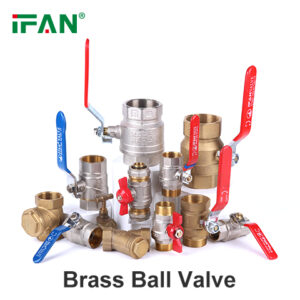
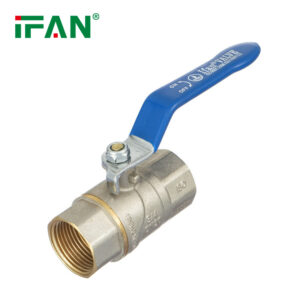
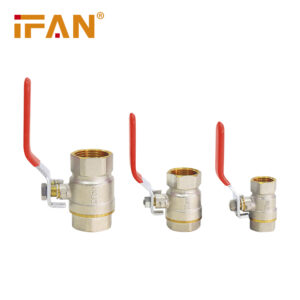
Everything You Need to Know About Installing Brass Ball Valves
Introduction
When it comes to maintaining a plumbing system, choosing the right valves is crucial. Brass ball valves stand out for their reliability, durability, and versatility in a wide range of applications. Whether you’re installing a new plumbing system or replacing outdated valves, knowing how to install brass ball valves properly ensures that your system remains efficient and leak-free. In this guide, we’ll walk you through the installation process, provide helpful tips, and explain why brass ball valves are a top choice for plumbing systems.
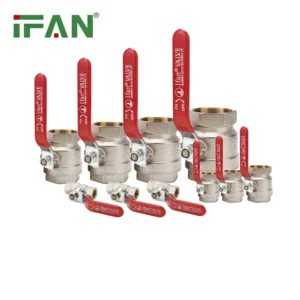
Why Choose Brass Ball Valves?
Before we dive into the installation process, it’s essential to understand why brass ball valves are the preferred option for most plumbing systems.
- Durability: Brass is corrosion-resistant, making brass ball valves reliable in both residential and commercial plumbing systems.
- Ease of Operation: These valves require only a quarter-turn to operate, offering quick adjustments to flow and pressure.
- Leak-Proof Performance: The solid construction of brass ball valves ensures a secure seal, reducing the likelihood of leaks.
- Versatility: They can be used for water, gas, and even hot water systems.
Now that you understand why brass ball valves are a trusted component, let’s look at how to install them correctly.
Step-by-Step Guide to Installing Brass Ball Valves
1. Gather Your Tools and Materials
Before beginning the installation, ensure you have all the necessary tools and materials. Here’s what you’ll need:
- Brass ball valve
- Pipe wrenches
- Teflon tape (optional)
- Pipe cutter
- Pipe fittings (if required)
- Gloves and safety glasses
2. Turn Off the Water Supply
For safety reasons, always turn off the water supply to the area where you’ll be installing the brass ball valve. This prevents any accidents or water damage during the installation process.
3. Prepare the Pipes
If you’re replacing an existing valve, use a pipe cutter to carefully remove the old valve. Ensure the pipe ends are clean and smooth to allow for a secure connection. Deburr the edges to remove any sharp edges that could damage the brass ball valve or cause leaks.
4. Install the Brass Ball Valve
Once the pipes are ready, it’s time to install the brass ball valve. If the valve is threaded, apply a layer of Teflon tape to the threads of the pipe. This will help create a watertight seal and prevent leaks. Carefully thread the brass ball valve onto the pipe, ensuring it’s tightened properly. Use a pipe wrench to secure the valve, but avoid over-tightening, as this could damage the valve or pipe.
If the valve uses compression fittings, slide the compression nut and ring onto the pipe first. Then, insert the valve and tighten the nut until it’s secure. Again, avoid over-tightening, as this can cause damage.
5. Check for Leaks
Once the brass ball valve is installed, turn on the water supply and check for any leaks around the valve. If you notice any, tighten the connections slightly or reapply Teflon tape if necessary. It’s important to ensure that the valve operates correctly and is free from leaks before proceeding.
6. Test the Valve’s Functionality
After confirming the installation is leak-free, test the valve’s functionality by turning it on and off. The handle should turn smoothly, and the valve should fully open and close with minimal effort. If there’s resistance or difficulty turning the handle, inspect the valve and connection to ensure everything is installed correctly.
Common Mistakes to Avoid When Installing Brass Ball Valves
1. Over-tightening the Valve
Over-tightening the brass ball valve can damage the threads or cause the valve to malfunction. Always use a pipe wrench to tighten the valve until it is secure, but stop before over-tightening.
2. Neglecting to Clean the Pipes
Installing brass ball valves on dirty or uneven pipe surfaces can cause leaks. Always clean the pipes thoroughly before installation, ensuring smooth and even surfaces for a proper seal.
3. Forgetting to Apply Teflon Tape
Although not always necessary, using Teflon tape on threaded pipes can prevent leaks. Forgetting to apply Teflon tape may result in minor leaks around the threaded connections, which could lead to larger issues down the road.
Why Brass Ball Valves Are Worth the Investment
Brass ball valves are an excellent investment for any plumbing system due to their long-lasting durability, ease of use, and reliable performance. Their resistance to corrosion and high temperatures makes them ideal for various plumbing applications, from residential to commercial use. Proper installation ensures that they function at their best and prevent leaks, saving you time and money on repairs.
Conclusion
Installing brass ball valves is a straightforward process that can significantly improve the performance of your plumbing system. With their durability, ease of operation, and leak-proof sealing, brass ball valves are a reliable solution for controlling the flow of water, gas, and other fluids. Follow the steps outlined in this guide to ensure a successful installation, and enjoy the long-term benefits of these high-quality valves in your plumbing system.
FAQs
How long do brass ball valves last?
Brass ball valves are highly durable and can last for decades when properly installed and maintained.Can I install a brass ball valve myself?
Yes, installing a brass ball valve is a DIY-friendly task if you have the right tools and follow the correct steps.Do brass ball valves require maintenance?
Brass ball valves require minimal maintenance. Regular checks for leaks and smooth operation will help keep them in optimal condition.What should I do if a brass ball valve starts leaking?
If a leak occurs, check the valve’s connection points and tighten them. If the issue persists, replace the valve or apply additional Teflon tape.Can I use brass ball valves for gas lines?
Yes, brass ball valves are commonly used in gas lines due to their leak-proof performance and resistance to corrosion.
Connect
IFAN factory started in 1993. And IFAN has workshop 120000 square meter with 610 staff. IFAN can design and produce all plumbing pipe and fitting include PPR,PVC,CPVC PPSU HDPE PEXA PEXB PERT pipe and fitting ,brass fitting, brass ball valve ,heating system , gas system , sanitary faucets and hose, In the past 30 Years, IFAN has never forgotten his mission-To protect health and safety. And IFAN factory use best materials to produce high quality pipe and fittings with automatic production line and high tech quality control machines. The most important,IFAN can guarantee that all pipes and fittings manufactured by IFAN are qualified. More information pls feel free contact us Whatsapp.
Related products
 Ball Valve
IFAN Brass Ball Valve
- Ball Valve
Brass Ball Valve
 Ball Valve
IFAN Brass Ball Valve
- Ball Valve
IFAN Brass Ball Valve