Understanding the Importance of Brass Ball Valves in Fluid Control Systems
In fluid control systems, valves play an essential role in regulating and controlling the flow of liquids and gases. Among the various types of valves used in these systems, brass ball valves have become highly favored due to their robustness, versatility, and reliability. This article will explore the importance of brass ball valves, particularly in fluid control systems, and highlight their advantages, uses, and why they are an ideal choice for many industries.
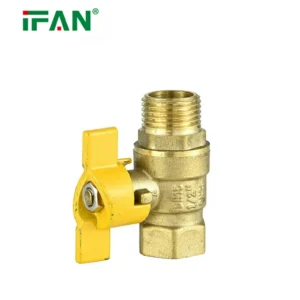
What Are Brass Ball Valves?
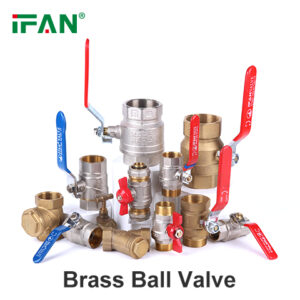
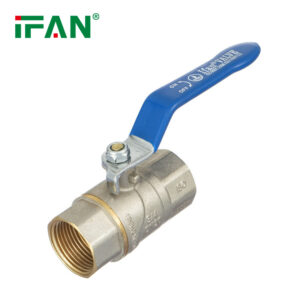
Brass ball valves are valve types that utilize a hollow, perforated ball to control the flow of fluids. The ball, which can rotate inside the valve body, has a hole in the center that aligns with the pipe to allow flow. When the valve is turned, the ball rotates to either allow or block fluid from passing through the pipe. Made from high-quality brass, these valves offer durability and resistance to corrosion, making them an excellent choice for fluid control in various applications.
Why Choose Brass Ball Valves for Fluid Control?
Brass ball valves are a popular choice in fluid control systems due to their many benefits. These advantages make them essential in a wide range of industries, from plumbing to chemical processing. Let’s delve into why brass ball valves are crucial for fluid control:
1. Durability and Longevity
One of the key reasons for using brass ball valves in fluid control systems is their impressive durability. Brass is a corrosion-resistant metal, making these valves ideal for handling fluids in environments that may expose them to harsh conditions. They are resistant to rust, which extends their lifespan and reduces the need for frequent replacements.
2. Precision and Reliability
Brass ball valves are known for their precise control over fluid flow. Whether it’s turning the flow on or off, brass ball valves offer a reliable and smooth operation. Unlike other types of valves, which may wear out over time, brass ball valves maintain their precision throughout their life cycle. This makes them a dependable choice for applications requiring consistent and accurate fluid control.
3. Ease of Use
The simple yet effective design of brass ball valves makes them easy to use. With a straightforward quarter-turn operation, these valves allow users to open or close the valve quickly, providing greater control in a variety of scenarios. This ease of operation is crucial, particularly in emergency situations or where fast adjustments are needed.
4. Wide Range of Applications
Brass ball valves are extremely versatile and can be used in a broad range of industries and applications. From residential plumbing systems to large-scale industrial processes, these valves are suitable for controlling water, gas, oil, and other fluids. Their versatility makes them a go-to option in various systems, including heating, ventilation, and air conditioning (HVAC) systems, as well as in the food and beverage industry.
5. Leak Prevention
A significant concern in fluid control systems is the potential for leaks, which can lead to costly repairs and safety hazards. Brass ball valves are designed to create tight seals, preventing leaks even under high-pressure conditions. This leak prevention ensures that fluids are contained securely, reducing the risk of spills and accidents.
6. Cost-Effectiveness
Despite their high-quality construction, brass ball valves are cost-effective, making them a popular choice for businesses looking to balance budget and performance. Their long lifespan and minimal maintenance requirements contribute to significant savings over time. This cost-effectiveness, combined with their durability, makes brass ball valves a smart investment for fluid control systems.
Applications of Brass Ball Valves
Brass ball valves are employed across a diverse range of industries and applications. Here are some key areas where these valves are commonly used:
- Plumbing Systems: In both residential and commercial plumbing systems, brass ball valves regulate water flow, ensuring efficient operation and preventing leaks.
- Gas and Oil Systems: Brass ball valves are used to control the flow of gas and oil in pipelines, ensuring that these potentially hazardous materials are handled safely.
- HVAC Systems: In heating and cooling systems, brass ball valves are used to regulate water flow, providing better energy efficiency and system performance.
- Food and Beverage Industry: Brass ball valves are used in the production and processing of food and beverages to maintain precise control over fluid flow, ensuring hygiene and safety.
- Chemical Processing: These valves are also utilized in chemical plants, where their ability to withstand harsh chemicals makes them crucial for safe and effective fluid control.
Maintenance of Brass Ball Valves
To ensure brass ball valves continue to function effectively, proper maintenance is crucial. Although they require little maintenance, regular inspection can help identify issues like corrosion or wear. It is recommended to check the seals and ball regularly to prevent any issues that could affect the valve’s performance. Lubricating the valve components can also improve functionality and extend the life of the valve.
Conclusion
Brass ball valves are indispensable in fluid control systems, offering several benefits such as durability, ease of use, reliability, and versatility. Their resistance to corrosion, leak prevention capabilities, and precision make them ideal for a variety of applications across different industries. Investing in high-quality brass ball valves can lead to more efficient operations and long-term cost savings. Whether used in plumbing, HVAC systems, or chemical processing, these valves play a pivotal role in ensuring fluid flow is controlled safely and efficiently.
Frequently Asked Questions (FAQs)
- What is the difference between a brass ball valve and other types of ball valves? Brass ball valves are made from corrosion-resistant brass, providing better durability and resistance to harsh environments compared to other materials like plastic or stainless steel.
- Can brass ball valves be used for both hot and cold fluids? Yes, brass ball valves are versatile and can handle both hot and cold fluids, making them suitable for a wide range of applications.
- Are brass ball valves easy to maintain? Brass ball valves are relatively low maintenance. Regular inspection for signs of wear and tear, along with lubrication of moving parts, can help maintain their performance.
- Are brass ball valves suitable for high-pressure applications? Yes, brass ball valves are designed to withstand high-pressure conditions, making them ideal for use in industrial applications.
- What are the common applications for brass ball valves? Brass ball valves are used in plumbing, gas and oil systems, HVAC systems, food and beverage industries, and chemical processing, among others.