The Ultimate Brass Ball Valve Handbook
1. Understanding Brass Ball Valves
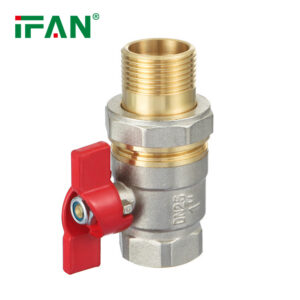
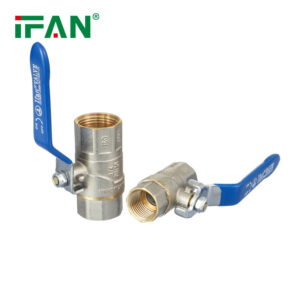
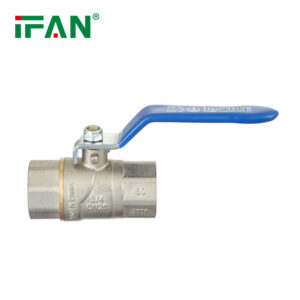
Brass ball valves serve as essential quarter-turn shutoff devices in numerous fluid control systems. Their robust construction and reliable performance make them a top choice for plumbing, heating, and industrial applications. These valves operate through a simple mechanism where a rotating ball with a bore controls flow, offering quick operation and tight sealing capabilities.
2. Types and Configurations
2.1 Port Design Options
Standard Port Valves: Feature reduced bore size, offering cost-effective solutions for general applications
Full Port Valves: Provide unrestricted flow with minimal pressure drop, ideal for pumping systems
2.2 Construction Styles
Single-Piece Bodies: Economical non-repairable designs for permanent installations
Two-Piece Construction: Serviceable valves allowing basic maintenance and seal replacement
Three-Piece Design: Fully repairable industrial-grade valves with separate end connections
2.3 Connection Methods
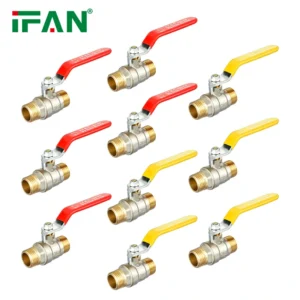
Threaded Ends: Available in NPT, BSPP, and BSPT thread standards
Sweat Connections: Designed for permanent soldered installation in copper systems
Flanged Versions: Suitable for high-pressure industrial applications requiring bolted connections
3. Technical Specifications
| Parameter | Standard Grade | Premium Grade | Industrial Grade |
|---|---|---|---|
| Size Range | 1/4″ to 2″ | 1/4″ to 4″ | 1/2″ to 6″ |
| Pressure Rating | 150-400 PSI | 300-600 PSI | 600-1000 PSI |
| Temperature Range | -20°F to 250°F | -20°F to 400°F | -40°F to 450°F |
| Body Material | DZR Brass | Forged Brass | Naval Brass |
| Seat Material | Standard PTFE | Reinforced PTFE | Metal Seats |
4. Professional Installation Guide
4.1 Pre-Installation Checklist
Verify valve specifications match system requirements
Inspect components for damage or defects
Clean and prepare pipe ends properly
Ensure adequate workspace and access
4.2 Step-by-Step Installation
Apply appropriate thread sealant or pipe compound
Hand-tighten completely to ensure proper alignment
Use correct wrench on valve body (not handle)
Final tighten 1-1.5 turns past hand-tight position
Cycle valve several times to seat components properly
4.3 Best Practices
Provide proper support for vertical installations
Maintain sufficient clearance for handle operation
Follow flow direction indicators when specified
Conduct pressure testing before system operation
5. Maintenance Protocols
5.1 Routine Maintenance Schedule
Monthly: Exercise valves in stagnant systems
Quarterly: Visual inspection for leaks and corrosion
Annually: Lubricate stem mechanisms
Biannually: Operational performance testing
5.2 Common Maintenance Issues
Stem Leakage: Address by tightening packing nut or replacing seals
Operational Stiffness: Resolve through proper lubrication
Seat Damage: Typically requires valve replacement
Handle Problems: Fix by tightening or replacing components
6. Application Scenarios
6.1 Residential Applications
Main water supply shutoff valves
Water heater isolation and control
Irrigation system flow management
Appliance connection points
6.2 Commercial Installations
Building water distribution systems
HVAC heating and cooling circuits
Fire protection system isolation
Commercial kitchen equipment
6.3 Industrial Implementations
Process control system regulation
Compressed air distribution networks
Chemical processing applications
Petroleum product handling systems
7. Selection Criteria
7.1 Performance Considerations
Fluid compatibility and chemical resistance
Pressure and temperature requirements
Flow capacity and velocity needs
Cycle frequency and duty expectations
7.2 Material Selection Guide
Potable Water: NSF-certified lead-free brass
Chemical Service: DZR brass for corrosion resistance
High Temperature: Forged brass with appropriate seats
General Purpose: Standard brass for basic applications
8. Troubleshooting Guide
| Symptom | Possible Cause | Recommended Action |
|---|---|---|
| External Leakage | Loose connections | Tighten fittings properly |
| Stem Leakage | Worn packing | Adjust or replace packing |
| Difficult Operation | Lack of lubrication | Lubricate stem mechanism |
| Internal Leakage | Damaged seats | Replace valve or seats |
| Handle Failure | Worn components | Replace handle assembly |
9. Professional Recommendations
Brass ball valves deliver optimal performance when:
✅ Selected based on specific application requirements
✅ Installed following manufacturer guidelines
✅ Maintained through regular service intervals
IFAN factory started in 1993. And IFAN has workshop 120000 square meter with 610 staff. IFAN can design and produce all plumbing pipe and fitting include PPR,PVC,CPVC PPSU HDPE PEXA PEXB PERT pipe and fitting ,brass fitting, brass ball valve ,heating system , gas system , sanitary faucets and hose, In the past 30 Years, IFAN has never forgotten his mission-To protect health and safety. And IFAN factory use best materials to produce high quality pipe and fittings with automatic production line and high tech quality control machines. The most important,IFAN can guarantee that all pipes and fittings manufactured by IFAN are qualified. More information pls feel free contact us Whatsapp.
Related products
 Ball Valve
IFAN Butterfly Valve
- Ball Valve
IFAN Brass Ball Valve
- Ball Valve
IFAN Brass Ball Valve
 Ball Valve
Ball Valve