UPVC Pipe Fittings: The Essential Guide for Modern Plumbing Systems
When building reliable and efficient plumbing networks, UPVC pipe fittings form the crucial connection points that ensure system integrity and performance. These components provide the necessary junctions, direction changes, and adaptations that make complete piping systems possible. Understanding their types, applications, and proper installation methods is fundamental for successful plumbing projects in both residential and industrial settings.
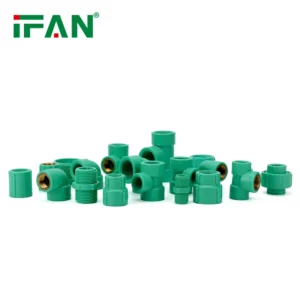
Understanding UPVC Pipe Fittings
UPVC (Unplasticized Polyvinyl Chloride) pipe fittings are rigid plastic components designed to connect sections of UPVC pipe into complete systems. Unlike regular PVC, UPVC contains no plasticizers, making it more rigid, chemically resistant, and suitable for pressure applications. Manufacturers produce these fittings through injection molding processes that ensure precise dimensions and consistent quality, creating reliable components for various plumbing applications.
Types of UPVC Pipe Fittings
Basic Connection Fittings
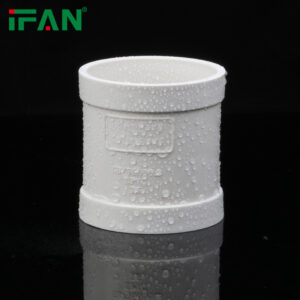
Couplings: Connect two pipes of identical diameter in straight runs
Elbows: Change pipeline direction (available in 90° and 45° angles)
Tees: Create branch connections in three directions (equal and reducing types)
Reducers: Transition between pipes of different diameters
End Caps: Seal pipe ends permanently
Advanced System Fittings
Unions: Allow for easy disconnection of pipes for maintenance
Adaptors: Connect UPVC to other materials or connection types
Bushings: Reduce fitting sizes within existing connections
Crosses: Provide four-way connections for complex layouts
Special Application Fittings
Valve Connectors: Specialized fittings for valve installations
Inspection Fittings: Provide access points for system maintenance
Expansion Joints: Accommodate thermal expansion and contraction
Anti-Vibration Couplings: Reduce vibration transmission in piping systems
Key Applications and Industries
Water Supply Systems
Residential and commercial potable water distribution
Municipal water main connections and service lines
Building internal water supply networks
Irrigation system main lines and distribution networks
Industrial Applications
Chemical processing and handling systems
Water treatment plant piping networks
Cooling water systems for industrial equipment
Compressed air lines in manufacturing facilities
Drainage and Waste Systems
Soil, waste, and vent (DWV) systems in buildings
Stormwater drainage systems
Industrial waste handling systems
Agricultural drainage applications
Technical Specifications
Size Ranges and Dimensions
Metric Sizes: 20mm, 25mm, 32mm, 40mm, 50mm, 63mm, 75mm, 90mm, 110mm
Imperial Sizes: ½”, ¾”, 1″, 1¼”, 1½”, 2″, 2½”, 3″, 4″
Pressure Ratings: PN6, PN9, PN12, PN16, PN20
Wall Thickness: Varies by pressure rating and application requirements
Performance Characteristics
Temperature Range: 0°C to 60°C (32°F to 140°F)
Pressure Capacity: Varies by size and rating (6-20 bar)
Chemical Resistance: Excellent resistance to most acids, bases, and salts
Flow Characteristics: Smooth interior surface minimizes friction loss
Installation Methods and Techniques
Solvent Cement Joining Process
Pipe Preparation: Cut pipe ends square using appropriate cutting tools
Deburring: Remove all internal and external burrs from cut ends
Surface Cleaning: Wipe both pipe end and fitting socket with clean cloth
Primer Application: Apply UPVC primer to both surfaces for better adhesion
Cement Application: Apply solvent cement evenly to both prepared surfaces
Assembly: Quickly join components with a quarter-turn motion
Holding Time: Maintain pressure for 30 seconds to prevent push-out
Curing Time: Allow 24 hours for full strength before pressure testing
Mechanical Connection Methods
Threaded Connections: Use appropriate thread sealants for leak-proof joints
Flanged Adaptors: Connect to flanged equipment using proper gaskets
Compression Fittings: Provide demountable connections where needed
Advantages of UPVC Pipe Fittings
Excellent Chemical Resistance: Withstand aggressive water conditions and chemicals
Corrosion Immunity: Completely resistant to rust and electrolytic corrosion
Long Service Life: Typically last 50+ years with minimal maintenance
Lightweight Construction: Easy to handle and install compared to metal alternatives
Smooth Interior Surface: Minimizes friction loss and prevents scaling buildup
Cost Effectiveness: Lower material and installation costs than metal systems
Non-Toxic Properties: Safe for potable water applications when properly certified
Quality Standards and Certifications
Reputable manufacturers adhere to stringent international standards:
ISO 9001: Quality management system certification
NSF/ANSI 61: Certification for drinking water system components
ASTM D1784: Standard specification for rigid PVC compounds
EN 1452: Plastics piping systems for water supply
AS/NZS 1477: PVC pipes and fittings for pressure applications
WRAS Approval: Water Regulations Advisory Scheme certification
Maintenance and Troubleshooting
Preventive Maintenance Practices
Regular visual inspections for signs of damage or stress
Periodic checks for leaks at connection points
Ensuring proper support and alignment of piping systems
Protecting exposed fittings from UV radiation and physical damage
Common Issues and Solutions
Leaking Joints: Re-cut and rejoin using proper solvent cement techniques
Cracked Fittings: Replace damaged components immediately
Thread Leaks: Reapply appropriate thread sealant and tighten correctly
UV Degradation: Protect exposed fittings with UV-resistant paint or covers
Selection Guide: Choosing the Right Fittings
Application Considerations
System pressure requirements and temperature range
Chemical compatibility with conveyed fluids
Environmental conditions and exposure factors
Regulatory requirements and certification needs
Technical Specifications
Pressure rating matching system requirements
Size compatibility with existing piping
Connection type requirements (solvent weld, threaded, etc.)
Quality certifications relevant to your application
Quality Assurance Factors
Manufacturer reputation and industry experience
Compliance with relevant international standards
Availability of technical support and documentation
Warranty terms and after-sales support
Conclusion
UPVC pipe fittings offer reliable, cost-effective solutions for numerous plumbing and industrial applications. Their excellent chemical resistance, corrosion immunity, and long service life make them ideal for both new installations and system upgrades. By selecting appropriate fittings, following proper installation procedures, and conducting regular maintenance, you ensure system integrity and optimal performance.
IFAN factory started in 1993. And IFAN has workshop 120000 square meter with 610 staff. IFAN can design and produce all plumbing pipe and fitting include PPR,PVC,CPVC PPSU HDPE PEXA PEXB PERT pipe and fitting ,brass fitting, brass ball valve ,heating system , gas system , sanitary faucets and hose, In the past 30 Years, IFAN has never forgotten his mission-To protect health and safety. And IFAN factory use best materials to produce high quality pipe and fittings with automatic production line and high tech quality control machines. The most important,IFAN can guarantee that all pipes and fittings manufactured by IFAN are qualified. More information pls feel free contact us Whatsapp.
Related products

- CPVC ASTM2846
IFAN CPVC Fittings
- CPVC ASTM2846
IFAN CPVC Fittings