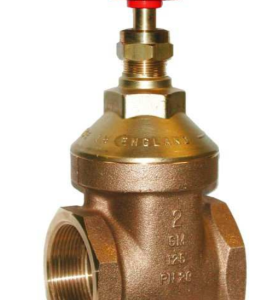
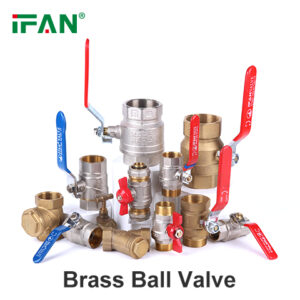
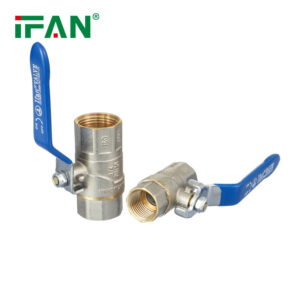
IFAN Water Use Durable Brass Radiator Valve
Description
Brass Radiator Valves: Precise Heat Control and Timeless Reliability for Your Heating System
Brass Radiator Valves Introduction
Efficient heating relies not only on the quality of your radiators but also on the precision of the valves controlling them. Brass radiator valves offer superior control, durability, and style, making them the ideal solution for both modern and traditional heating systems. Whether you’re optimizing a central heating layout or retrofitting a vintage system, brass valves ensure seamless regulation and long-term performance.
In this comprehensive guide, we’ll explore what brass radiator valves are, their key functions, where they are used, how to select the right model, and why they stand out among other valve materials. With practical tips and side-by-side comparisons, you’ll gain all the insights needed to make a smart investment for your home or commercial project.
FAQ: Frequently Asked Questions About Brass Radiator Valves
Q1: What is a brass radiator valve?
A brass radiator valve regulates the flow of hot water or steam into a radiator, allowing temperature control in individual rooms.
Q2: Are brass valves compatible with all types of radiators?
Yes, they are suitable for most radiator types, including panel, column, and towel rail radiators.
Q3: Why choose brass over other materials?
Brass provides excellent corrosion resistance, high strength, and a classic appearance. It also tolerates high temperatures and pressure.
Q4: What types of brass radiator valves are available?
Common types include manual valves, thermostatic radiator valves (TRVs), angled, straight, and corner models.
Q5: Can I install these valves myself?
Yes, with basic plumbing skills and the right tools, DIY installation is possible. However, for complex systems, professional help is recommended.
Definition and Key Features of Brass Radiator Valves
What Are Brass Radiator Valves?
Brass radiator valves are mechanical control devices installed at the inlet or outlet of a radiator. They regulate water or steam flow, allowing for individual temperature control and efficient energy management. Made from solid brass, these valves combine strength and elegance, often featuring chrome, antique, or brushed finishes to suit any décor.
Key Features:
Robust Construction: Made from high-quality brass for mechanical strength and long-term use.
Corrosion Resistance: Brass is resistant to water-based corrosion, even under prolonged exposure.
High Pressure and Temperature Tolerance: Suitable for central heating systems up to 10 bar and 120°C.
Design Versatility: Available in various angles, finishes, and control types.
Efficient Flow Control: Enables partial or full shut-off to balance heating across multiple zones.
These features make brass radiator valves not just functional components but also stylish additions to any room.
Common Uses and Applications
Brass radiator valves are vital components in central heating systems, especially when temperature zoning is important. They allow users to adjust the heat output per room, helping save energy and improve comfort.
Primary Applications:
Residential Homes
Brass valves are installed in bedrooms, living rooms, and bathrooms for customized comfort and aesthetic consistency.Commercial Buildings
Offices, hotels, and public facilities use them to regulate heating in multiple zones efficiently.Heritage and Restoration Projects
With antique-style brass finishes, these valves complement vintage radiators in older properties.Underfloor Heating Bypass
In hybrid systems, brass valves manage radiator flow independently of underfloor heating circuits.Towel Warmers in Bathrooms
Thermostatic brass valves offer safety and efficiency by preventing overheating in enclosed spaces.
Wherever precise temperature control is needed, brass radiator valves deliver reliable results.
Buying Guide: How to Choose the Right Brass Radiator Valve
Choosing the right valve type depends on the plumbing layout, radiator location, and control preferences. Here are key factors to consider:
1. Valve Orientation
Angled Valves: Best for pipes coming from the wall and radiators with side or bottom connections.
Straight Valves: Ideal when pipes come from the floor and connect directly in line with the radiator.
Corner Valves: Useful for tight spaces where plumbing and aesthetics demand a right-angle fit.
2. Control Mechanism
Manual Valves: Simple on/off control. Turn the handle to increase or decrease flow.
Thermostatic Radiator Valves (TRVs): Automatically adjust flow based on room temperature. Ideal for energy savings.
3. Size Compatibility
Match the valve size to your pipework. Common thread sizes include 1/2″, 3/4″, and 15mm.
Ensure the radiator valve tail matches your radiator’s connection point.
4. Finish and Style
Choose a finish that complements the room—chrome for modern bathrooms, brushed nickel for neutral spaces, or antique brass for traditional homes.
5. Certifications and Standards
Look for CE marking, BS EN 215 (for TRVs), and ISO 9001 manufacturer certification for guaranteed quality and safety.
By carefully evaluating these criteria, you’ll select a valve that not only functions well but also enhances your interior design.
Installation Tips for Brass Radiator Valves
Installing brass radiator valves correctly ensures long-term performance and avoids common problems like leaks or airlocks. Here’s a step-by-step overview:
1. Drain the Heating System
Turn off your boiler and drain the system to prevent water spills. Use bleed valves to release pressure.
2. Remove the Old Valve
Unscrew the existing valve from the radiator and pipe. Clean the threads and check for wear.
3. Apply PTFE Tape
Wrap PTFE (Teflon) tape around the male threads to ensure a watertight seal.
4. Connect the New Valve
Attach the new brass valve to both the radiator and the pipework. Ensure it’s properly aligned and tightened.
5. Refill and Bleed
Refill the system slowly and bleed air from the radiators. Check for leaks at all joints.
Pro Tip: Always follow manufacturer instructions specific to the valve type. If installing TRVs, ensure the sensor head is free from obstructions for accurate temperature reading.
Material Comparison: Brass vs. Other Radiator Valve Materials
To understand the unique advantages of brass, here’s how it compares to other materials used in radiator valves:
| Feature | Brass Valves | Plastic Valves | Steel Valves | Chrome-Plated Valves |
|---|---|---|---|---|
| Strength | Excellent | Low | Good | Good |
| Corrosion Resistance | High | Medium | Low | Medium |
| Aesthetic Appeal | High | Low | Moderate | High |
| Temperature Tolerance | High | Limited | Very High | High |
| Cost | Moderate | Low | High | Moderate to High |
| Durability | Long-term | Short-term | Long-term | Varies |
As the table shows, brass radiator valves strike a balance between functionality and cost-effectiveness, making them a preferred choice for both professionals and homeowners.
Brass Radiator Valves Conclusion
Brass radiator valves represent a smart investment in both efficiency and design. Their durability, thermal performance, and aesthetic versatility make them essential components in central heating systems. Whether you need precise temperature control, compatibility with designer radiators, or a vintage finish for a restored home, brass valves offer long-lasting performance with minimal maintenance.
IFAN factory started in 1993. And IFAN has workshop 120000 square meter with 610 staff. IFAN can design and produce all plumbing pipe and fitting include PPR,PVC,CPVC PPSU HDPE PEXA PEXB PERT pipe and fitting ,brass fitting, brass ball valve ,heating system , gas system , sanitary faucets and hose, In the past 30 Years, IFAN has never forgotten his mission-To protect health and safety. And IFAN factory use best materials to produce high quality pipe and fittings with automatic production line and high tech quality control machines. The most important,IFAN can guarantee that all pipes and fittings manufactured by IFAN are qualified. More information pls feel free contact us Whatsapp.
Related products
 Brass Valve
IFAN Gate Valve
 Ball Valve
IFAN Brass Ball Valve
- Ball Valve
IFAN Brass Ball Valve
- Ball Valve
IFAN Wholesale Factory Brass Ball Valve