

The Complete Guide to Plastic PE Plug Fittings: Secure Closure Solutions
Polyethylene piping systems require reliable termination solutions that ensure system integrity and prevent contamination. Plastic PE plug fittings provide the ideal solution for securely sealing pipe ends in PE plumbing and industrial systems. These essential components offer permanent or temporary closure options while maintaining the chemical resistance and durability characteristics of polyethylene material. Whether you’re completing a piping system, creating future access points, or performing maintenance, understanding plastic PE plug fittings is crucial for ensuring system reliability and performance.
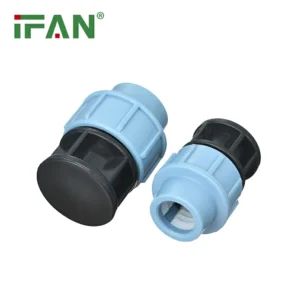
The design of plastic PE plug fittings addresses the critical need for secure, leak-proof pipe end closures in various applications. Manufactured from high-density polyethylene (HDPE) or other polyethylene formulations, these plugs maintain compatibility with the parent piping system while providing reliable sealing performance. Moreover, their simple yet effective design allows for easy installation and removal when future access is required. Consequently, these fittings have become indispensable components in numerous industrial, municipal, and residential piping systems.
This comprehensive guide examines plastic PE plug fittings from multiple perspectives, covering material properties, installation techniques, selection criteria, and maintenance considerations to help you make informed decisions for your projects.
Understanding Plastic PE Plug Fittings
Plastic PE plug fittings are specialized closure components designed to seal the ends of polyethylene pipes securely. These fittings feature a solid, one-piece construction with external ribs or barbs that create interference fits with the internal diameter of PE pipes. The plug design typically includes a pull-out prevention mechanism such as external ribs, locking segments, or compression features that ensure secure retention under pressure. Manufactured from the same material as the piping system, these plugs maintain chemical compatibility and thermal expansion characteristics.
The functional design ensures easy installation while providing reliable long-term sealing performance. Most plugs feature a domed or flat end that completely seals the pipe opening, preventing fluid escape and excluding contaminants. Additionally, many designs incorporate installation aids such as hand grips, tool slots, or visual indicators to ensure proper installation and verification. This attention to design detail makes plastic PE plug fittings suitable for both temporary closures during construction and permanent terminations in completed systems.
Key Advantages of Plastic PE Plug Fittings
The polyethylene construction offers multiple significant benefits:
Excellent Chemical Resistance: Withstands aggressive chemicals and corrosive substances
System Compatibility: Perfect material match with PE piping systems
Corrosion Immunity: Complete resistance to rust and electrochemical corrosion
Pressure Resistance: Maintains seal under system operating pressures
Temperature Tolerance: Suitable for various temperature applications
Easy Installation: Simple push-in or light drive installation
Reusability: Many designs allow for multiple installation cycles
Cost-Effective: Affordable solution for pipe end closures
Professional Installation Guidelines
Proper installation ensures optimal performance and system integrity:
Preparation Phase:
Pipe Inspection: Check pipe end for damage, ovality, or contamination
End Preparation: Cut pipe square and remove all burrs and sharp edges
Surface Cleaning: Clean pipe internal diameter thoroughly
Lubrication: Apply approved lubricant if required by manufacturer
Installation Methods:
Push-In Installation:
Alignment: Align plug squarely with pipe end
Insertion: Push firmly until fully seated
Verification: Check visual indicators or insertion marks
Testing: Conduct pressure test if required
Drive-In Installation:
Positioning: Place plug in pipe end
Driving: Use appropriate driving tool or mallet
Depth Control: Stop at proper insertion depth
Inspection: Verify complete installation
Quality Assurance:
Visual Inspection: Check for proper seating and alignment
Pull Testing: Verify resistance to withdrawal if required
Pressure Testing: Conduct system pressure test
Documentation: Record installation details
Available Configurations
Multiple options accommodate different application needs:
Material Types: HDPE, MDPE, or specialty polyethylene compounds
Size Range: From ½” to 48″ diameters
Pressure Ratings: Various pressure classes available
End Types: Domed, flat, or threaded end configurations
Retention Features: Barbed, ribbed, or locking mechanism designs
Standards Compliance: ISO, ASTM, DIN standards available
Selection Considerations
Key factors for optimal fitting selection:
Pipe Material Compatibility: Match to specific PE pipe material
Pressure Requirements: Choose appropriate pressure rating
Temperature Range: Consider operating temperature limits
Size Specifications: Ensure correct pipe diameter matching
Application Type: Temporary closure vs. permanent installation
Chemical Exposure: Consider fluid compatibility requirements
Installation Method: Select compatible installation type
Regulatory Compliance: Meet relevant industry standards
Technical Specifications
Pressure Rating: 50-200 PSI (depending on size and design)
Temperature Range: -40°C to 60°C (-40°F to 140°F)
Material: High-Density Polyethylene (HDPE) or equivalent
Size Availability: ½” to 48″ diameters
Standards Compliance: ASTM F2160, ISO 4427, DIN 8072
Chemical Resistance: Excellent against most acids, bases, and solvents
Frequently Asked Questions
Q: Are PE plugs reusable?
A: Many designs allow multiple uses, but always check manufacturer specifications.
Q: Can they be used for pressure testing?
A: Yes, when properly rated and installed for the test pressure.
Q: What temperature range can they handle?
A: Typically -40°C to 60°C (-40°F to 140°F) for standard HDPE.
Q: Are they suitable for potable water systems?
A: Only when certified for drinking water applications.
Q: How do I remove an installed plug?
A: Use appropriate extraction tools following manufacturer guidelines.
Common Applications
Essential for numerous industrial scenarios:
Pipe System Termination: Permanent end closures
Future Access Points: Temporary closures for future connections
Testing Applications: Pressure testing and leak testing
Maintenance Operations: Isolating system sections during repairs
Storage Protection: Protecting pipe ends during storage
Construction Phase: Temporary closures during installation
Maintenance Best Practices
Ensure long-term performance and reliability:
Regular Inspection: Check for signs of damage or degradation
Seal Integrity Verification: Monitor for leaks during operation
Cleaning Procedures: Keep plugs clean during storage
Storage Conditions: Protect from UV exposure and damage
Replacement Schedule: Replace if damaged or degraded
Record Keeping: Maintain installation and inspection records
Training: Ensure proper installation techniques are used
Conclusion: Reliable System Closure Solutions
Plastic PE plug fittings provide essential functionality for securing pipe ends in polyethylene systems. Their excellent chemical compatibility, ease of installation, and reliable performance make them ideal for various applications. Furthermore, their cost-effectiveness and reusability make them a practical choice for both temporary and permanent closures.
By selecting quality plastic PE plug fittings and following proper installation practices, you ensure system integrity, prevent contamination, and maintain operational efficiency. Therefore, careful consideration of application requirements and proper installation techniques becomes crucial for optimal system performance. Ultimately, these components represent a valuable investment in piping system reliability and maintenance efficiency.
IFAN factory started in 1993. And IFAN has workshop 120000 square meter with 610 staff. IFAN can design and produce all plumbing pipe and fitting include PPR,PVC,CPVC PPSU HDPE PEXA PEXB PERT pipe and fitting ,brass fitting, brass ball valve ,heating system , gas system , sanitary faucets and hose, In the past 30 Years, IFAN has never forgotten his mission-To protect health and safety. And IFAN factory use best materials to produce high quality pipe and fittings with automatic production line and high tech quality control machines. The most important,IFAN can guarantee that all pipes and fittings manufactured by IFAN are qualified. More information pls feel free contact us Whatsapp.
Related products
 PP Fitting 601
IFAN HDPE Pipe Fittings
- HDPE pipe
IFAN HDPE Pipe
- PP Fitting 601
PP Fittings 601
- PP Fitting 601
PP female socket