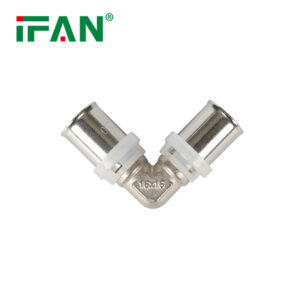
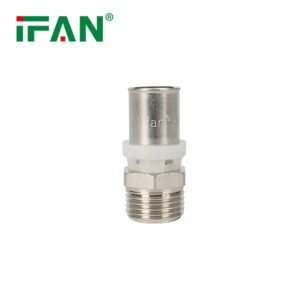
Creating reliable plumbing connections without specialized tools is a priority for both DIY enthusiasts and professional plumbers. PEX Compression Pipe Fitting Sockets (also known as compression couplings or adapters) offer a straightforward solution for joining two PEX pipes end-to-end or connecting PEX to other pipe materials like copper or PVC. Unlike crimped or press fittings, compression sockets use a nut-and-sleeve mechanism to form watertight seals, eliminating the need for expensive equipment. This guide explores their advantages, installation steps, and critical factors to ensure long-lasting, leak-free results.
What Is a PEX Compression Pipe Fitting Socket?
A PEX Compression Pipe Fitting Socket is a two-part connector designed to join two PEX pipes or transition between PEX and other pipe types. It consists of:
Compression Nut: A threaded nut that tightens to secure the connection.
Compression Sleeve (Ring): A brass or plastic ring that compresses around the PEX pipe when tightened.
Compression Insert: A small plastic or metal piece inserted into the PEX pipe to prevent collapsing during tightening.
These fittings are compatible with all PEX types (A, B, and C) and are ideal for both residential and commercial plumbing applications, including potable water systems and radiant heating.Key Features:
Tool-Free Installation: No crimping, soldering, or pressing tools required.
Reversible: Can be disassembled and reused if needed.
Leak-Resistant: Proper installation ensures a durable, watertight seal.
Cold Weather Resistant: Less prone to cracking in freezing temperatures compared to soldered joints.
Versatile: Connects PEX to PEX, copper, or PVC pipes.
Advantages of PEX Compression Pipe Fitting Sockets
Ease of Use: Perfect for tight spaces where soldering or pressing tools are impractical.
DIY-Friendly: No specialized training or equipment needed, making it accessible for homeowners.
Reusability: Unlike press fittings, compression sockets can be adjusted or removed without damage.
Cost-Effective: Reduces labor and material costs by eliminating the need for expensive tools.
Flexibility: Works for repairs, extensions, or transitions between different pipe materials.
How to Install a PEX Compression Pipe Fitting Socket
Follow these steps for a secure, leak-free connection:
Prepare the PEX Pipes
Use a sharp PEX cutter to make clean, square cuts on both pipe ends. Avoid jagged edges.
Remove burrs or debris from the inside and outside of the pipes using a deburring tool or sandpaper.
Insert Compression Inserts
Slide a compression insert into each PEX pipe end. The insert should sit flush with the pipe’s opening to prevent collapsing when tightened.
Slide on Compression Sleeves
Place a compression sleeve (ring) over each PEX pipe, ensuring it covers the area where the insert ends.
Attach the Compression Socket Fitting
Insert one prepared PEX pipe into one end of the compression socket until it reaches the internal stop.
Repeat with the second pipe on the opposite end of the socket.
Thread the compression nuts onto the socket by hand, ensuring they align properly.
Tighten the Nuts
Use an adjustable wrench or pliers to tighten each compression nut snugly. Avoid over-tightening, which can damage the sleeve or pipe.
A good rule of thumb: tighten until firm, then give an additional quarter-turn.
nspect and Test
Check for gaps between the sleeves and socket fitting.
Perform a pressure test (e.g., 100 psi for 30 minutes) to ensure no leaks.
Choosing the Right PEX Compression Pipe Fitting Socket
When selecting a compression socket for your project, consider these factors:
Material: Opt for lead-free brass fittings for potable water systems to comply with safety standards like NSF/ANSI 61.
Size: Ensure the socket matches the pipe diameter (e.g., ½-inch socket for ½-inch PEX).
Application: Choose fittings rated for your specific use (e.g., high-temperature sockets for hot water lines).
Brand Quality: Stick to reputable brands like SharkBite, Apollo, or Watts for reliable performance.
Compatibility: Verify the socket works with your PEX type (A, B, or C).
Common Mistakes to Avoid
Over-Tightening: This can crush the PEX pipe or strip the threads.
Forgetting the Inserts: Omitting compression inserts can lead to leaks or pipe collapse.
Reusing Damaged Fittings: Cracked or corroded sockets should never be reused.
Mixing Pipe Types: Ensure the socket is compatible with both pipes being connected (e.g., PEX-to-copper).
Skipping Pressure Testing: Hidden leaks can cause water damage over time.
FAQs About PEX Compression Pipe Fitting Sockets
Q1: Can PEX compression pipe fitting sockets be used with all types of PEX tubing?
Yes, PEX compression sockets work with PEX-A, PEX-B, and PEX-C tubing.Q2: Are PEX compression sockets reusable?
Yes, most PEX compression sockets can be removed and reused if undamaged.Q3: How tight should a PEX compression socket fitting be?
Tighten until firm, then give an additional quarter-turn. Avoid over-tightening.Q4: Can PEX compression sockets be used underground?
Yes, but protect them with conduit or insulation to prevent damage from shifting soil or rocks.Q5: Do PEX compression sockets require any special tools?
No, an adjustable wrench or pliers is sufficient for installation.
Conclusion
PEX Compression Pipe Fitting Sockets provide a simple, reliable, and cost-effective solution for joining PEX pipes or transitioning between different pipe materials. Their tool-free installation, reusability, and compatibility with multiple PEX types make them a favorite among DIYers and professionals alike. By following proper installation techniques and avoiding common mistakes, you can ensure leak-free performance for years to come. Always prioritize quality fittings and test connections thoroughly to maximize the benefits of this versatile plumbing method.IFAN factory started in 1993. And IFAN has workshop 120000 square meter with 610 staff. IFAN can design and produce all plumbing pipe and fitting include PPR,PVC,CPVC PPSU HDPE PEXA PEXB PERT pipe and fitting ,brass fitting, brass ball valve ,heating system , gas system , sanitary faucets and hose, In the past 30 Years, IFAN has never forgotten his mission-To protect health and safety. And IFAN factory use best materials to produce high quality pipe and fittings with automatic production line and high tech quality control machines. The most important,IFAN can guarantee that all pipes and fittings manufactured by IFAN are qualified. More information pls feel free contact us Whatsapp.



 Compression Fitting