PEX Plumbing Press Fittings: The Modern Solution for Fast
Description
Introduction
In the world of plumbing, PEX press fittings have emerged as a game-changer, offering a faster, more reliable alternative to traditional soldering or crimping methods. Designed for use with PEX pipes—a flexible, corrosion-resistant material widely used in residential and commercial plumbing—press fittings simplify installations by eliminating the need for specialized tools like torches or compression rings. Instead, a simple pressing tool secures the connection, creating a permanent, leak-proof seal in seconds. This guide explores the benefits, applications, installation techniques, and maintenance tips for PEX press fittings, helping plumbers and DIY enthusiasts achieve professional results with minimal effort.
What Are PEX Plumbing Press Fittings?
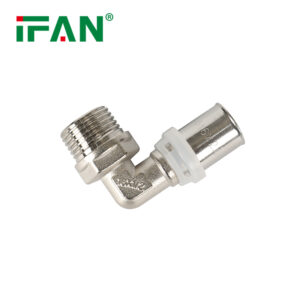
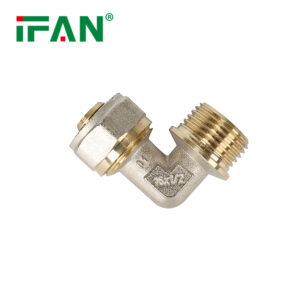
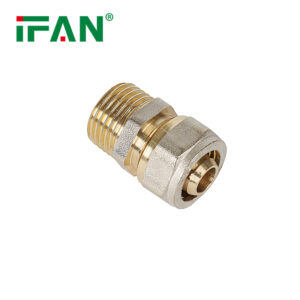
PEX press fittings are mechanical connectors engineered to join PEX pipes without soldering, gluing, or threading. They consist of three key components:
A stainless steel or brass sleeve (press ring): This surrounds the pipe and fitting, ensuring even compression.
An O-ring or EPDM rubber gasket: Creates a watertight seal when compressed.
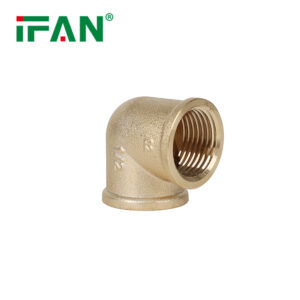
A body (elbow, tee, coupling, etc.): Made from durable brass or polymer, it connects to the pipe end.
When pressed using a dedicated tool (e.g., a jaw-style press gun), the sleeve deforms uniformly, locking the pipe into place and activating the gasket. This method is compatible with PEX-A, PEX-B, and PEX-C pipes, though PEX-A is often preferred for its flexibility and freeze-resistance.
Key Advantages of PEX Press Fittings
Speed and Efficiency
Press fittings reduce installation time by up to 70% compared to soldering or crimping. There’s no need to heat pipes, apply flux, or wait for adhesives to dry. A single press secures the connection, making it ideal for tight spaces or large-scale projects like multi-family housing developments.
Leak-Proof Reliability
The stainless steel sleeve ensures consistent compression, eliminating human error common with crimping rings (which may be over- or under-crimped). The EPDM gasket resists degradation from chlorine, minerals, and temperature fluctuations, maintaining a seal for decades.
No Hot Work Required
Unlike soldering, press fittings don’t involve open flames, reducing fire risks and eliminating the need for ventilation in confined spaces. This makes them safer for renovations in occupied buildings or retrofitting historic homes.
Versatility in Applications
Press fittings work with hot and cold water lines, radiant heating systems, and even snowmelt installations. Their compatibility with PEX’s flexibility allows for smooth turns around corners without elbow fittings, reducing material costs and labor.
Reusable and Adjustable (in some cases)
While most press fittings are permanent, some manufacturers offer reusable press fittings with a release mechanism for adjustments. This is useful during trial fits or system modifications.
Common Applications of PEX Press Fittings
Residential Plumbing Renovations
Homeowners upgrading to PEX for its cost savings and ease of installation often use press fittings to replace aging copper or galvanized steel pipes. The quick installation minimizes disruption, especially in occupied homes.
Commercial Building Projects
High-rise apartments, hotels, and hospitals rely on PEX press fittings for their scalability. The ability to install miles of piping rapidly without soldering accelerates project timelines and reduces labor costs.
Radiant Floor Heating Systems
PEX’s flexibility makes it ideal for embedding in concrete slabs or under flooring. Press fittings simplify connections between manifolds, loops, and supply lines, ensuring even heat distribution without leaks.
Potable Water Systems
PEX press fittings are approved for drinking water applications in most regions, as they don’t leach metals or chemicals like some older materials. Their resistance to scale buildup ensures consistent water flow and pressure.
Snowmelt and Ice Prevention
In cold climates, PEX press fittings connect pipes for heated driveways or walkways, preventing ice formation without the maintenance headaches of traditional salt-based systems.
Installation and Maintenance Tips
Use the Correct Press Tool and Jaws
Select a press tool compatible with your fitting size (e.g., ½”, ¾”, 1”). Most tools feature interchangeable jaws for different diameters. Ensure the tool is calibrated regularly to avoid incomplete presses.
Cut Pipes Cleanly
Use a PEX pipe cutter (not a hacksaw) to make square, burr-free cuts. Debris inside the pipe can damage the O-ring, leading to leaks.
Inspect Fittings Before Pressing
Check for cracks, corrosion, or missing O-rings. Even a small defect can compromise the seal.
Press Perpendicular to the Pipe
Align the tool at a 90-degree angle to the fitting to ensure even compression. Avoid tilting, which can create weak spots.
Pressure Test the System
After installation, conduct a hydrostatic test at 1.5x the operating pressure (e.g., 90 psi for a 60 psi system) for 30 minutes. This reveals leaks before the system is commissioned.
Avoid Over-Bending PEX Pipes
While PEX is flexible, bending it beyond its recommended radius (usually 6x the pipe diameter) can kink or weaken it. Use 90-degree elbows for sharp turns if needed.
IFAN factory started in 1993. And IFAN has workshop 120000 square meter with 610 staff. IFAN can design and produce all plumbing pipe and fitting include PPR,PVC,CPVC PPSU HDPE PEXA PEXB PERT pipe and fitting ,brass fitting, brass ball valve ,heating system , gas system , sanitary faucets and hose, In the past 30 Years, IFAN has never forgotten his mission-To protect health and safety. And IFAN factory use best materials to produce high quality pipe and fittings with automatic production line and high tech quality control machines. The most important,IFAN can guarantee that all pipes and fittings manufactured by IFAN are qualified. More information pls feel free contact us Whatsapp.