The Ultimate Guide to PPR Concealed Valves: A Sleek Solution for Modern Plumbing
In modern bathroom and kitchen design, every detail matters. Tiles and fixtures attract attention, but the plumbing behind the walls ensures true efficiency and elegance. The PPR concealed valve is a key part of this system.
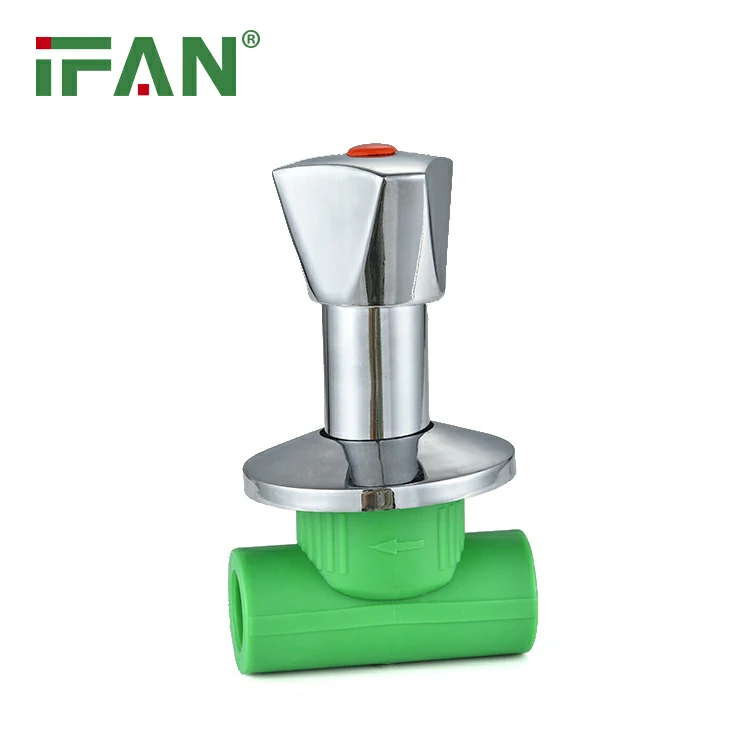
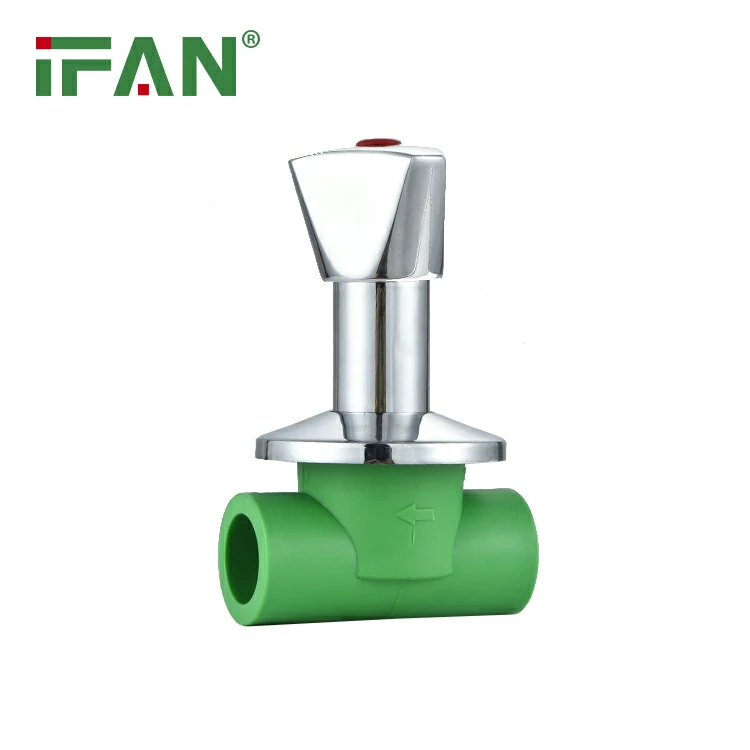
A PPR concealed valve is a shut-off valve made from Polypropylene Random Copolymer (PPR). Professionals install it inside the wall, leaving only a sleek access panel visible. This innovative design combines the durability of PPR piping with a minimalist aesthetic. It is revolutionizing residential and commercial plumbing.
This comprehensive guide will explain the benefits, installation process, and selection criteria for these valves. It is perfect for homeowners, builders, and plumbers.
What is a PPR Concealed Valve?
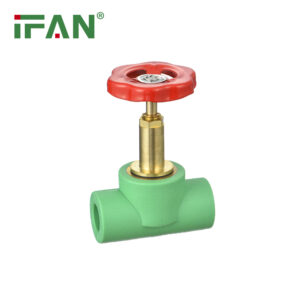
A PPR concealed valve is a type of ball valve. Workers embed it within a wall cavity. They connect it to PPR pipes, which resist heat, corrosion, and offer a long lifespan. A special box or recessed panel houses the valve. A removable cover then blends it seamlessly with your wall tiles or plaster.
This system provides easy access to main water shut-off points for sinks and toilets. It does this without any unsightly handles or pipes on the wall.
Key Benefits of Choosing a Concealed PPR Shut-Off Valve
Why are concealed PPR valves becoming a high-quality construction standard? Here are the top advantages:
Aesthetic Appeal: The main benefit is a clean, uncluttered look. You only see a small, discrete panel, which makes your walls look smooth and minimalist.
Space Saving: Recessing the valve into the wall frees up space. Traditional surface-mounted valves normally take up this space. This is especially valuable in compact bathrooms and kitchens.
Durability and Longevity: PPR resists chemical corrosion, scale buildup, and heat. A PPR ball valve will not rust or degrade over time. It ensures leak-free performance for decades.
Protection: The wall protects the valve from accidental kicks, damage, or tampering. This greatly increases its life.
Hygienic and Easy to Clean: The flat access panel surface is easy to wipe down and keep clean. Traditional valve handles and pipes collect dust and grime.
Installation Process: How to Install a Concealed PPR Valve
Installing a concealed valve requires precision. We always recommend hiring a professional plumber skilled in PPR fusion welding. The general process includes:
Planning and Marking: Determine the valve’s exact location based on the fixture it will control. Mark the position on the wall stud.
Creating the Recess: Cut a hole in the wallboard to fit the concealed valve box.
Fusion Welding: Use a PPR welding machine to heat the valve sockets and the PPR pipe ends. This thermal fusion creates a permanent, monolithic, and leak-proof joint.
Securing the Assembly: Secure the entire assembly and the valve box firmly within the wall frame.
Closing the Wall: After pressure testing the system for leaks, close the wall with plasterboard. Finally, place the decorative access cover over the valve.
How to Choose the Right PPR In-Wall Valve for Your Project
Not all concealed valves are equal. Consider these points before you buy:
Valve Type: Most are ball valves for reliable on/off control. Ensure it operates smoothly.
Size and Connection: Match the valve diameter (e.g., ½”, ¾”) to your PPR pipeline. Check for internal or external threads to connect to fixtures.
Material Quality: Choose valves made from 100% pure PPR material. Avoid recycled plastics to ensure durability and safety for potable water.
Brand Reputation and Certifications: Select products from reputable brands with international certifications (like ISO, NSF). This guarantees they meet quality and safety standards.
The Access Cover: Consider the cover plate’s finish (chrome, white, brushed nickel). It should match your other bathroom or kitchen fixtures.
PPR Concealed Valve: FAQs
Q: Are PPR concealed valves reliable?
A: Absolutely. Proper installation using thermal fusion creates a joint stronger than the pipe itself. The PPR material can last over 50 years without corroding.
Q: Can I access the valve if there’s a problem?
A: Yes, that’s the design’s purpose. You can easily remove the decorative cover plate with a screw. This provides full access to the valve handle for maintenance or an emergency shut-off.
Q: Are they more expensive than traditional valves?
A: The concealed valve system costs more than a basic brass valve. You are paying for a superior aesthetic, premium materials, and a long-term solution that adds value to your property.
Q: Where can I use a concealed PPR stop valve?
A: They are perfect for any application where you want a clean look. Use them behind toilets, under sinks, and for shower and tub faucets.
IFAN factory started in 1993. And IFAN has workshop 120000 square meter with 610 staff. IFAN can design and produce all plumbing pipe and fitting include PPR,PVC,CPVC PPSU HDPE PEXA PEXB PERT pipe and fitting ,brass fitting, brass ball valve ,heating system , gas system , sanitary faucets and hose, In the past 30 Years, IFAN has never forgotten his mission-To protect health and safety. And IFAN factory use best materials to produce high quality pipe and fittings with automatic production line and high tech quality control machines. The most important,IFAN can guarantee that all pipes and fittings manufactured by IFAN are qualified. More information pls feel free contact us Whatsapp.
Related products
 PPR
PPRPPR Pipe