PPR Fitting Brass Valve: Combining Durability and Modern Plumbing Efficiency
Description
Introduction
A PPR fitting brass valve merges the corrosion-resistant, lightweight benefits of PPR (polypropylene random copolymer) piping with the strength and heat tolerance of brass components. These valves are engineered for hot and cold water systems, heating loops, and industrial applications where metal durability is required alongside PPR’s leak-proof installation. This guide covers their construction, use cases, installation best practices, and comparisons to all-plastic or all-metal alternatives.
What Is a PPR Fitting Brass Valve?
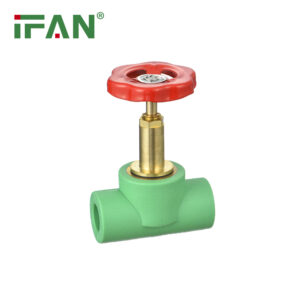
A PPR brass valve features a brass body or critical internal components (e.g., ball, stem, or diaphragm) paired with PPR sockets or threads for connection to PPR pipes. Unlike all-plastic PPR valves, brass variants withstand higher temperatures (up to 120°C) and aggressive fluids, making them suitable for boilers, solar water heaters, and chemical transport. Their hybrid design ensures compatibility with PPR’s heat-fusion installation while leveraging brass’s resistance to deformation, impact, and wear.
Key Features of PPR Fitting Brass Valves
High-Temperature Resistance: Brass components endure boiling water or steam without warping, unlike plastic valves that soften above 95°C.
Corrosion Resistance: Brass (a copper-zinc alloy) resists rust and scale buildup, even in hard water areas where iron valves would degrade.
Pressure Tolerance: Rated for 16–25 bar, these valves handle high-rise plumbing or industrial pressure systems reliably.
Heat-Fusible PPR Sockets: The PPR ends of the valve fuse seamlessly with pipes using socket fusion tools, eliminating leaks from threaded connections.
Lead-Free Compliance: Modern brass valves adhere to NSF/ANSI 372 or EN 12164 standards, ensuring they’re safe for potable water (unlike older leaded brass).
Full Bore Design: Ball valves with brass bodies provide unrestricted flow, reducing pressure drops in heating or cooling systems.
Types of PPR Fitting Brass Valves
PPR Brass Ball Valve
Uses a brass ball and stem for quarter-turn on/off control. Ideal for frequent use in residential hot water lines or industrial shutoffs.
PPR Brass Gate Valve
Features a brass wedge gate lifted by a threaded stem for full-flow operation. Best for low-frequency use in main water supply lines or fire protection systems.
PPR Brass Check Valve
Incorporates a brass spring-loaded disc to prevent backflow in sump pumps, solar thermal systems, or boiler feed lines.
PPR Brass Thermostatic Mixing Valve
Blends hot and cold water via a brass thermostat to maintain safe temperatures (e.g., 38°C) for showers or hospitals.
PPR Brass Pressure Relief Valve
Automatically vents excess pressure from closed heating loops or boilers to prevent explosions, with a brass housing for durability.
Primary Applications
Residential Hot Water Systems
Brass ball valves control water flow to showers, dishwashers, and washing machines, where temperatures exceed 60°C.
Commercial Heating Installations
Gate or ball valves regulate glycol or steam flow in HVAC systems, radiant floor heating, or industrial chillers.
Solar Water Heating
Brass check valves prevent reverse flow of solar-heated water into cold mains, while thermostatic mixing valves ensure safe output temperatures.
Industrial Piping
Brass diaphragm valves handle corrosive chemicals (e.g., acids, solvents) in food processing, pharmaceutical, or textile plants.
Fire Protection Systems
Brass gate valves with PPR connections provide reliable shutoff in sprinkler systems exposed to high heat.
Advantages Over All-Plastic or All-Metal Valves
Hybrid Durability: Brass components resist high heat and pressure, while PPR sockets ensure leak-proof, chemical-resistant connections.
Cost-Effective: Cheaper than stainless steel valves but more durable than all-plastic PPR valves in extreme conditions.
Easy Installation: PPR ends allow heat fusion (no threading or soldering), reducing labor time versus all-metal valves.
Aesthetic Consistency: Brass valves with white PPR sockets blend professionalism with modern design in visible installations.
Installation Guide: Step-by-Step Process
Cut and Prepare PPR Pipes
Use a rotary cutter to squarely cut pipes. Deburr edges with sandpaper to ensure a smooth fit.
Mark Insertion Depth
Measure the valve’s PPR socket depth (typically 10–15mm) and mark pipes with a permanent marker.
Heat the Fitting and Pipe
Preheat a socket fusion tool to 260°C. Heat the valve’s PPR socket and pipe end for 6–10 seconds (follow manufacturer guidelines).
Join the Components
Quickly insert the pipe into the socket until it reaches the marked depth. Hold for 5–10 seconds to cool and solidify.
Test for Leaks
Open the valve and pressurize the system to 1.5x the working pressure (e.g., 15 bar for a 10-bar system). Inspect joints for drips.
Label Valves
Use tags to indicate function (e.g., “Hot Water Inlet” or “Drain Valve”) for future maintenance.
Maintenance and Safety Tips
Lubricate Threads (If Applicable): For valves with brass threaded ends (not heat-fused), use PTFE tape to prevent leaks.
Inspect Seals Annually: Replace worn O-rings or gaskets in thermostatic or mixing valves to maintain precise control.
Avoid Over-Tightening: Excessive force can damage the brass stem or PPR socket.
Flush the System: Periodically open valves fully to clear debris and prevent clogging.
Store Properly: Keep unused valves in a cool, dry place away from direct sunlight to prevent UV degradation of PPR components.
Conclusion
PPR fitting brass valves offer a best-of-both-worlds solution for plumbing and industrial systems requiring metal durability with PPR’s leak-proof installation. Their heat resistance, corrosion immunity, and compatibility with high-pressure applications make them ideal for hot water lines, solar heating, and chemical transport. By selecting the right type (e.g., ball valves for frequent use or thermostatic valves for temperature control) and following proper installation techniques—such as precise heating, alignment, and pressure testing—professionals can ensure reliable, long-lasting performance. Whether upgrading a residential boiler or designing an industrial piping network, these valves provide unmatched versatility and safety.IFAN factory started in 1993. And IFAN has workshop 120000 square meter with 610 staff. IFAN can design and produce all plumbing pipe and fitting include PPR,PVC,CPVC PPSU HDPE PEXA PEXB PERT pipe and fitting ,brass fitting, brass ball valve ,heating system , gas system , sanitary faucets and hose, In the past 30 Years, IFAN has never forgotten his mission-To protect health and safety. And IFAN factory use best materials to produce high quality pipe and fittings with automatic production line and high tech quality control machines. The most important,IFAN can guarantee that all pipes and fittings manufactured by IFAN are qualified. More information pls feel free contact us Whatsapp.



 PPR
PPR PPR
PPR