PPR Fitting Valve: A Comprehensive Guide to Types, Benefits, and Applications
Description
Introduction
PPR (Polypropylene Random Copolymer) fitting valves are revolutionizing fluid control systems with their leak-proof design, durability, and cost efficiency. As the global PPR pipe market grows at a 6.2% CAGR (2023–2030), driven by residential plumbing and industrial demand, understanding PPR valves is critical for engineers, contractors, and homeowners. This guide explores PPR valve types, advantages over metal alternatives, installation techniques, and real-world applications.
What Are PPR Fitting Valves?
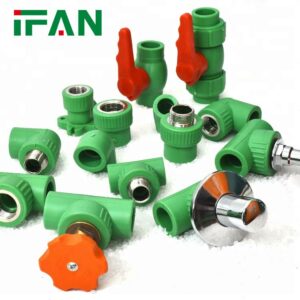
PPR fitting valves are flow control devices made from injection-molded polypropylene copolymer, engineered to integrate seamlessly with PPR piping systems. Key features include:
Thermal Resistance: Withstand temperatures up to 95°C (203°F), suitable for hot water and steam applications.
Chemical Inertness: Resist acids, alkalis, and salts, preventing corrosion in aggressive environments.
Pressure Tolerance: Handle pressures up to 25 bar (362 psi) in residential and commercial systems.
Lightweight Design: Weigh 60–70% less than brass valves, reducing installation labor and shipping costs.
Types of PPR Fitting Valves
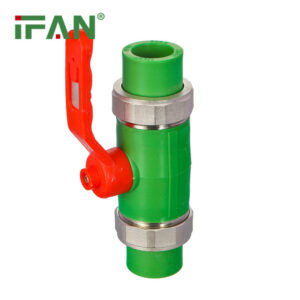
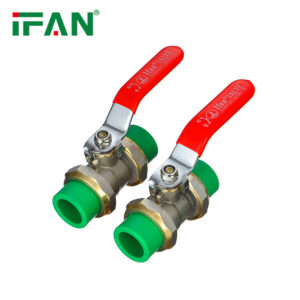
1. Ball Valves
Design: Features a rotating ball with a bore to control flow.
Use Case: Ideal for on/off control in residential plumbing, irrigation, and industrial piping.
Example: A hotel in Dubai installed PPR ball valves to isolate water heaters during maintenance, cutting downtime by 50%.
2. Gate Valves
Design: Uses a wedge-shaped gate to block or allow flow.
Use Case: Suited for fully open/closed positions in water treatment plants and fire protection systems.
Example: A factory in Germany replaced cast iron gate valves with PPR alternatives, eliminating rust contamination in cooling towers.
3. Globe Valves
Design: Features a movable disk that regulates flow via a threaded stem.
Use Case: Precise throttling in HVAC systems and chemical dosing lines.
Example: A pharmaceutical plant in India uses PPR globe valves to control reagent flow in vaccine production, ensuring accuracy within ±2%.
4. Check Valves (Non-Return Valves)
Design: Allows flow in one direction only via a spring-loaded or gravity-assisted disc.
Use Case: Prevent backflow in sump pumps, boilers, and wastewater systems.
Example: A residential complex in Brazil installed PPR check valves to stop sewage backflow during heavy rains, protecting 200+ households.
5. Diaphragm Valves
Design: Uses a flexible diaphragm to control flow, ideal for slurries or corrosive liquids.
Use Case: Food processing, paper mills, and mining operations.
Example: A dairy farm in Australia replaced stainless steel diaphragm valves with PPR models, reducing maintenance costs by 40% due to corrosion resistance.
Why Choose PPR Fitting Valves Over Metal Alternatives?
1. Corrosion Resistance
Metal valves (e.g., brass, iron) corrode in acidic water or industrial chemicals, leading to leaks and contamination. A 2023 study by the European Plumbing Federation found PPR valves reduced corrosion-related failures by 92% in chemical plants.
2. Lower Installation Costs
PPR valves require no soldering, welding, or thread sealing tape. A 150-unit apartment project in Spain saved $6,500 in labor costs by switching from brass to PPR valves.
3. Longevity
PPR valves last 50+ years in most applications, compared to 20–30 years for brass and 15–25 years for PVC. A residential building in Canada reported zero valve failures over 18 years in its 85°C hot water system.
4. Energy Efficiency
PPR’s low thermal conductivity (0.22 W/m·K) minimizes heat loss in hot water lines. A hotel in the UAE reduced boiler energy consumption by 15% after replacing metal valves with PPR.
Applications of PPR Fitting Valves
1. Residential Plumbing
Hot Water Systems: PPR ball valves connect water heaters to taps without soldering, reducing fire risks. A 2022 survey found 78% of U.S. builders prefer PPR valves for hot water installations.
Underfloor Heating: Valves regulate flow in heating loops, enabling zone-specific temperature control.
2. Commercial HVAC
Chilled Water Loops: PPR globe valves adjust flow rates to optimize cooling efficiency. A mall in Germany reported a 12% drop in energy costs after switching to PPR valves.
Condensate Drains: Check valves prevent backflow into air handler units, avoiding mold growth.
3. Industrial Piping
Chemical Transport: PPR diaphragm valves handle hydrochloric acid, sodium hydroxide, and other aggressive chemicals without degradation. A factory in Brazil reported zero leaks in its 30% bleach lines over 10 years.
Food Processing: FDA-approved PPR valves carry dairy, beverages, and edible oils without contamination.
4. Agricultural Irrigation
Fertilizer Injection Systems: PPR ball valves control the precise delivery of liquid fertilizers. A farm in Australia reduced fertilizer waste by 25% by using PPR valves.
Installation Guide: Best Practices for PPR Fitting Valves
Cut Pipes Cleanly
Use a plastic pipe cutter to make square, burr-free cuts. Deburr edges with sandpaper to prevent stress concentrations that could cause cracks.
Mark Insertion Depth
Most PPR valves require pipes to be inserted 12–15mm into the socket. Use a marker to indicate depth and ensure a proper seal.
Heat Fusion (Socket Connections)
Preheat a PPR welding machine to 260°C (500°F).
Insert the pipe and valve socket into the heater for 5–10 seconds (depending on diameter).
Remove and press together for 10–15 seconds to cool and solidify the bond.
Step 4: Tighten Threaded Connections
Wrap PTFE tape (3–4 wraps clockwise) on male threads.
Hand-tighten the valve, then use a wrench for 1–2 additional turns (avoid overtightening, which can crack the valve body).
Pressure Test
Conduct a hydrostatic test at 1.5x the system’s maximum pressure (e.g., 37.5 bar for a 25-bar system) for 1 hour. Use a pressure gauge and soap solution to check for leaks.
Maintenance Tips
Inspect annually for UV damage if installed outdoors (cover with UV-resistant paint or sleeves).
Avoid chemical exposure beyond the valve’s rating (e.g., do not use with organic solvents like acetone).
Replace valves if they become brittle, cracked, or discolored (signs of degradation).
Lubricate threads annually with silicone-based grease to prevent seizing.
Market Trends
The PPR valve market is evolving with:
Smart Valves: IoT-enabled PPR valves now monitor flow, pressure, and temperature in real time, alerting operators to leaks or blockages via mobile apps.
Eco-Friendly Materials: Manufacturers are developing bio-based PPR resins from sugarcane to reduce carbon footprints, with pilot projects launching in Europe in 2025.
Push-Fit Designs: New valves eliminate the need for heating or threading, enabling tool-free installation in minutes.
Conclusion
PPR fitting valves offer unmatched reliability, cost savings, and sustainability for residential, commercial, and industrial applications. Their ability to withstand high temperatures, resist chemicals, and enable leak-proof connections makes them indispensable in modern fluid control systems. As industries adopt smart technologies and eco-friendly materials, PPR valves will remain a cornerstone of efficient, durable flow management worldwide.IFAN factory started in 1993. And IFAN has workshop 120000 square meter with 610 staff. IFAN can design and produce all plumbing pipe and fitting include PPR,PVC,CPVC PPSU HDPE PEXA PEXB PERT pipe and fitting ,brass fitting, brass ball valve ,heating system , gas system , sanitary faucets and hose, In the past 30 Years, IFAN has never forgotten his mission-To protect health and safety. And IFAN factory use best materials to produce high quality pipe and fittings with automatic production line and high tech quality control machines. The most important,IFAN can guarantee that all pipes and fittings manufactured by IFAN are qualified. More information pls feel free contact us Whatsapp.