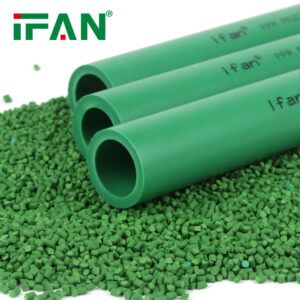
When it comes to modern plumbing and industrial piping, PPR pipe (Polypropylene Random Copolymer pipes) have revolutionized the industry with their durability, chemical resistance, and eco-friendly design. Widely used in residential, commercial, and industrial settings, PPR pipes outperform traditional materials like PVC, copper, and galvanized steel in terms of longevity, safety, and cost efficiency. This guide delves into the features, applications, installation methods, and maintenance tips for PPR pipes, helping you make informed decisions for your next project.
What Is a PPR Pipe?
A PPR pipe is a thermoplastic piping system made from polypropylene random copolymer, a lightweight yet robust material engineered for high-performance fluid transport. Key characteristics include:
Temperature resistance: Operates safely from -20°C to 95°C (-4°F to 203°F), with short-term tolerance up to 110°C (230°F).
Pressure rating: Handles pressures up to 25 bar (363 psi), depending on pipe diameter and wall thickness.
Chemical inertness: Resistant to acids, alkalis, and salts, making it suitable for aggressive environments.
Smooth interior: Reduces friction loss and prevents scaling, ensuring consistent flow rates.
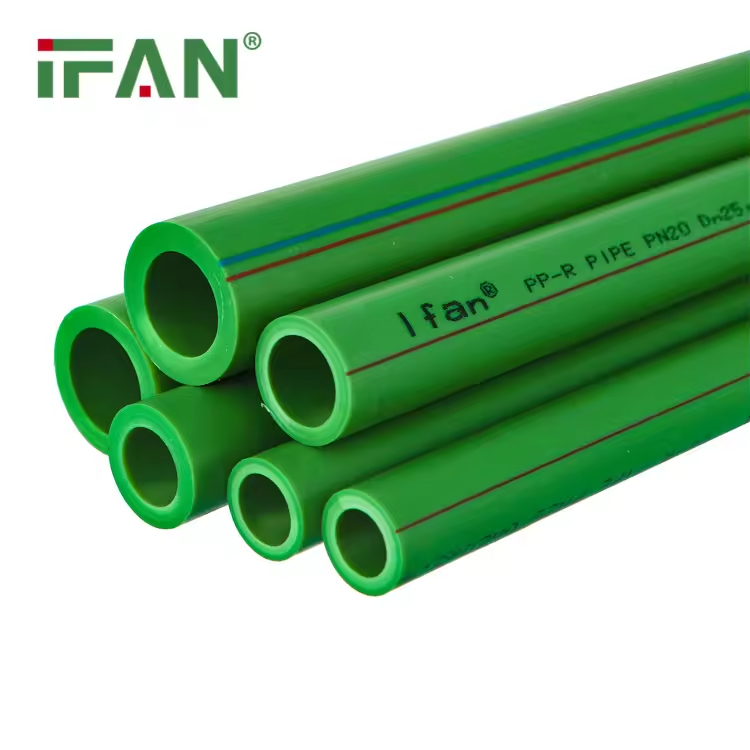
PPR pipes are available in standard diameters (20mm–160mm) and lengths (4m), with options for color-coding (e.g., green for cold water, orange for hot water) to simplify identification.
Key Benefits of PPR Pipes
Longevity and Durability
PPR pipes are immune to corrosion, rust, and electrochemical reactions, ensuring a 50+ year lifespan even in harsh conditions. Unlike metal pipes, they won’t degrade from acidic water or soil chemicals.
Thermal Efficiency
The low thermal conductivity of PPR minimizes heat loss in hot water systems, reducing energy consumption by up to 30% compared to metal alternatives.
Easy Installation
Lightweight and flexible, PPR pipes are 70% lighter than steel pipes, cutting labor costs. Socket fusion welding creates leak-proof joints in minutes without heavy machinery.
Hygienic and Safe
PPR is non-toxic and FDA-approved for potable water systems. Its smooth surface inhibits bacterial growth, making it ideal for hospitals, food processing, and residential plumbing.
Cost-Effective
While slightly more expensive than PVC upfront, PPR’s longevity and low maintenance needs result in a lower total cost of ownership over decades.
Environmentally Friendly
PPR is 100% recyclable and produces no harmful emissions during welding, aligning with green building standards like LEED and BREEAM.
Common Applications of PPR Pipes
Residential Plumbing
Transporting hot and cold water in homes, apartments, and hotels. Their noise-dampening properties also reduce water hammer effects.
Commercial Buildings
HVAC systems, fire sprinklers, and chilled water distribution in offices, malls, and schools.
Industrial Piping
Conveying chemicals, solvents, and compressed air in factories, laboratories, and pharmaceutical plants.
Agriculture and Irrigation
Distributing fertilizers, pesticides, and water in farms and greenhouses, where UV-resistant PPR variants withstand sunlight exposure.
Underfloor Heating
PPR’s thermal stability makes it ideal for radiant heating systems, maintaining consistent temperatures without leaks.
Swimming Pools and Spas
Handling chlorinated water without corrosion, ensuring long-term reliability.
How to Install PPR Pipes
Gather Tools and Materials:
PPR pipes and fittings (elbows, tees, valves, etc.)
Pipe cutter or hacksaw
Deburring tool
Measuring tape and marker
Socket fusion welder or electric heating plate
Cut and Prepare pipes:
Measure and mark the pipe at the desired length.
Use a pipe cutter for a clean, square cut.
Remove burrs with a deburring tool to ensure a tight fit.
Dry-Fit Components:
Temporarily assemble the pipe and fitting to check alignment.
Leave a 1–2mm gap for thermal expansion.
Join the Pipes:
Socket Fusion Welding:
Heat the socket fusion welder to the manufacturer’s recommended temperature (typically 260°C/500°F).
Insert the pipe end and fitting socket into the welder for 5–10 seconds (adjust based on pipe diameter).
Quickly remove and press the components together, holding for 10–15 seconds to cool.
Electric Fusion Welding:
Peel back the protective film from the electrofusion coil on the fitting.
Insert the pipe ends into the sockets until they bottom out.
Clamp the welder leads to the coil terminals and activate the current for the specified time.
Test for Leaks:
Pressurize the system to 1.5x the operating pressure (e.g., 7.5 bar for a 5-bar system).
Inspect joints for leaks using soapy water. Bubbles indicate a faulty weld.
Pro Tip: Use pipe supports every 0.8–1 meter to prevent sagging under the weight of fluid.
Common Mistakes to Avoid
Overheating the Welder: Excessive heat can melt the PPR material, weakening joints.
Skipping Deburring: Burrs can scratch the fitting interior, reducing bond strength.
Using Incompatible Fittings: Ensure all components are labeled “PPR” to avoid chemical reactions.
Ignoring Temperature Limits: Do not expose PPR pipes to temperatures above 95°C (203°F) continuously.
Improper Storage: Keep PPR pipes away from direct sunlight and extreme temperatures before installation.
Maintenance Tips for PPR Pipes
Annual Inspections: Check for cracks, discoloration, or leaks, especially at welds and bends.
Avoid Abrasive Cleaners: Use mild detergents to prevent scratching the PPR surface, which can harbor bacteria.
Monitor Water Pressure: Sudden drops may indicate blockages or internal erosion.
Replace Damaged Sections: Even minor cracks can lead to catastrophic failure under pressure.
Protect from UV Exposure: Use UV-stabilized pipes or apply protective coatings for outdoor installations.
Conclusion
PPR pipes offer a versatile, sustainable, and cost-effective solution for modern plumbing and industrial piping systems. Their resistance to corrosion, chemicals, and high temperatures ensures reliable performance in residential, commercial, and agricultural applications. By selecting the right pipe size, following proper installation techniques, and adhering to maintenance best practices, you can maximize the lifespan of PPR pipes while minimizing downtime and repair costs. Whether upgrading an existing system or designing a new pipeline, PPR pipes provide the durability and efficiency needed to meet today’s demands.IFAN factory started in 1993. And IFAN has workshop 120000 square meter with 610 staff. IFAN can design and produce all plumbing pipe and fitting include PPR,PVC,CPVC PPSU HDPE PEXA PEXB PERT pipe and fitting ,brass fitting, brass ball valve ,heating system , gas system , sanitary faucets and hose, In the past 30 Years, IFAN has never forgotten his mission-To protect health and safety. And IFAN factory use best materials to produce high quality pipe and fittings with automatic production line and high tech quality control machines. The most important,IFAN can guarantee that all pipes and fittings manufactured by IFAN are qualified. More information pls feel free contact us Whatsapp.



 PPR
PPR PPR
PPR