Introduction: The Role of PPR Pipe Fitting Sockets in Plumbing
In contemporary plumbing systems, PPR pipe fitting sockets have emerged as a cornerstone component. These innovative fittings bridge the gap between individual pipes, ensuring seamless connectivity and long-term durability. Unlike traditional materials, PPR sockets offer superior resistance to corrosion, scaling, and chemical degradation, making them ideal for both residential and industrial applications. This article delves into the mechanics, benefits, and installation nuances of PPR pipe fitting sockets, offering insights for professionals and DIY enthusiasts alike.
Understanding PPR Pipe Fitting Sockets
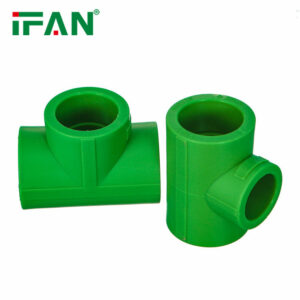
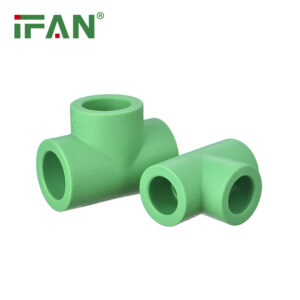
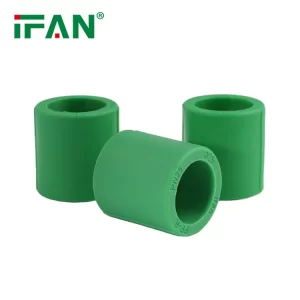
PPR pipe fitting sockets are engineered to securely join PPR pipes, creating a unified network for water and fluid transport. Their design integrates a socket-and-spigot mechanism, where one end of the fitting accommodates the pipe’s diameter, and the other end connects to adjacent components. This dual-functionality eliminates the need for additional adapters or clamps, streamlining installation processes.
The material itself—PPR—is a thermoplastic known for its thermal stability and flexibility. It withstands temperatures ranging from -20°C to 95°C, making it suitable for hot and cold water systems. Moreover, PPR’s non-toxic composition ensures compliance with health standards, a critical factor in drinking water applications.
Advantages Over Traditional Fittings
- Corrosion Resistance: Unlike metal fittings, PPR sockets do not rust or degrade over time, even in harsh environments. This longevity reduces maintenance costs and extends the system’s lifespan.
- Leak-Proof Connections: The socket’s design incorporates a heat-fusion mechanism, where the pipe and fitting are melted together using specialized tools. This creates a monolithic structure, eliminating joints that could fail under pressure.
- Lightweight and Easy Handling: PPR sockets are significantly lighter than metal alternatives, facilitating transportation and installation. Their flexibility also allows for bending within certain limits, reducing the need for additional elbows.
- Cost-Effectiveness: While the initial investment may be higher than PVC or copper, PPR’s durability and low maintenance requirements translate to long-term savings.
Applications Across Industries
The versatility of PPR sockets extends beyond residential plumbing. In industrial settings, they are used in chemical processing plants, where resistance to aggressive chemicals is paramount. Agricultural irrigation systems also benefit from PPR’s UV resistance and ability to withstand seasonal temperature fluctuations.
In healthcare facilities, PPR’s non-porous surface prevents bacterial growth, ensuring compliance with hygiene standards. Similarly, in commercial buildings, these fittings contribute to energy-efficient water distribution systems, thanks to their smooth interior that reduces friction losses.
Installation Best Practices
- Surface Preparation: Ensure pipes and fittings are clean and free of debris. Use a deburring tool to remove sharp edges from cut pipes.
- Heating Technique: Employ a dedicated socket fusion machine to heat both the pipe and fitting evenly. Overheating can cause material degradation, while underheating may result in a weak bond.
- Alignment and Pressure: After heating, insert the pipe into the socket with a slight twisting motion. Apply uniform pressure until the joint cools, ensuring a tight seal.
- Testing: Perform a pressure test post-installation to detect any leaks. This step is crucial for verifying the integrity of the system.
Common Challenges and Solutions
- Overheating: If the fitting or pipe appears discolored or distorted, it may have been overheated. Discard the damaged components and repeat the process with adjusted settings.
- Underheating: A loose joint may indicate insufficient heat. Reheat the components and ensure proper alignment during insertion.
- Contamination: Foreign particles can compromise the bond. Always work in a clean environment and use protective gloves to avoid transferring oils or dirt.
Maintenance and Longevity
PPR pipe fitting sockets require minimal maintenance. Periodic inspections for cracks or discoloration are recommended, especially in areas exposed to direct sunlight. When upgrading systems, PPR’s compatibility with push-fit and compression fittings offers flexibility in design.
Future Trends and Innovations
Manufacturers are exploring composite materials that enhance PPR’s strength and environmental resistance. Smart plumbing systems, integrating sensors for real-time monitoring, may also leverage PPR’s durability. These advancements aim to further reduce water waste and improve system efficiency.
Conclusion: Embracing the PPR Revolution
PPR pipe fitting sockets represent a paradigm shift in plumbing technology. Their blend of durability, efficiency, and adaptability positions them as a sustainable choice for modern infrastructure. By understanding their mechanics, benefits, and installation best practices, professionals and homeowners can harness the full potential of this transformative material.
In a world increasingly focused on sustainability and efficiency, PPR pipe fitting sockets stand as a testament to innovation in plumbing solutions.
IFAN factory started in 1993. And IFAN has workshop 120000 square meter with 610 staff. IFAN can design and produce all plumbing pipe and fitting include PPR,PVC,CPVC PPSU HDPE PEXA PEXB PERT pipe and fitting ,brass fitting, brass ball valve ,heating system , gas system , sanitary faucets and hose, In the past 30 Years, IFAN has never forgotten his mission-To protect health and safety. And IFAN factory use best materials to produce high quality pipe and fittings with automatic production line and high tech quality control machines. The most important,IFAN can guarantee that all pipes and fittings manufactured by IFAN are qualified. More information pls feel free contact us Whatsapp.
Related products
 PPR
PPRTee
- PPR
IFAN PPR TEE
 PPR
PPRPRR Elbow