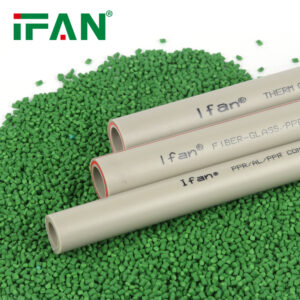
Plumbing systems require reliable, corrosion-resistant materials that ensure long-lasting performance. PPR (Polypropylene Random Copolymer) pipe fittings have become a global standard for hot and cold water supply lines, radiant heating systems, and industrial piping. Known for their durability, heat fusion capabilities, and eco-friendly design, PPR fittings outperform traditional metal and PVC alternatives in many applications. This guide explores their advantages, installation techniques, and key considerations for selecting the best PPR fittings for your needs.
What Are PPR Pipe Fittings?
PPR pipe fittings are thermoplastic connectors made from polypropylene random copolymer, a material engineered for high-temperature resistance and chemical stability. These fittings are designed to join PPR pipes—a lightweight, flexible, and non-toxic piping system—using heat fusion or mechanical methods.Key Components:
PPR Pipes: Available in standard sizes (e.g., 20mm to 110mm) and colors (white, green, gray) to indicate usage (hot/cold water).
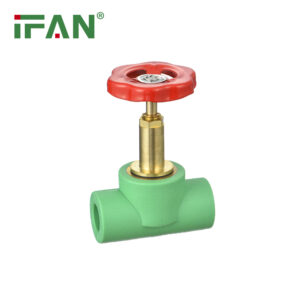
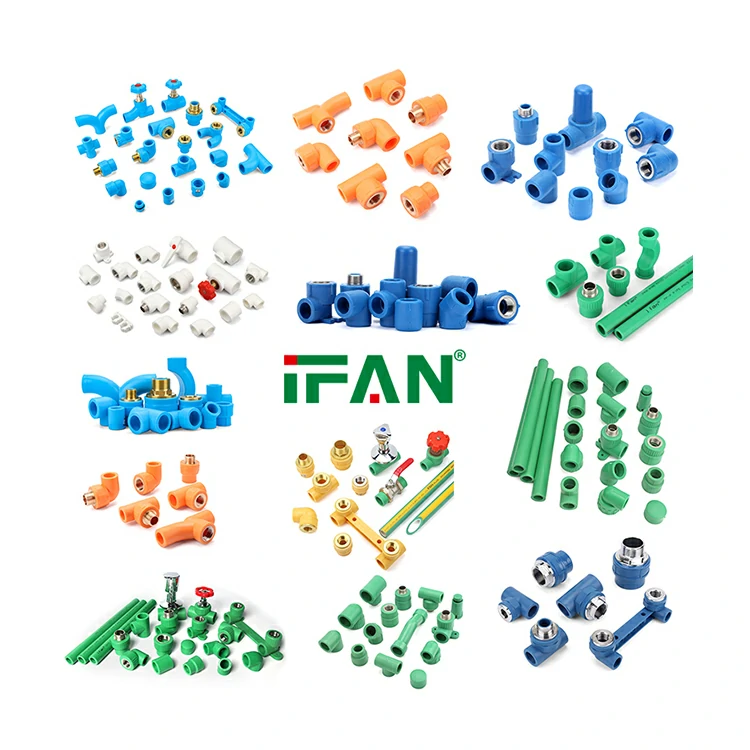
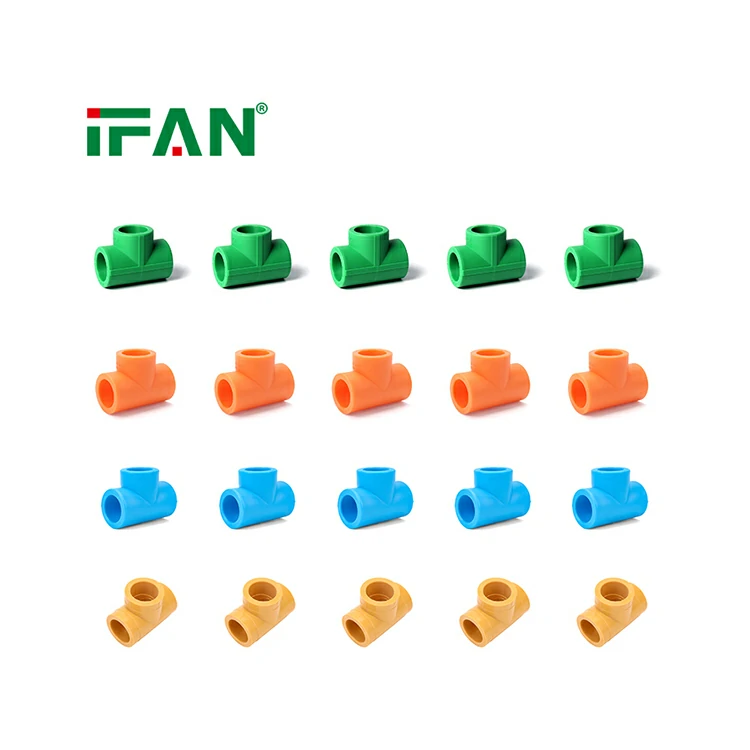
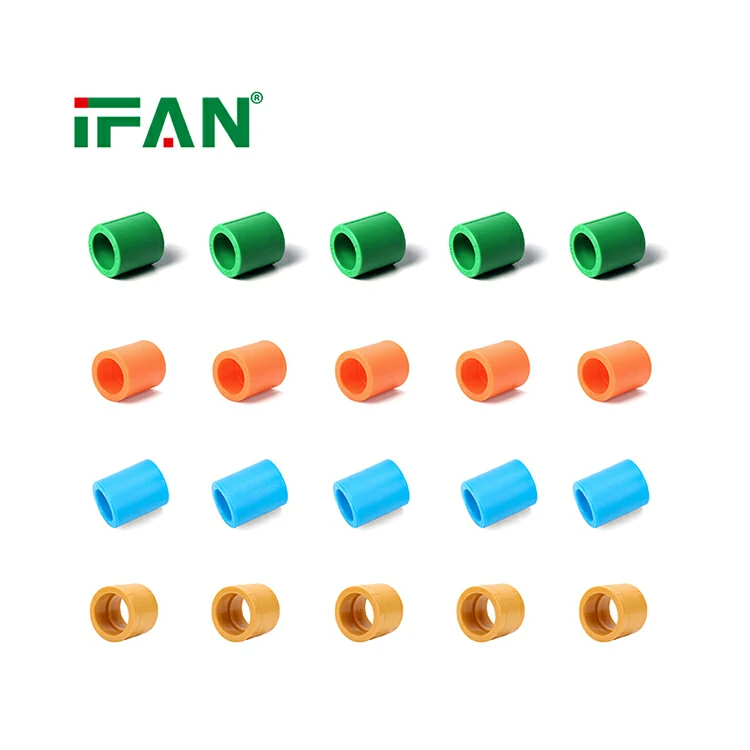
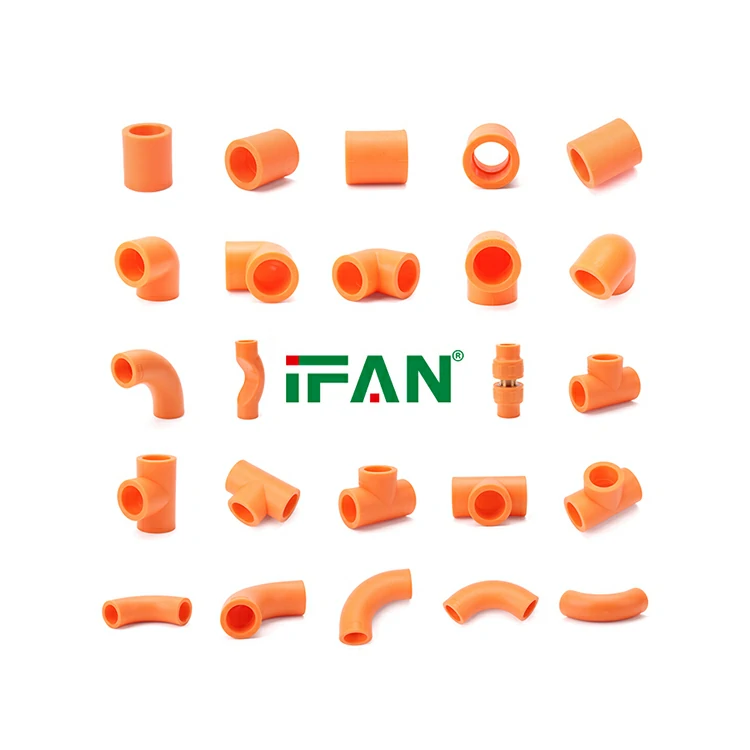
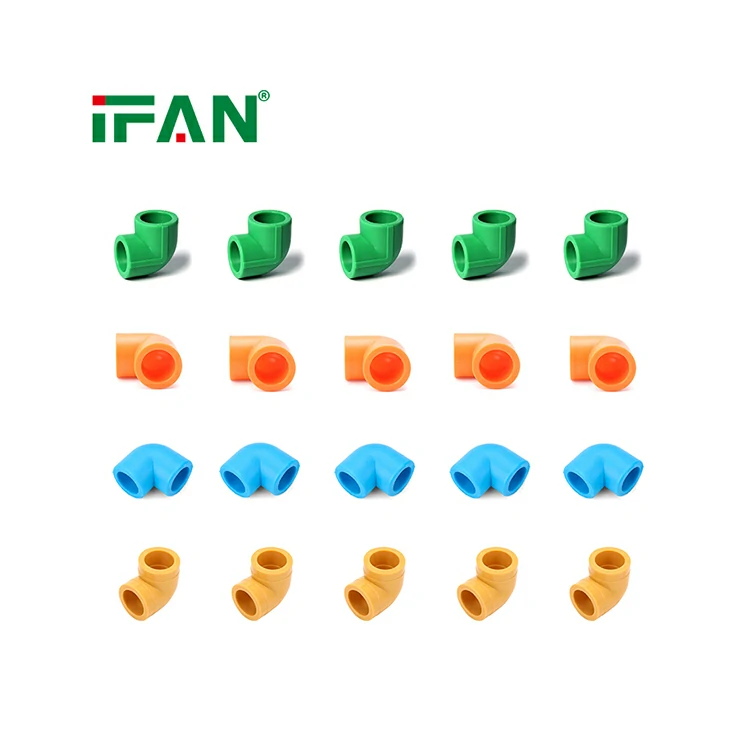
PPR Fittings: Include elbows, tees, couplings, reducers, valves, and end caps, all made from the same PPR material for seamless compatibility.
Heat Fusion Tools: Used to weld fittings to pipes, creating a monolithic joint that eliminates leaks.
Common Applications:
Residential plumbing (hot/cold water supply).
Radiant floor heating systems.
Industrial piping for chemicals and compressed air.
Agricultural irrigation.
Advantages of PPR Pipe Fittings
Leak-Proof Joints: Heat fusion creates a single piece of plastic, eliminating weak points found in threaded or glued connections.
Corrosion Resistance: Unlike metal pipes, PPR fittings resist rust, scaling, and chemical degradation, ensuring clean water flow.
High Temperature Tolerance: PPR can withstand temperatures up to 95°C (203°F), making it ideal for hot water systems.
Longevity: With a lifespan of 50+ years, PPR systems require minimal maintenance.
Eco-Friendly: PPR is recyclable and free from toxic additives like lead or phthalates, complying with global safety standards (e.g., NSF, WRAS).
Cost-Effective: Lower installation costs due to lightweight material and simplified jointing methods.
How to Install PPR Pipe Fittings
Proper installation is critical for ensuring leak-free performance. Follow these steps:
Cut the PPR Pipe
Use a sharp plastic pipe cutter to make a clean, square cut. Avoid jagged edges that can weaken the joint.
Deburr the Pipe
Remove burrs or debris from the inside and outside of the pipe using a deburring tool or sandpaper.
Mark the Insertion Depth
Measure and mark the insertion depth on the pipe using a permanent marker. This ensures the fitting is fully seated during welding.
Step 4: Heat the Pipe and Fitting
Use a PPR welding machine (socket fusion tool) to heat both the pipe end and the fitting socket simultaneously. Follow the manufacturer’s recommended heating time (usually 5–20 seconds, depending on pipe size).
Join the Pipe and Fitting
Quickly insert the heated pipe into the heated fitting socket until it reaches the marked depth. Hold the joint in place for a few seconds to allow cooling.
Cool and Inspect
Let the joint cool completely (typically 2–5 minutes) before applying pressure. Inspect for gaps or misalignment.
Alternative Method: Mechanical Fittings
For quick repairs or temporary connections, use compression or push-fit PPR fittings. These require no heat but may not match the durability of fused joints.
Choosing the Right PPR Pipe Fittings
Consider these factors when selecting PPR fittings:
Size Compatibility: Ensure fittings match the pipe diameter (e.g., 25mm fitting for 25mm pipe).
Pressure Rating: Choose fittings rated for your system’s maximum pressure (e.g., PN16 for residential plumbing).
Color Coding: Use green for cold water, white/gray for hot water, and other colors for industrial applications.
Certification: Look for fittings certified to international standards like ISO 15874, DIN 8077/8078, or ASTM F2389.
Brand Reliability: Opt for reputable manufacturers like Georg Fischer, Uponor, or Rifeng for consistent quality.
Common Mistakes to Avoid
Insufficient Heating Time: Underheating leads to weak joints; overheating can deform the pipe.
Incomplete Insertion: Failing to push the pipe fully into the fitting creates gaps for leaks.
Using Incompatible Materials: Mixing PPR with PVC or metal fittings can cause chemical reactions or joint failure.
Skipping Deburring: Burrs can scratch the fitting socket during insertion, compromising the seal.
Rushing the Cooling Process: Moving the joint before it cools can disrupt the fusion bond.
FAQs About PPR Pipe Fittings
Q1: Can PPR pipe fittings be used for drinking water systems?
Yes, PPR is non-toxic and approved for potable water applications worldwide.Q2: What is the maximum temperature PPR fittings can handle?
PPR fittings can withstand continuous temperatures up to 95°C (203°F) and short-term exposure to 110°C (230°F).Q3: Are PPR fittings recyclable?
Yes, PPR is 100% recyclable and can be repurposed into new plastic products.Q4: Can PPR pipes be installed outdoors?
PPR is UV-resistant but should be protected from direct sunlight with insulation or cladding for long-term outdoor use.Q5: How long do PPR pipe fittings last?
When installed correctly, PPR systems can last over 50 years without significant degradation.
Conclusion
PPR pipe fittings offer a durable, cost-effective, and eco-friendly solution for modern plumbing needs. Their heat fusion technology ensures leak-proof joints, while their resistance to corrosion and high temperatures makes them ideal for residential, commercial, and industrial applications. By following proper installation techniques and selecting certified fittings, you can build a plumbing system that stands the test of time. Whether you’re a DIY enthusiast or a professional plumber, PPR pipe fittings provide the reliability and performance you need for any project.IFAN factory started in 1993. And IFAN has workshop 120000 square meter with 610 staff. IFAN can design and produce all plumbing pipe and fitting include PPR,PVC,CPVC PPSU HDPE PEXA PEXB PERT pipe and fitting ,brass fitting, brass ball valve ,heating system , gas system , sanitary faucets and hose, In the past 30 Years, IFAN has never forgotten his mission-To protect health and safety. And IFAN factory use best materials to produce high quality pipe and fittings with automatic production line and high tech quality control machines. The most important,IFAN can guarantee that all pipes and fittings manufactured by IFAN are qualified. More information pls feel free contact us Whatsapp.


 PPR
PPR