PPR Pipe: The Ultimate Guide to Polypropylene Random
Description
Known for its exceptional resistance to heat, pressure, and chemicals, PPR pipes have become the preferred choice for residential, commercial, and industrial applications worldwide.
1. What Is PPR Pipe?
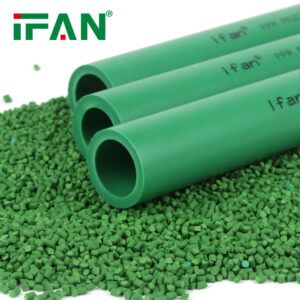
PPR (Polypropylene Random Copolymer) pipe is a type of thermoplastic piping system engineered for high-performance fluid transport. Unlike traditional materials such as galvanized steel, copper, or PVC, PPR pipes combine the best properties of polypropylene with enhanced flexibility and impact resistance due to their random copolymer structure.
Key Characteristics of PPR Pipes:
High Temperature Resistance: Can withstand continuous operating temperatures up to 70°C (158°F) and short-term exposure up to 95°C (203°F).
Excellent Pressure Rating: Suitable for high-pressure applications (up to 25 bar / 362 psi depending on diameter and wall thickness).
Chemical Resistance: Unaffected by most acids, alkalis, and salts, making it ideal for potable water and industrial fluids.
Corrosion-Free: Does not rust, scale, or degrade over time, ensuring long-term reliability.
Smooth Inner Surface: Minimizes friction loss and prevents biofilm buildup, improving hydraulic efficiency.
Lightweight & Easy to Handle: Approximately 75% lighter than steel pipes, reducing transportation and installation costs.
Long Service Life: Typically lasts 50+ years with proper installation and maintenance.
Eco-Friendly: Recyclable and free from toxic substances like lead, making it safe for drinking water systems.
These properties make PPR pipes a superior alternative to metal and other plastic piping systems in various applications.
2. Why Choose PPR Pipe Over Alternatives?
2.1 Superior Heat & Pressure Performance
PPR pipes outperform PVC and PEX in high-temperature applications:
PVC pipes degrade above 60°C (140°F), limiting their use in hot water systems.
PEX pipes have lower chemical resistance and may require oxygen barriers for certain applications.
Copper pipes are expensive, prone to corrosion in acidic water, and require soldering, which can be hazardous.
PPR pipes maintain structural integrity even under extreme conditions, making them ideal for:
Hot water distribution (e.g., residential plumbing, hotels, hospitals)
Heating systems (underfloor heating, radiator connections)
While PPR pipes may have a slightly higher upfront cost than PVC, their longevity and resistance to corrosion reduce long-term maintenance and replacement expenses. Unlike metal pipes, PPR does not require anti-corrosion coatings or frequent inspections.
2.3 Environmentally Sustainable
PPR is a 100% recyclable material, and its production generates fewer greenhouse gases compared to metals. Additionally, its leak-proof design prevents water wastage, contributing to water conservation efforts.
2.4 Easy & Safe Installation
PPR pipes are joined using heat fusion welding, creating seamless, monolithic connections that eliminate the risk of leaks. Unlike threaded or glued joints, fusion welding ensures:
Permanent, leak-proof bonds
No need for chemicals or adhesives
Faster installation than soldering copper pipes
3. Types of PPR Pipes & Fittings
PPR piping systems are available in various configurations to suit different applications:
3.1 Standard PPR Pipes
Available in diameters from 16mm to 160mm, these pipes are used for:
Cold & hot water supply in residential and commercial buildings
Underfloor heating systems
Air conditioning and refrigeration lines
3.2 PPR-Aluminum-PPR (PPR-Al-PPR) Pipes
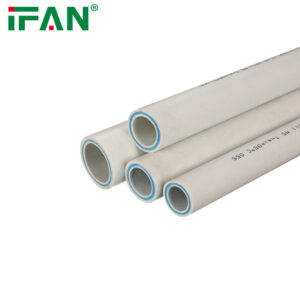
These composite pipes feature an aluminum layer sandwiched between two PPR layers, offering:
Enhanced oxygen diffusion resistance (prevents corrosion in heating systems)
Improved rigidity (reduces expansion and contraction in hot water applications)
Better thermal insulation (reduces heat loss)
3.3 PPR Fittings
PPR fittings are manufactured from the same material as the pipes, ensuring compatibility and durability. Common fittings include:
Elbows (90° & 45°) – For directional changes
Tees & Crosses – For branching lines
Couplings & Reducers – For connecting pipes of different diameters
End Caps & Plugs – For sealing pipe ends
Flanges & Flange Adapters – For connecting to metal systems
3.4 PPR Valves
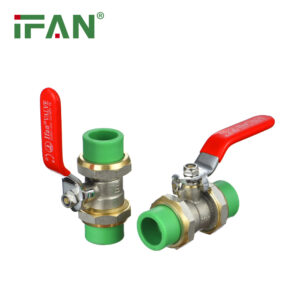
PPR ball valves, gate valves, and check valves control fluid flow while maintaining chemical resistance and leak-proof operation.
4. How to Install PPR Pipes
Proper installation is crucial for ensuring leak-free, long-lasting PPR piping systems. The most common method is heat fusion welding, which creates strong, permanent joints.
Office building HVAC systems (chilled water and air conditioning lines)
5.3 Industrial Applications
Chemical transport (acids, alkalis, solvents)
Cooling water systems in factories and power plants
Food & beverage processing (potable water and CIP systems)
5.4 Agricultural & Irrigation Systems
Drinking water lines for livestock
Fertilizer and pesticide distribution (resisting aggressive chemicals)
6. Conclusion
PPR pipe is a high-performance, cost-effective, and eco-friendly solution for modern plumbing and industrial piping systems. Its exceptional resistance to heat, pressure, and chemicals, combined with easy installation and long service life, makes it the preferred choice for architects, engineers, and homeowners worldwide.IFAN factory started in 1993. And IFAN has workshop 120000 square meter with 610 staff. IFAN can design and produce all plumbing pipe and fitting include PPR,PVC,CPVC PPSU HDPE PEXA PEXB PERT pipe and fitting ,brass fitting, brass ball valve ,heating system , gas system , sanitary faucets and hose, In the past 30 Years, IFAN has never forgotten his mission-To protect health and safety. And IFAN factory use best materials to produce high quality pipe and fittings with automatic production line and high tech quality control machines. The most important,IFAN can guarantee that all pipes and fittings manufactured byIFAN are qualified. More information pls feel free contact us Whatsapp.



 PPR
PPR