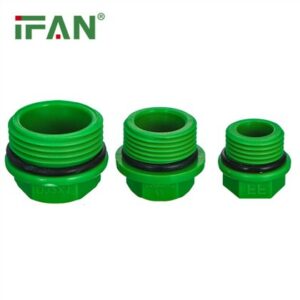
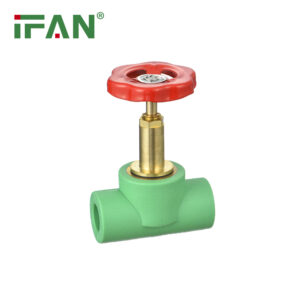
PPR tube fitting elbow essential components in plumbing systems, enabling directional changes in pipelines without compromising flow efficiency.
Description
Introduction
PPR tube fitting elbow essential components in plumbing systems, enabling directional changes in pipelines without compromising flow efficiency. Known for their heat resistance, durability, and leak-proof joints, PPR elbows outperform traditional metal and PVC fittings by eliminating corrosion risks and reducing maintenance costs. This guide explores the types, installation techniques, advantages, and applications of PPR tube fitting elbows, empowering you to optimize your plumbing projects.
What Is a PPR Tube Fitting Elbow?
A PPR tube fitting elbow is a curved connector made from polypropylene random copolymer, designed to redirect water flow by 90° or 45° in PPR piping systems. It features socketed ends for heat fusion with PPR pipes, creating a homogeneous joint that withstands high pressure and temperature.Key Features:
Heat Fusion Compatibility: Forms seamless bonds with PPR pipes via socket or electrofusion welding.
High-Temperature Resistance: Operates continuously at 95°C (203°F) and tolerates short-term exposure to 110°C (230°F).
Chemical Resistance: Unaffected by acids, alkalis, and chlorine, ensuring safe potable water transport.
Smooth Interior: Reduces friction and prevents sediment buildup.
Common Applications:
Residential hot/cold water distribution.
Underfloor heating systems.
Industrial chemical transport.
HVAC and compressed air networks.
Types of PPR Tube Fitting Elbows
1. 90° Elbow
Purpose: Creates sharp right-angle turns in pipelines.
Design:
Two socketed ends for direct fusion with PPR pipes.
Available in sizes from 20mm to 110mm.
Advantages:
Ideal for compact spaces (e.g., behind walls or under sinks).
Minimizes pressure loss in vertical-to-horizontal transitions.
2. 45° Elbow
Purpose: Provides gradual directional changes to reduce turbulence.
Design:
Smoother curve than 90° elbows.
Reduces water hammer risks in high-flow systems.
Advantages:
Lowers energy consumption in pumps.
Preferred for long-distance pipelines.
3. Long-Radius (LR) Elbow
Purpose: Offers gentle bends for low-pressure systems.
Design:
Curve radius is 1.5x the pipe diameter.
Reduces friction by 20% compared to standard elbows.
Advantages:
Extends lifespan of pipes and pumps.
Suitable for agricultural irrigation.
4. Threaded Elbow
Purpose: Combines PPR pipes with threaded metal fittings (e.g., valves, taps).
Design:
One socketed end for PPR pipe fusion.
External threads on the other end for screwing into female metal connectors.
Advantages:
Enables integration with non-PPR components.
Ideal for retrofit projects.
5. Electrofusion Elbow
Purpose: Quick installation in tight spaces or field repairs.
Design:
Embedded heating coils for precise fusion.
Requires an electrofusion machine.
How It Works:
Clean the pipe and elbow surfaces.
Wrap electrofusion tape around the pipe.
Connect the machine and apply 40V AC for 1–3 minutes.
Let the joint cool for 30 minutes.
Advantages:
No heavy machinery needed.
Perfect for emergency repairs.
Advantages of PPR Tube Fitting Elbows
1. Leak-Proof Joints
Heat fusion creates a single, homogeneous piece, eliminating gaps where contaminants could enter.
2. Corrosion Resistance
Unlike metal elbows, PPR does not rust or degrade when exposed to chemicals, ensuring long-term reliability.
3. Cost-Effectiveness
40% cheaper than copper elbows and 60% lighter than steel, reducing material and labor costs.
4. Eco-Friendly
100% recyclable and produced with 30% less energy than metal alternatives.
5. Low Maintenance
Resistant to scaling and biofilm formation, minimizing the need for cleaning or replacement.
How to Install a PPR Tube Fitting Elbow
Step-by-Step Guide for Socket Fusion
Cut Pipes Squarely: Use a pipe cutter for clean edges.
Mark Insertion Depth: Use the elbow’s depth gauge to avoid over-insertion.
Heat Surfaces: Place the elbow and pipe ends in a socket fusion machine at 260°C for 5–10 seconds.
Join Under Pressure: Quickly insert the pipe into the elbow and hold for 10–15 seconds.
Cool Naturally: Avoid disturbing the joint for 2 minutes.
Step-by-Step Guide for Electrofusion
Clean Surfaces: Remove dirt and moisture with alcohol wipes.
Position Elbow: Align the electrofusion elbow onto the pipe.
Apply Current: Connect the machine and run for 1–3 minutes.
Cool: Let the joint solidify for 30 minutes before testing.
Common Mistakes to Avoid
Overheating: Burning the PPR weakens the joint.
Undercooling: Moving the elbow too soon causes leaks.
Dirty Surfaces: Dust prevents proper fusion.
Applications of PPR Tube Fitting Elbows
Residential Plumbing: Redirecting water flow in kitchens, bathrooms, and laundry rooms.
Commercial Buildings: Managing pipeline layouts in hotels, hospitals, and schools.
Industrial Systems: Transporting chemicals or compressed air in factories.
Agriculture: Routing irrigation pipes around obstacles.
IFAN factory started in 1993. And IFAN has workshop 120000 square meter with 610 staff. IFAN can design and produce all plumbing pipe and fitting include PPR,PVC,CPVC PPSU HDPE PEXA PEXB PERT pipe and fitting ,brass fitting, brass ball valve ,heating system , gas system , sanitary faucets and hose, In the past 30 Years, IFAN has never forgotten his mission-To protect health and safety. And IFAN factory use best materials to produce high quality pipe and fittings with automatic production line and high tech quality control machines. The most important,IFAN can guarantee that all pipes and fittings manufactured by IFAN are qualified. More information pls feel free contact us Whatsapp.



 PPR
PPR