Introduction
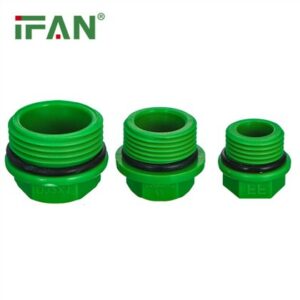
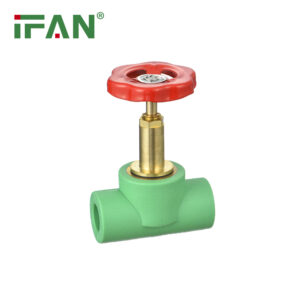
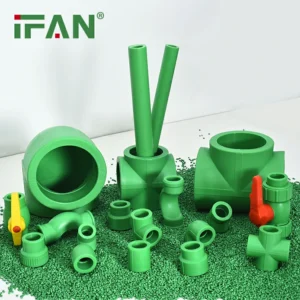
PPR tube fittings have emerged as a game-changer in the plumbing industry. Known for their durability, chemical resistance, and ease of installation, these fittings are increasingly replacing traditional materials like copper and galvanized steel. This article delves into the key features, benefits, applications, and installation techniques of PPR tube fittings, ensuring you understand why they are the preferred choice for modern plumbing systems.
Understanding PPR Tube Fittings
PPR tube fittings are crafted from a thermoplastic polymer known for its exceptional thermal stability and flexibility. Unlike rigid materials, PPR can withstand high temperatures without warping or cracking. This makes it ideal for both hot and cold water distribution systems. The material’s non-corrosive nature ensures a longer lifespan, reducing maintenance costs significantly.
Key Features of PPR Fittings
- Thermal Resistance: PPR can handle temperatures up to 95°C (203°F) without deformation, making it suitable for central heating systems.
- Chemical Inertness: It resists scaling, corrosion, and chemical degradation, ensuring water purity.
- Lightweight and Flexible: Easier to transport and install compared to metal fittings.
- Sound Insulation: Reduces water hammer noise, enhancing user comfort.
Applications of PPR Fittings
PPR tube fittings are widely used in residential, commercial, and industrial settings. In homes, they are commonly found in kitchen sinks, bathrooms, and radiator connections. Commercial buildings rely on PPR for centralized hot water systems, while industries use them for chemical transport and process piping. Their versatility makes them a one-stop solution for diverse plumbing needs.
Installation Process of PPR Fittings
Installing PPR fittings is straightforward, requiring minimal tools and expertise. The process involves three main steps:
- Cutting and Deburring: Use a pipe cutter to achieve a clean, square edge. Remove burrs to prevent leaks.
- Heating and Joining: Employ a PPR welding machine to heat the pipe ends and fitting sockets. Once softened, insert the pipe into the fitting and hold until the joint cools.
- Pressure Testing: After installation, conduct a pressure test to ensure leak-free operation.
Benefits of Using PPR Fittings
- Cost-Effectiveness: Lower material and labor costs compared to metal alternatives.
- Eco-Friendly: PPR is recyclable and emits fewer toxins during production.
- Longevity: With proper installation, PPR systems can last over 50 years.
- Low Maintenance: Resistance to scaling and corrosion minimizes cleaning and repair needs.
Comparing PPR with Traditional Materials
When contrasted with copper or PVC, PPR fittings offer distinct advantages. Copper, while durable, is prone to corrosion in acidic water and requires soldering skills. PVC, though inexpensive, lacks the thermal stability of PPR and may degrade under UV exposure. PPR strikes a balance between performance, cost, and ease of use.
Common Misconceptions About PPR Fittings
Some believe PPR is too brittle for high-pressure systems. However, modern PPR grades can withstand pressures up to 25 bar (362 psi), making them suitable for most applications. Another myth is that PPR fittings are difficult to repair. In reality, they can be easily disconnected using specialized tools, allowing for quick modifications.
Innovations in PPR Technology
Recent advancements have enhanced PPR’s capabilities. Fiber-reinforced PPR offers increased strength, while UV-resistant coatings protect outdoor installations. Manufacturers now provide color-coded fittings for easy identification of hot and cold water lines, improving installation efficiency.
Maintenance Tips for PPR Systems
To ensure optimal performance:
- Avoid exposing PPR pipes to direct sunlight for extended periods.
- Use approved solvents for cleaning to prevent material degradation.
- Schedule annual inspections to check for leaks or pressure drops.
Future Outlook of PPR Fittings
The global PPR market is projected to grow significantly in the coming years. Rising demand for sustainable building materials and stringent environmental regulations are driving this trend. Innovations like self-insulating PPR pipes and antimicrobial coatings further position PPR as a future-proof plumbing solution.
Conclusion
PPR tube fittings represent a paradigm shift in plumbing technology. Their superior thermal resistance, chemical inertness, and ease of installation make them the go-to choice for modern construction projects. By understanding their features, benefits, and proper installation techniques, professionals and DIY enthusiasts can harness the full potential of PPR fittings, ensuring reliable and long-lasting plumbing systems.
IFAN factory started in 1993. And IFAN has workshop 120000 square meter with 610 staff. IFAN can design and produce all plumbing pipe and fitting include PPR,PVC,CPVC PPSU HDPE PEXA PEXB PERT pipe and fitting ,brass fitting, brass ball valve ,heating system , gas system , sanitary faucets and hose, In the past 30 Years, IFAN has never forgotten his mission-To protect health and safety. And IFAN factory use best materials to produce high quality pipe and fittings with automatic production line and high tech quality control machines. The most important,IFAN can guarantee that all pipes and fittings manufactured by IFAN are qualified. More information pls feel free contact us Whatsapp.
Related products