PVC Pipe Fitting Tee: Types, Uses, and Installation Guide
Description
Introduction
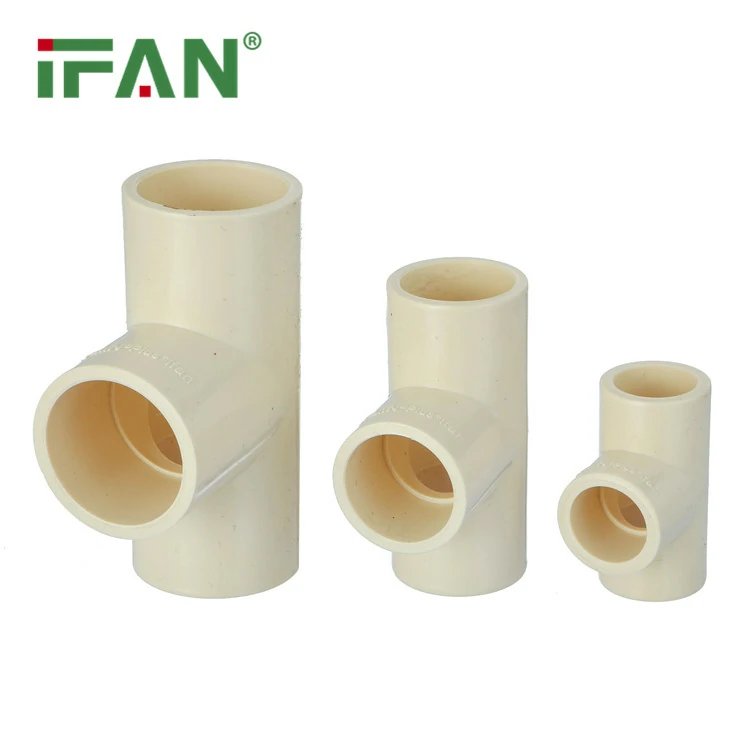
A PVC pipe fitting tee is a versatile plumbing component shaped like the letter “T,” designed to split or combine fluid flow in PVC piping systems. Whether you’re extending a residential water line, installing a sprinkler system, or constructing industrial drainage, tees provide a cost-effective, leak-resistant junction for pipes of the same or different diameters. This guide explores the types, benefits, installation methods, and maintenance tips for PVC tees, helping you achieve efficient, durable pipe connections for any project.
What Is a PVC Pipe Fitting Tee?
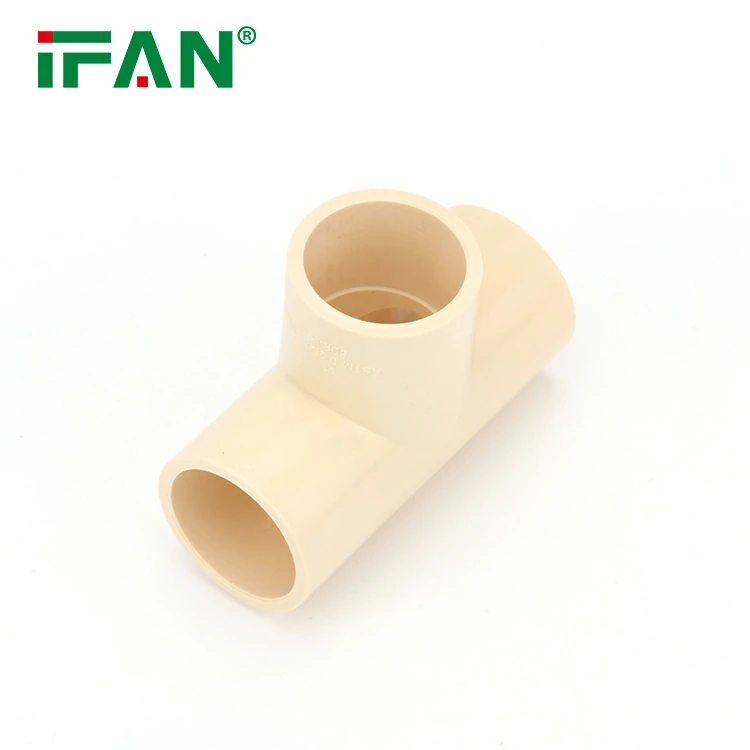
A PVC tee is a three-port fitting with one inlet (the “run”) and two outlets (the “branch”) at 90-degree angles. It allows you to divert flow to a new direction (e.g., adding a sink to an existing water line) or merge two lines into one (e.g., combining drainage from two sinks). Tees are manufactured in standard sizes (e.g., ½-inch to 24-inch diameters) and configurations, including slip-fit (solvent-weld), threaded, and reducing tees, to suit diverse applications.
Key Features of PVC Pipe Fitting Tees
Leak-Proof Connections
When installed with solvent cement, tees form a monolithic bond with pipes, eliminating gaps where leaks can occur.
Chemical Resistance
PVC tees resist corrosion, acids, and salts, making them ideal for sewer systems, chemical transport, and agricultural irrigation.
Cost Efficiency
PVC tees cost 30–50% less than metal or PEX alternatives, reducing material expenses for large projects.
Easy Installation
No welding or threading required—just a hacksaw, primer, and cement for solvent-weld tees.
Durability
Withstands pressures up to 450 PSI and temperatures up to 140°F (60°C) in standard PVC (higher for CPVC variants).
Lightweight Design
Easy to transport and handle, minimizing labor time during plumbing repairs or pipeline installations.
Types of PVC Pipe Fitting Tees
Standard Slip-Fit Tee (Solvent-Weld)
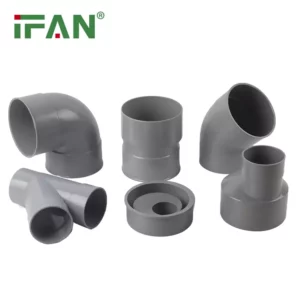
The most common type, requiring PVC primer and cement to chemically fuse the tee with pipes. Used in potable water lines, drainage systems, and pool plumbing.
Threaded Tee (FNPT or MNPT)
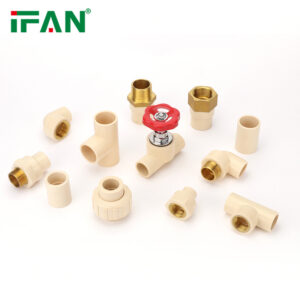
Features female or male threads on one or all ports for connecting to threaded pipes, valves, or fixtures. Ideal for quick repairs or retrofitting existing systems.
Reducing Tee
Joins pipes of different diameters, such as merging a 2-inch main line with a 1-inch branch. Available in concentric (centered branch) or eccentric (offset branch) designs.
Street Tee
Combines a 90-degree elbow and tee into one fitting, with one outlet at a 90-degree angle and the other inline with the run. Used in tight spaces where a separate elbow isn’t practical.
Sanitary Tee
Features a curved, smooth interior to prevent clogs in drain-waste-vent (DWV) systems. Required by code for vertical-to-horizontal drain connections under sinks and showers.
Double Tee (Cross Tee)
Has four ports (like a “+” sign) for complex piping layouts, such as multi-line irrigation systems or industrial process piping.
Primary Applications
Residential Plumbing
Add sinks, toilets, or washing machines to existing water lines. Sanitary tees ensure proper drainage slope in DWV systems.
Irrigation Systems
Distribute water to multiple zones in lawns, gardens, or farms. Reducing tees adjust flow rates to different sprinkler heads.
Sewer and Drainage
Merge floor drains, downspouts, or sump pump lines into a single main drain. Sanitary tees prevent sewer gas backups.
Pool and Spa Plumbing
Connect skimmers, returns, and chemical feeders in chlorinated water environments without corrosion.
Industrial Piping
Transport chemicals, acids, or wastewater in factories, labs, or processing plants using corrosion-resistant CPVC tees.
Advantages Over Alternative Fittings
Space Efficiency: Tees occupy less space than multiple elbows or couplings in complex layouts.
Flow Control: Reducing tees balance pressure and flow rates across branches.
Code Compliance: Sanitary tees meet plumbing codes for DWV systems, ensuring safety and reliability.
Versatility: Works with standard Schedule 40/80 PVC pipes and CPVC for hot-water applications.
Installation Guide: Step-by-Step Process
For Solvent-Weld Tees
Cut Pipes Cleanly
Use a PVC cutter or hacksaw to make square, burr-free cuts. Sand edges lightly if needed.
Dry-Fit the Tee
Assemble the tee and pipes without cement to check alignment. Mark insertion depths with a marker or tape.
Apply Primer and Cement
Clean all surfaces with PVC primer (purple liquid). Apply a thick layer of solvent cement to the tee ports and pipe ends.
Join the Components
Insert pipes into the tee ports at a slight angle, then twist 1/4 turn to spread the cement evenly.
Hold and Cure
Press joints firmly for 30 seconds, then let them cure undisturbed for 24 hours before pressurizing.
For Threaded Tees
Wrap Threads with Teflon Tape
Apply 3–4 wraps of PTFE tape clockwise on male threads to create a leak-proof seal.
Hand-Tighten First
Thread the fitting onto pipes or fixtures by hand to avoid cross-threading.
Use Wrenches for Final Tightening
Grip the tee with one wrench and the pipe with another, turning 1–2 full rotations past hand-tight.
Maintenance and Safety Tips
Avoid Over-Tightening Threaded Tees: This can crack the PVC or strip threads.
Support Heavy Branches: Use hangers or straps for horizontal branches carrying significant weight (e.g., full irrigation lines).
Protect from UV Light: Paint above-ground tees with UV-resistant coating to prevent brittleness.
Inspect for Leaks: Periodically check joints with tissue paper or a pressure gauge, especially in high-use systems.
Dispose of Waste Properly: Recycle old PVC tees at designated facilities to minimize environmental impact.
Conclusion
PVC pipe fitting tees are an essential, versatile component for joining pipes in plumbing, irrigation, and industrial systems. Their leak-proof sealing, chemical resistance, and ease of installation make them superior to metal or threaded alternatives for most applications. By selecting the right type—such as sanitary tees for drains or reducing tees for irrigation—and following proper installation techniques, you can ensure durable, maintenance-free performance for years. Whether you’re upgrading a home drainage system or designing a large-scale agricultural network, PVC tees offer unmatched simplicity and reliability.IFAN factory started in 1993. And IFAN has workshop 120000 square meter with 610 staff. IFAN can design and produce all plumbing pipe and fitting include PPR,PVC,CPVC PPSU HDPE PEXA PEXB PERT pipe and fitting ,brass fitting, brass ball valve ,heating system , gas system , sanitary faucets and hose, In the past 30 Years, IFAN has never forgotten his mission-To protect health and safety. And IFAN factory use best materials to produce high quality pipe and fittings with automatic production line and high tech quality control machines. The most important,IFAN can guarantee that all pipes and fittings manufactured by IFAN are qualified. More information pls feel free contact us Whatsapp.