Introduction
PVC pipe fittings are essential components in modern plumbing, irrigation, and drainage systems. Made from polyvinyl chloride (PVC), these fittings are lightweight, corrosion-resistant, and cost-effective, making them a popular choice for both residential and industrial projects. Whether you’re connecting pipes for a sprinkler system, repairing a sewer line, or installing a pool circulation system, PVC fittings offer versatility, durability, and ease of use. This guide explores the types, applications, installation methods, and maintenance tips for PVC pipe fittings to help you make informed decisions for your next project.

What Are PVC Pipe Fittings?
PVC pipe fittings are connectors used to join, redirect, or terminate PVC pipes. They come in various shapes and sizes, including elbows, tees, couplings, reducers, and caps, to accommodate different piping configurations. Unlike metal fittings, PVC options are non-reactive to chemicals, rust-proof, and UV-resistant (when treated), making them ideal for underground, above-ground, and even submerged applications.
Key Features of PVC Pipe Fittings
- Corrosion Resistance
- PVC does not corrode, rust, or degrade when exposed to water, acids, or salts, ensuring long-term reliability in harsh environments.
- Lightweight and Easy to Handle
- Weighing less than metal fittings, PVC components are simple to transport, cut, and install, reducing labor time and costs.
- Smooth Interior Surface
- The glossy finish minimizes friction, allowing efficient water flow and reducing the risk of clogs in drainage systems.
- Chemical Inertness
- Safe for transporting potable water, chemicals, and wastewater without leaching harmful substances.
- Affordability
- PVC fittings cost 30–50% less than brass, copper, or stainless steel alternatives, making them budget-friendly for large-scale projects.
- DIY-Friendly Installation
- With basic tools like a hacksaw, primer, and solvent cement, even beginners can achieve leak-proof connections without welding or threading.
Types of PVC Pipe Fittings
- PVC Elbows
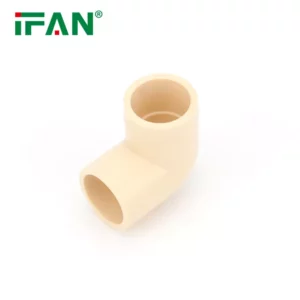
- 90-degree and 45-degree elbows redirect pipe flow around corners. Used in drainage systems, sprinkler lines, and pool plumbing.
- PVC Tees
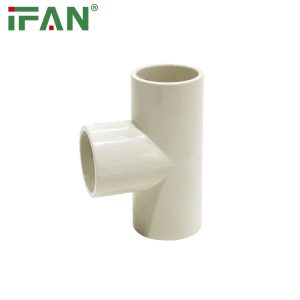
- Standard tees split flow into two directions, while reducing tees connect pipes of different diameters. Common in branch lines for sinks, showers, and irrigation zones.
- PVC Couplings
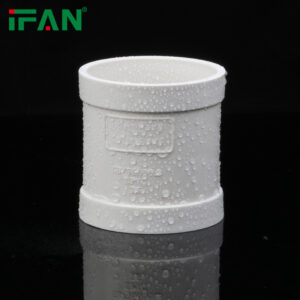
- Straight couplings join two pipes end-to-end, while slip couplings allow repairs without cutting the pipe. Essential for extending pipe runs or fixing leaks.
- PVC Reducers
- Bushings and concentric reducers transition between pipe sizes, such as connecting a 2-inch main line to a 1-inch branch.
- PVC Caps and Plugs
- Caps seal pipe ends permanently, while plugs provide temporary closure for testing or maintenance. Used in shutoff valves, cleanouts, and unused pipe outlets.
- PVC Adapters
- Male and female adapters connect PVC pipes to threaded metal or plastic components, such as faucets, pumps, or valves.
- PVC Cross Fittings
- Split flow into four directions, ideal for complex irrigation systems or industrial piping networks.
Primary Applications
- Residential Plumbing
- Transport potable water, wastewater, and sewage in homes. PVC is approved for cold-water lines (not recommended for hot water above 140°F).
- Irrigation Systems
- Distribute water to lawns, gardens, and agricultural fields via sprinklers, drip lines, and emitters.
- Drainage and Sewer Systems
- Channel rainwater, stormwater, and sewage away from structures using PVC downspouts, underground drains, and septic lines.
- Pool and Spa Plumbing
- Circulate chlorinated water through skimmers, filters, and heaters without corrosion.
- Ventilation Ducts
- Some PVC fittings are rated for low-pressure air ducts in HVAC systems or exhaust vents.
Advantages Over Alternative Materials
- Lower Cost: Cheaper than copper, steel, or PEX for large projects.
- Easier Installation: No soldering, threading, or heavy machinery required.
- Longevity: Lasts 50+ years in underground applications when protected from UV light.
- Safety: Non-toxic and lead-free, meeting NSF/ANSI 61 standards for drinking water.
Installation Guide: Step-by-Step Process
- Measure and Cut Pipes
- Use a tape measure and PVC cutter or hacksaw to make square, deburred cuts. Sand edges to remove burrs.
- Dry-Fit Components
- Assemble fittings without glue to ensure proper alignment and length. Mark pipes with a permanent marker for reference.
- Apply Primer and Solvent Cement
- Clean pipe ends and fittings with PVC primer (purple liquid) to soften the surface.
- Apply a thick layer of solvent cement to both the pipe and fitting socket.
- Join Pipes and Fittings
- Insert the pipe into the fitting at a slight angle, then twist 1/4 turn to distribute cement evenly. Hold for 30 seconds to set.
- Allow Curing Time
- Let the joint cure for 24 hours before pressurizing the system to avoid leaks.
- Test for Leaks
- Fill the system with water and check connections with tissue paper or a pressure gauge.
Maintenance and Safety Tips
- Avoid Over-Tightening: PVC is brittle—excessive force can crack fittings.
- Protect from UV Light: Use paint or UV-resistant PVC for above-ground installations to prevent degradation.
- Use Correct Cement: Ensure solvent cement matches the PVC type (e.g., Schedule 40 vs. 80).
- Support Long Runs: Install hangers or straps every 3–4 feet to prevent sagging.
- Dispose of Waste Properly: Recycle old PVC at designated facilities to minimize environmental impact.
Conclusion
PVC pipe fittings are a reliable, cost-effective solution for connecting pipes in plumbing, irrigation, and drainage systems. Their corrosion resistance, ease of installation, and versatility make them a top choice for homeowners, contractors, and industrial engineers. By selecting the right type (e.g., elbows for corners, tees for branches) and following proper installation techniques—such as dry-fitting, priming, and curing—you can ensure leak-free performance for decades. Whether you’re upgrading a bathroom, installing a sprinkler system, or designing a sewage network, PVC fittings offer unmatched durability and simplicity.
IFAN factory started in 1993. And IFAN has workshop 120000 square meter with 610 staff. IFAN can design and produce all plumbing pipe and fitting include PPR,PVC,CPVC PPSU HDPE PEXA PEXB PERT pipe and fitting ,brass fitting, brass ball valve ,heating system , gas system , sanitary faucets and hose, In the past 30 Years, IFAN has never forgotten his mission-To protect health and safety. And IFAN factory use best materials to produce high quality pipe and fittings with automatic production line and high tech quality control machines. The most important,IFAN can guarantee that all pipes and fittings manufactured by IFAN are qualified. More information pls feel free contact us Whatsapp.
Related products

- CPVC ASTM2846
CPVC Elbow Fittings
- CPVC SCH80
PVC Drain Water Fitting Socket
- PVC
IFAN PVC Glue