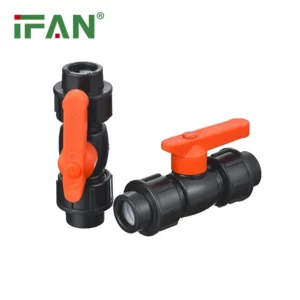
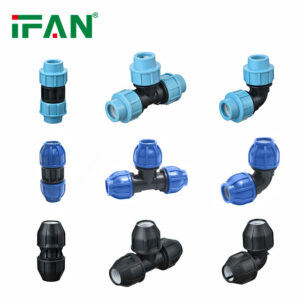
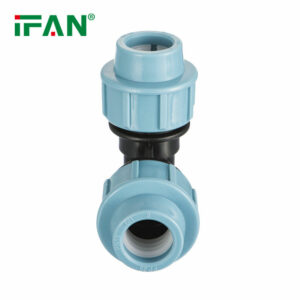
High-Density Polyethylene HDPE pipe fittings have revolutionized modern piping systems across industries, offering a blend of durability, chemical resistance, and flexibility unmatched by traditional materials like steel or concrete. Designed to connect HDPE pipes seamlessly, these fittings ensure leak-proof performance in applications ranging from potable water distribution to industrial chemical transport. Their lightweight nature and ease of installation make them a preferred choice for engineers and contractors worldwide, addressing challenges in infrastructure, environmental sustainability, and cost efficiency.
Key Advantages: Corrosion Resistance and Longevity
HDPE pipe fittings excel in harsh environments due to their inherent resistance to corrosion, acids, alkalis, and salts. Unlike metal fittings, they do not rust or degrade when exposed to moisture or aggressive chemicals, eliminating the need for costly coatings or cathodic protection. This property is critical in sewage systems, mining operations, and marine applications, where traditional materials often fail prematurely. Additionally, HDPE fittings boast a service life of 50–100 years when properly installed, significantly reducing lifecycle costs and maintenance demands.
Flexibility and Impact Resistance: Engineering for Reliability
The flexibility of HDPE pipe fittings allows them to absorb ground movements and thermal expansion without cracking, making them ideal for seismic-prone regions or underground installations. This characteristic also reduces the number of joints required, minimizing potential leak points. For example, in irrigation systems, HDPE fittings withstand impacts from heavy machinery or falling debris, ensuring uninterrupted water flow. Their ability to bend without kinking simplifies installation in tight spaces, such as urban utility tunnels or agricultural fields.
Heat Fusion Technology: The Leak-Proof Solution
A standout feature of HDPE pipe fittings is their compatibility with heat fusion joining methods, such as butt fusion or electrofusion. These techniques create monolithic connections by melting the pipe and fitting ends together, resulting in joints as strong as the pipe itself. This eliminates the risk of leaks common in threaded or glued joints, ensuring system integrity for critical applications like natural gas distribution or hazardous chemical transport. The self-restraining nature of fused joints also reduces the need for thrust blocks, saving time and materials during installation.
Sustainability and Future Trends: Driving Industry Evolution
The HDPE pipe fitting market is embracing sustainability through innovations like recycled HDPE materials and bio-based alternatives. For instance, companies like Ineos AG have developed certified recycled HDPE pipelines for natural gas distribution, reducing carbon footprints while maintaining performance standards. Governments and industries are increasingly prioritizing green infrastructure, further boosting demand for eco-friendly HDPE solutions. Additionally, advancements in material science are enhancing HDPE’s temperature and pressure ratings, expanding its use in high-demand sectors like oil and gas.IFAN factory started in 1993. And IFAN has workshop 120000 square meter with 610 staff. IFAN can design and produce all plumbing pipe and fitting include PPR,PVC,CPVC PPSU HDPE PEXA PEXB PERT pipe and fitting ,brass fitting, brass ball valve ,heating system , gas system , sanitary faucets and hose, In the past 30 Years, IFAN has never forgotten his mission-To protect health and safety. And IFAN factory use best materials to produce high quality pipe and fittings with automatic production line and high tech quality control machines. The most important,IFAN can guarantee that all pipes and fittings manufactured byIFAN are qualified. More information pls feel free contact us Whatsapp.

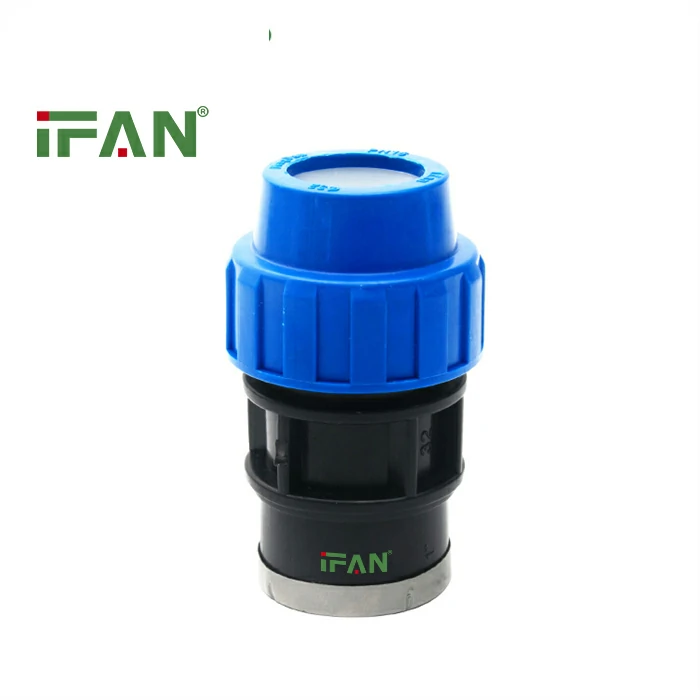


 PP&PE
PP&PE PP Fitting 602