

Introduction
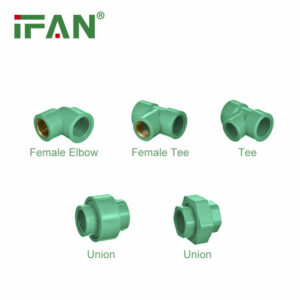
A UPVC pipe fitting female tee is a three-way connector designed to split or combine fluid flow in piping systems while maintaining leak-proof, solvent-welded joints. Unlike male tees, which slide inside pipes, female tees feature three socketed ends that receive pipes, ensuring stronger, more reliable connections in plumbing, irrigation, and chemical processing applications. This guide covers design features, installation best practices, and real-world use cases to help you optimize piping layouts efficiently.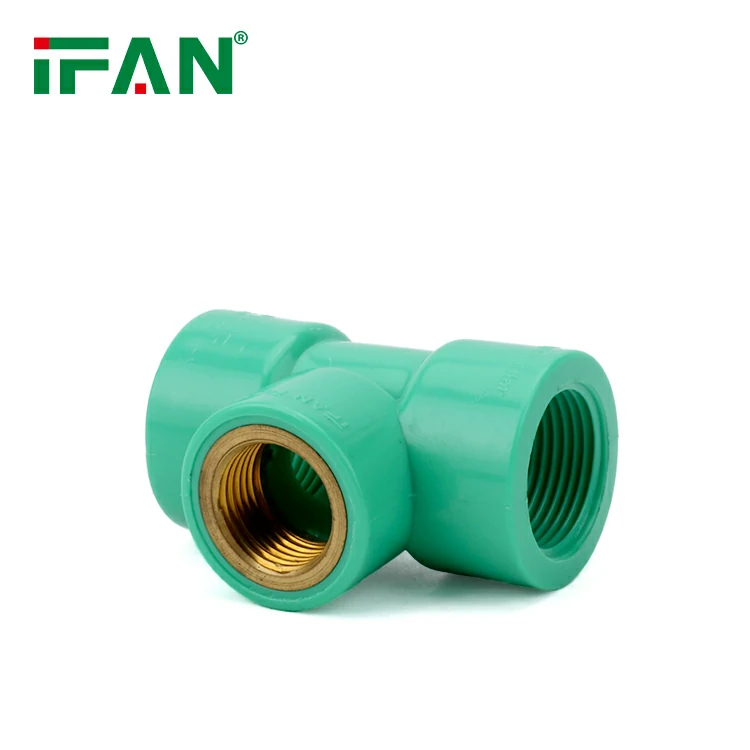
What Is a UPVC Pipe Fitting Female Tee?
A UPVC female tee consists of three main parts:- A straight socketed end (for the main pipe).
- Two perpendicular socketed ends (for branch pipes).
- Material: ASTM D1784, Cell Class 12454-B UPVC (NSF/ANSI 61-certified for drinking water).
- Temperature Range: 14°F to 140°F (-10°C to 60°C).
- Branch Angles: 90° (standard) or custom angles (e.g., 45° for sloped systems).
Why Use a UPVC Pipe Fitting Female Tee?
- Leak-Proof Joints Solvent welding creates a molecular bond between the tee and pipes, eliminating gaps where leaks could occur (unlike threaded fittings).
- Chemical Resistance UPVC’s inert nature resists acids, alkalis, and salts, making female tees suitable for agricultural fertilizers, swimming pool chlorine, and industrial solvents.
- Smooth Flow Distribution The 90° branch design minimizes turbulence compared to sharp bends, ensuring consistent flow rates in irrigation or pumping systems.
- Cost-Effective UPVC female tees cost 30–50% less than stainless steel or brass tees and require no specialized tools for installation.
- UV Stability (With Coating) When painted with UV-resistant coatings, UPVC tees resist degradation from sunlight, extending outdoor lifespan.
Common Applications of UPVC Female Tees
- Residential Plumbing Split water supply lines to sinks, showers, and toilets while maintaining leak-proof connections in walls or floors.
- Swimming Pool Systems Connect main pool lines to skimmers, returns, or chemical feeders at 90° angles for efficient circulation.
- Agricultural Irrigation Distribute water from a main drip line to multiple branch lines feeding different crop rows or zones.
- Chemical Processing Plants Transport hydrochloric acid (HCl) or sodium hydroxide (NaOH) through corrosive-resistant UPVC pipelines with female tees.
- Laboratory Drainage Install under sinks or fume hoods to split wastewater into multiple drains without clogging.
How to Install a UPVC Pipe Fitting Female Tee
Select the Right Tee- Choose ASTM D2467-compliant tees for potable water or ISO 1452-certified for industrial use.
- Verify branch angle (90° or custom) and pressure rating (e.g., 150 PSI for residential plumbing).
- Use a fine-tooth saw or PVC pipe cutter to make square, deburred cuts on all three pipe ends.
- Remove burrs with a reaming tool to ensure smooth insertion into the tee sockets.
- Insert the pipes into the tee sockets without cement to check alignment.
- Ensure full seating (no gaps at the bottom of sockets).
- Clean the pipe ends and tee sockets with UPVC primer (e.g., Oatey Purple) to soften the surface for bonding.
- Use a medium-duty dauber to apply UPVC cement (e.g., Weld-On 724) evenly on both the pipes and sockets.
- Insert the pipes into the tee with a ¼-turn motion to distribute cement.
- Hold each joint for 30 seconds to prevent push-out during curing.
- Allow 2 hours for light pressure and 24 hours for full curing before testing.
- Conduct a 2-hour hydrostatic test at 1.5x operating pressure (e.g., 225 PSI for a 150 PSI system).
- Inspect for leaks with a soap solution or ultrasonic detector.
Maintenance & Troubleshooting
- Preventive Maintenance:
- Inspect tees annually for cracks, discoloration, or UV damage (if uncoated).
- For chemical systems, verify tee material compatibility (e.g., UPVC resists most acids but not strong oxidizers).
- Common Issues:
- Leaking Tee: Reapply primer and cement to re-bond joints (if solvent welding failed initially).
- Brittle Tee: Replace if exposed to temperatures below 14°F (UPVC becomes brittle in freezing conditions).
Related products
 CPVC ASTM2846
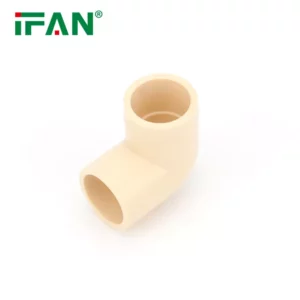
CPVC Elbow Fittings
- CPVC ASTM2846
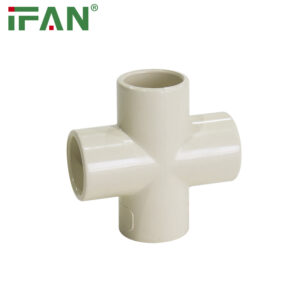
CPVC Cross Tee Fitting
- CPVC ASTM2846
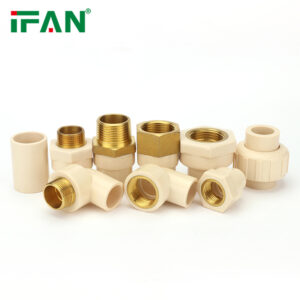
IFAN CPVC Fittings