
Introduction
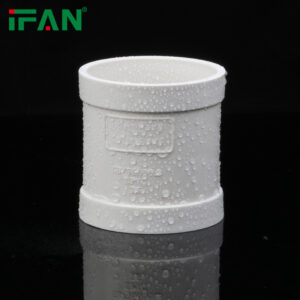
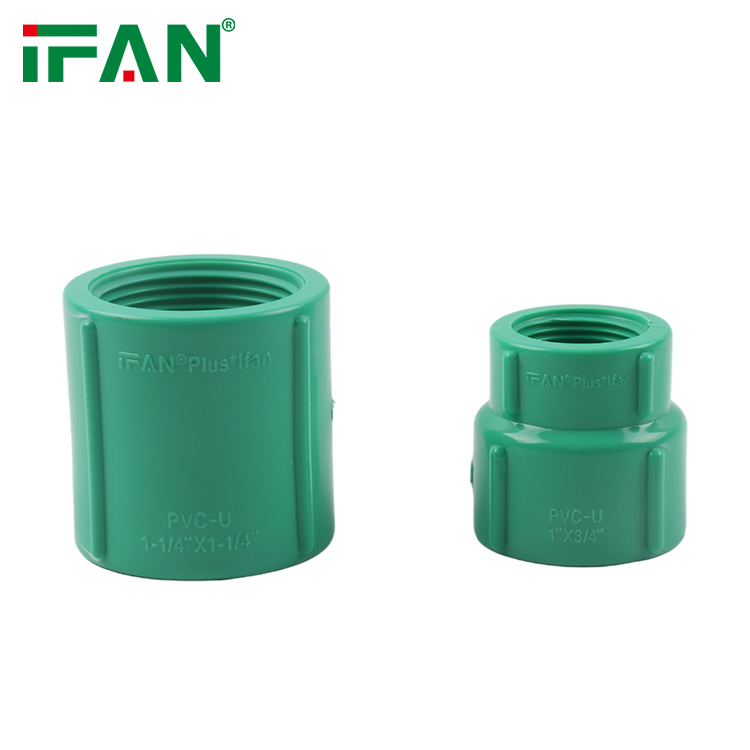
A UPVC pipe fitting socket (also called a coupling or sleeve) is a critical component in plumbing, irrigation, and industrial piping systems, designed to join two UPVC pipes end-to-end with a leak-proof, solvent-welded connection. Made from unplasticized polyvinyl chloride (UPVC), these sockets resist corrosion, chemicals, and UV degradation, making them ideal for water distribution, chemical processing, and wastewater management. This guide explores socket types, installation best practices, and applications to help you ensure secure, long-lasting pipe joints.What Is a UPVC Pipe Fitting Socket?
A UPVC pipe fitting socket is a cylindrical connector that slides over two UPVC pipes and bonds them permanently using solvent cement. Unlike threaded or compression fittings, UPVC sockets create a homogeneous joint by chemically fusing the pipe and fitting, eliminating leak paths caused by gaps or loose threads.Key Features:- Material: Unplasticized PVC (UPVC) (ASTM D1784, Cell Class 12454-B) for rigidity and chemical stability.
- Pressure Rating: Up to 450 PSI at 73°F (23°C) (ASTM D2467), suitable for medium- to high-pressure systems.
- Temperature Range: 14°F to 140°F (-10°C to 60°C) (compatible with cold/hot water and mild industrial fluids).
- Certifications: NSF/ANSI 61 (potable water), ISO 1452 (industrial piping), ASTM D2467 (plumbing).
Why Use UPVC Pipe Fitting Sockets?
- Leak-Proof Performance Solvent-welded joints are 100% impermeable, unlike threaded fittings that can loosen over time or rubber gaskets that degrade.
- Chemical Resistance UPVC sockets withstand acids (e.g., sulfuric acid), alkalis (e.g., sodium hydroxide), and salts, making them ideal for chemical processing plants and wastewater treatment.
- Low Maintenance Once installed, UPVC solvent-welded joints require no retightening or replacement, reducing long-term costs.
- Cost Efficiency UPVC sockets cost 30–50% less than stainless steel or brass couplings and weigh 70% less, simplifying handling and installation.
- Smooth Flow Path The glossy interior surface minimizes friction loss, improving flow efficiency in irrigation systems and fire sprinkler networks.
Types of UPVC Pipe Fitting Sockets
- Standard Socket (Plain Coupling)
- Design: Straight cylinder with uniform internal diameter for joining two pipes of the same size.
- Use Case: Residential plumbing, swimming pool piping, and agricultural irrigation.
- Reducing Socket (Reducer Coupling)
- Design: Tapered interior to connect pipes of different diameters (e.g., 2″ to 1.5″).
- Use Case: Industrial systems where pipe size changes are needed (e.g., pump discharge lines).
- Threaded Socket (Female NPT)
- Design: Female NPT threads on one end for connecting UPVC pipes to metal valves, gauges, or pumps.
- Use Case: Hybrid systems (e.g., UPVC pipes with brass ball valves).
- Flange Socket
- Design: Bolted flange on one end for attaching to tanks, equipment, or other piping.
- Use Case: Chemical storage tanks requiring disassembly for maintenance.
- Repair Socket (Snap Coupling)
- Design: Split design with stainless steel clamps for quick repairs on leaking pipes without cutting.
- Use Case: **Emergency fixes in underground water mains or industrial pipelines.
Applications of UPVC Pipe Fitting Sockets
- Potable Water Systems NSF/ANSI 61-certified UPVC sockets are safe for drinking water and resist chlorine disinfection in municipal water networks.
- Chemical Processing Plants Transport hydrochloric acid (HCl), sodium hydroxide (NaOH), and fertilizers without corrosion or leakage.
- Swimming Pools & Spas Withstand chlorinated water and UV exposure (when painted) without degrading or leaching chemicals.
- Irrigation & Agriculture Distribute fertilizers, pesticides, and brackish water in farm piping networks with zero rust risk.
- Electroplating & Metal Finishing Resist electrolytic corrosion when handling acidic or alkaline plating solutions (e.g., nickel, chrome, or zinc baths).
Installation Guide for UPVC Pipe Fitting Sockets
Select the Right Socket- Choose ASTM D2467-compliant sockets for plumbing or ISO 1452-certified for industrial use.
- Verify pressure and temperature ratings match system requirements.
- Use a fine-tooth saw or PVC pipe cutter to make square, deburred cuts on both pipe ends.
- Remove burrs with a reaming tool to ensure a smooth fit.
- Slide the UPVC socket onto one pipe and the other pipe into the opposite end to check alignment (no gaps or misalignment).
- Clean the pipe ends and socket interior with UPVC primer (e.g., Oatey Purple) to soften the surface for bonding.
- Use a medium-duty dauber to apply UPVC cement (e.g., Weld-On 724) evenly on all pipe and socket surfaces.
- Insert both pipes into the socket simultaneously with a ¼-turn motion to distribute cement evenly.
- Hold the joint for 30 seconds to prevent push-out during curing.
- Allow 2 hours for light pressure and 24 hours for full curing before pressure testing.
- Avoid disturbing the joints during curing to prevent weak bonds.
- Conduct a 2-hour hydrostatic test at 1.5x operating pressure (e.g., 225 PSI for a 150 PSI system).
- Inspect for leaks with a soap solution or ultrasonic leak detector.
Maintenance & Troubleshooting
- Preventive Maintenance:
- Inspect sockets annually for cracks or discoloration (signs of UV degradation or chemical attack).
- For chemical systems, verify socket material compatibility (e.g., UPVC resists most acids but not strong oxidizers like nitric acid).
- Common Issues:
- Leaking Joint: Recut the pipes and reinstall the socket (solvent-welded joints cannot be repaired).
- Brittle Socket: Replace if exposed to temperatures below 14°F (UPVC becomes brittle in freezing conditions).
Related products
 CPVC SCH80
PVC Drain Water Fitting Socket
- CPVC ASTM2846
IFAN CPVC Fittings