Introduction
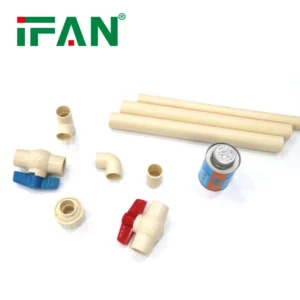
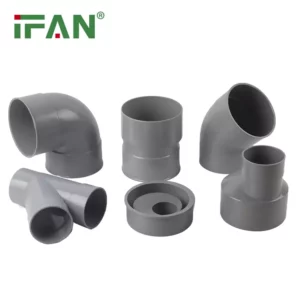
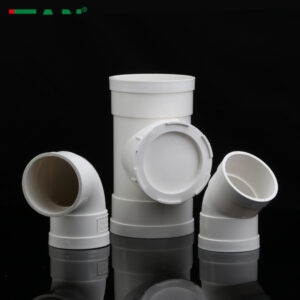
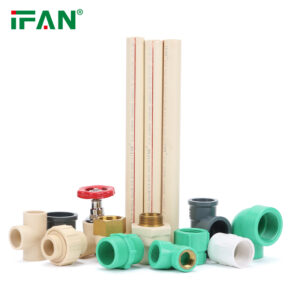
UPVC pipe fittings are essential components in plumbing, irrigation, and industrial piping systems, designed to join, redirect, or control the flow of liquids using unplasticized polyvinyl chloride (UPVC). Unlike traditional metal or PVC fittings, UPVC variants offer superior corrosion resistance, chemical stability, and cost efficiency, making them ideal for potable water, wastewater, and aggressive chemical applications. This guide explores common UPVC fitting types, their benefits, installation best practices, and real-world use cases to help you optimize your piping infrastructure.
What Are UPVC Pipe Fittings?
UPVC pipe fittings are molded connectors made from unplasticized PVC (UPVC), a rigid, thermoplastic material engineered to resist degradation from chemicals, UV light, and temperature fluctuations. These fittings attach to UPVC pipes via solvent welding, threading, or compression mechanisms, creating leak-proof joints suitable for low- to medium-pressure systems (up to 450 PSI at 73°F).Key Properties:- Material: ASTM D1784, Cell Class 12454-B (high-purity UPVC for potable water).
- Temperature Range: 14°F to 140°F (-10°C to 60°C) (not suitable for steam or hot oil).
- Chemical Resistance: Withstands acids (e.g., sulfuric acid), alkalis (e.g., sodium hydroxide), and salts (avoid strong oxidizers like nitric acid).
- Certifications: NSF/ANSI 61 (drinking water), ISO 1452 (industrial piping), ASTM D2467 (plumbing).
Why Choose UPVC Pipe Fittings Over Alternatives?
- Corrosion Resistance UPVC fittings do not rust or pit, unlike steel or copper fittings, making them ideal for coastal areas, wastewater treatment, and chemical plants.
- Chemical Stability Resist corrosion from chlorinated water, fertilizers, and industrial solvents, ensuring long-term reliability in agricultural and manufacturing settings.
- Low Maintenance Once installed, UPVC fittings require no painting, anti-corrosion coatings, or periodic tightening, reducing lifetime costs by 30–50% compared to metal alternatives.
- Lightweight & Easy to Install UPVC fittings weigh 70% less than steel and can be solvent-welded in minutes, cutting labor time by up to 50% versus threaded or flanged connections.
- Smooth Interior Surface The glossy finish minimizes friction loss, improving flow efficiency in irrigation systems and fire sprinkler networks.
Common Types of UPVC Pipe Fittings
- Elbows (90° & 45°)
- Design: Curved connectors for changing flow direction by 90° or 45°.
- Use Case: Drainage systems, swimming pool plumbing, and HVAC ductwork.
- Tees (Equal & Reducing)
- Design: Three-way connectors for splitting flow into two directions (equal tees) or reducing pipe size (reducing tees).
- Use Case: Water distribution networks, chemical processing lines, and sprinkler systems.
- Couplings (Plain & Reducing)
- Design: Straight or tapered sleeves for joining two pipes of the same or different diameters.
- Use Case: Residential plumbing, agricultural irrigation, and pump discharge lines.
- Adapters (Male & Female Threaded)
- Design: Threaded ends (NPT or BSP) for connecting UPVC pipes to metal valves, gauges, or pumps.
- Use Case: Hybrid systems (e.g., UPVC pipes with brass ball valves).
- Caps & Plugs
- Design: Blind ends for closing off pipe openings during maintenance or system shutdowns.
- Use Case: Temporary sealing of test lines or unused branches in industrial piping.
- Unions
- Design: Three-piece connectors with a removable nut for easy disassembly without cutting pipes.
- Use Case: Modular piping systems requiring frequent reconfiguration (e.g., lab equipment).
Applications of UPVC Pipe Fittings
- Potable Water Systems NSF/ANSI 61-certified UPVC fittings are safe for drinking water and resist chlorine disinfection in municipal water networks.
- Wastewater Treatment Withstand corrosive sewage and hydrogen sulfide (H₂S) without degrading or leaking, ensuring reliable drainage in treatment plants.
- Agricultural Irrigation Distribute fertilizers, pesticides, and brackish water in farm piping networks with zero rust risk and minimal pressure drop.
- Chemical Processing Plants Transport hydrochloric acid (HCl), sodium hydroxide (NaOH), and industrial solvents without chemical attack or leakage.
- Swimming Pools & Spas Resist chlorinated water and UV exposure (when painted) without degrading or leaching harmful chemicals.
Installation Guide for UPVC Pipe Fittings
Select the Right Fitting- Choose ASTM D2467-compliant fittings for plumbing or ISO 1452-certified for industrial use.
- Verify pressure and temperature ratings match system requirements.
- Use a fine-tooth saw or PVC pipe cutter to make square, deburred cuts on both pipe ends.
- Remove burrs with a reaming tool to ensure a smooth fit.
- Slide the UPVC fitting onto the pipe to check alignment (no gaps or misalignment).
- Clean the pipe end and fitting socket with UPVC primer (e.g., Oatey Purple) to soften the surface for bonding.
- Use a medium-duty dauber to apply UPVC cement (e.g., Weld-On 724) evenly on all pipe and fitting surfaces.
- Insert the pipe into the fitting with a ¼-turn motion to distribute cement evenly.
- Hold the joint for 30 seconds to prevent push-out during curing.
- Allow 2 hours for light pressure and 24 hours for full curing before pressure testing.
- Avoid disturbing the joints during curing to prevent weak bonds.
- Conduct a 2-hour hydrostatic test at 1.5x operating pressure (e.g., 225 PSI for a 150 PSI system).
- Inspect for leaks with a soap solution or ultrasonic leak detector.
Maintenance & Troubleshooting
- Preventive Maintenance:
- Inspect fittings annually for cracks or discoloration (signs of UV degradation or chemical attack).
- For chemical systems, verify fitting material compatibility (e.g., UPVC resists most acids but not strong oxidizers).
- Common Issues:
- Leaking Joint: Recut the pipe and reinstall the fitting (solvent-welded joints cannot be repaired).
- Brittle Fitting: Replace if exposed to temperatures below 14°F (UPVC becomes brittle in freezing conditions).
Related products
 PVC
PVCIFAN PVC Glue